Your Smartphone's Safe Cleaning Guide: Approved Methods and Common Pitfalls.

Cleaning Your Phone Without Damaging Its Coating
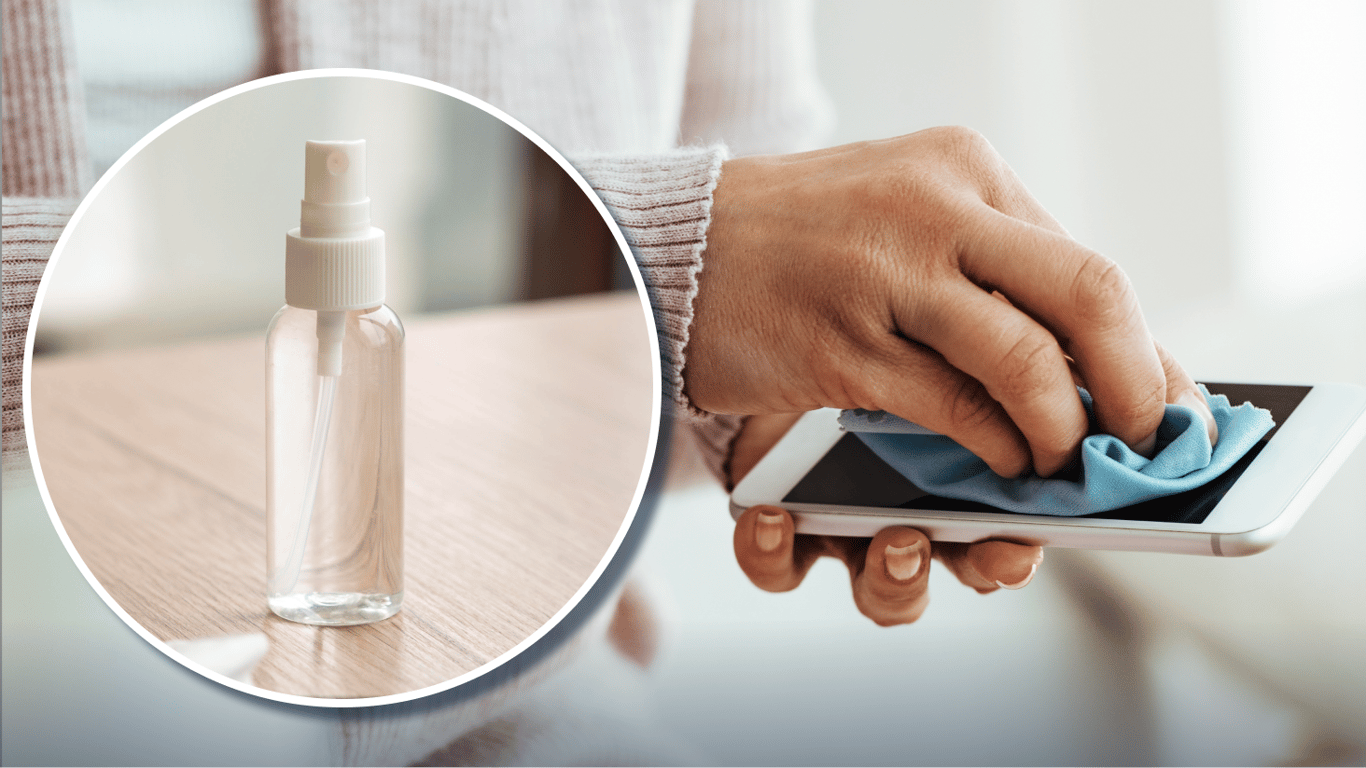
According to Novyny.live: Given how often we handle our phones, keeping them clean is a key part of personal hygiene. To properly disinfect your smartphone and its case while preserving the device, follow these guidelines. Major manufacturers like Google and Samsung approve the use of 70% isopropyl alcohol for disinfection. While this is effective against germs, specific application rules are crucial to avoid damaging the phone's protective coatings.
Recommended Cleaning Procedures
Avoid using paper towels on the screen, as they can cause fine scratches. Instead, opt for a soft microfiber cloth for a safer and more effective clean. Ensure the cloth itself is clean, as any grit trapped in the fabric can create new scratches on the surface.
- For cases made of plastic, silicone, or rubber, washing with warm soapy water is a simple and effective way to remove grime.
- If a clear silicone case has yellowed or discolored, a melamine sponge (like a Magic Eraser) can help restore its original appearance without harming the material.
Following these steps will help keep your smartphone and its accessories clean and in good condition. This is especially important as our devices are constant companions that can harbor bacteria.
In today's world, where smartphones are central to daily life, maintaining their cleanliness is about more than just looks—it's a matter of health. Using approved cleaning agents, such as isopropyl alcohol, helps minimize the spread of viruses and bacteria. Adhering to simple cleaning protocols can also extend your device's lifespan and preserve its functionality, which is vital for users who rely heavily on their gadgets.
Read also
- Google to Build America's Largest Solar Farm: 2.5 GW Facility to Power Data Centers
- Turn Your Old Phone Into a Smart Display: Inside the New ScreenWall Web Platform
- Speed Record Set by Bombardier Global 8000: Los Angeles to Farnborough in Just 8 Hours 46 Minutes
- A New Augmented Reality Platform Lets You Read and Build 3D Comics
- How Artificial Intelligence Is Unlocking Billions in Real Estate Value
- Ukraine’s Air Defense Gets a Boost: New 'Hot Dog' Drone Takes Down Over 300 Targets