Low-Quality Gas in Networks: How Ukrainians Can Get Compensation for the Resource.

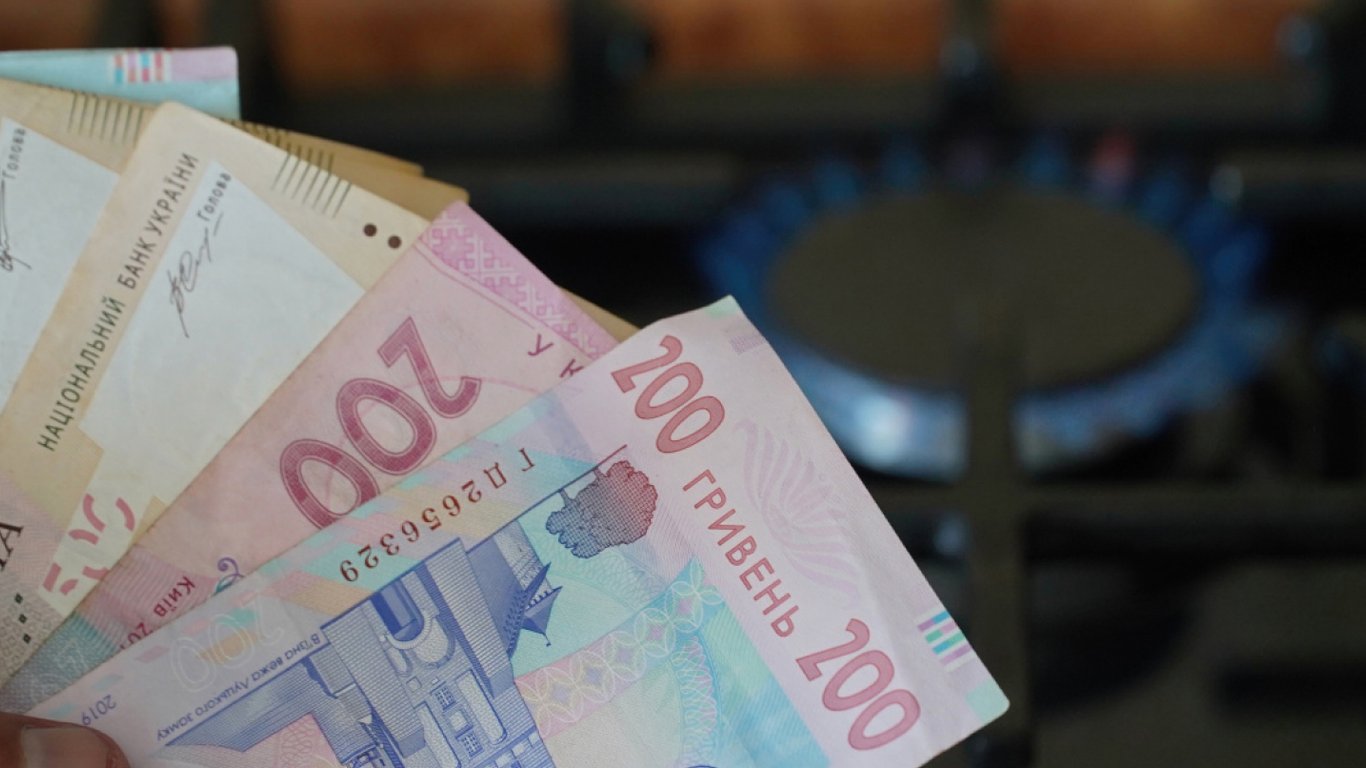
Ukrainians must receive natural gas according to all quality standards. If a check confirms that the gas does not meet the standards, the gas distribution network operator is obliged to recalculate the volumes of the consumed resource and pay compensation.
This is reported by the specialized portal 'Gazprada'.
What to Know About Gas Quality and Pressure
According to experts, the key indicator of blue fuel quality is the heat of combustion (calorific value). The higher the corresponding indicator, the lower the volume of the resource needed for consumption.
Gas is considered high-quality if the physico-chemical indicators meet the established norms, which, in addition to heat generation, control the oxygen content, impurities, and the intensity of the smell.
The indicators of blue fuel must fall under the parameters of the existing interstate GOST 5542-87 'Natural combustible gases for industrial and municipal household purposes.'
The standard heat of combustion should be no less than 7,600 kcal/m³. The calorific value of the fuel supplied to the GRM operator's networks averages 8,200 kcal/m³.
Gas quality is controlled at the entrance to the distribution networks from the gas transmission system, as well as at all stages: from extraction to delivery to consumers.
Checking Gas Pressure or Other Indicators
Citizens who doubt the quality of the provided resource can submit a request to the GRM operator. According to the regulations, they must send a representative within two to five days at a mutually agreed time to check the pressure and gas quality.
In particular, to establish the quality of the resource, the operator is empowered to involve both their own and independent specialists from chemical laboratories.
However, Ukrainians can initiate an analysis of the physico-chemical indicators of gas by another chemical laboratory of their choice at their own expense.
If the inspection results confirm deviations from the standard, the GRM operator will be obliged to recalculate the gas volumes and compensate the consumer for the difference. However, if the inspection shows excellent quality of the resource, the consumer will have to compensate the GRM operator for the costs incurred due to the relevant analysis.
'If disputes regarding gas quality cannot be resolved through negotiations, differences are referred to a specialized authority or resolved in court,' experts report.
Clients should also understand that a burner may burn 'incorrectly' yellow or red for a number of reasons that do not relate to GRM operators. Namely:
- in case of contamination of the gas stove (to clean the burner nozzle, you need to call number 104);
- if there is not enough oxygen in the room (you need to regularly ventilate the room).
However, if the stove is cleaned, the room is ventilated, and the flame in the burner still does not burn blue, there may be problems with the pressure in the gas system.
Earlier, we wrote about the calibration of gas meters, which is a mandatory procedure. Resource accounting devices can only be used if they have been verified, otherwise unpleasant consequences await.
We also explained where the money from gas delivery payments goes. In particular, funds are directed to the purchase of materials and equipment for network repairs, as well as salaries for employees.
Information on natural gas quality standards, the inspection procedure, and possible ways to resolve situations arising due to gas quality has been provided. Clients can be assured that if the quality of the resource does not meet the established standards, they are entitled to compensation from the gas distribution network operator.Read also
- Fuel Crisis Drives Russia to Boost Belarusian Gasoline Imports Twentyfold
- Ukraine’s Drones Cripple Russia’s Largest Oil Refinery, Sparking Fuel Shortages and New Export Bans
- Sweden Pledges €124 Million to Ukraine’s Energy Sector: Here’s Where the Money Will Go
- Kazakhstan Seals Its Border with 59 Checkpoints Amid Russia’s Fuel Crisis
- Poland Emerges as Ukraine’s Top Trade Partner After Zelenskyy and Nawrocki Meet Following Controversy
- Ukraine Launches Free AI-Powered Job Platform: What This Means for Job Seekers