Government insulation program left 20,000 homes with defects: what to do.

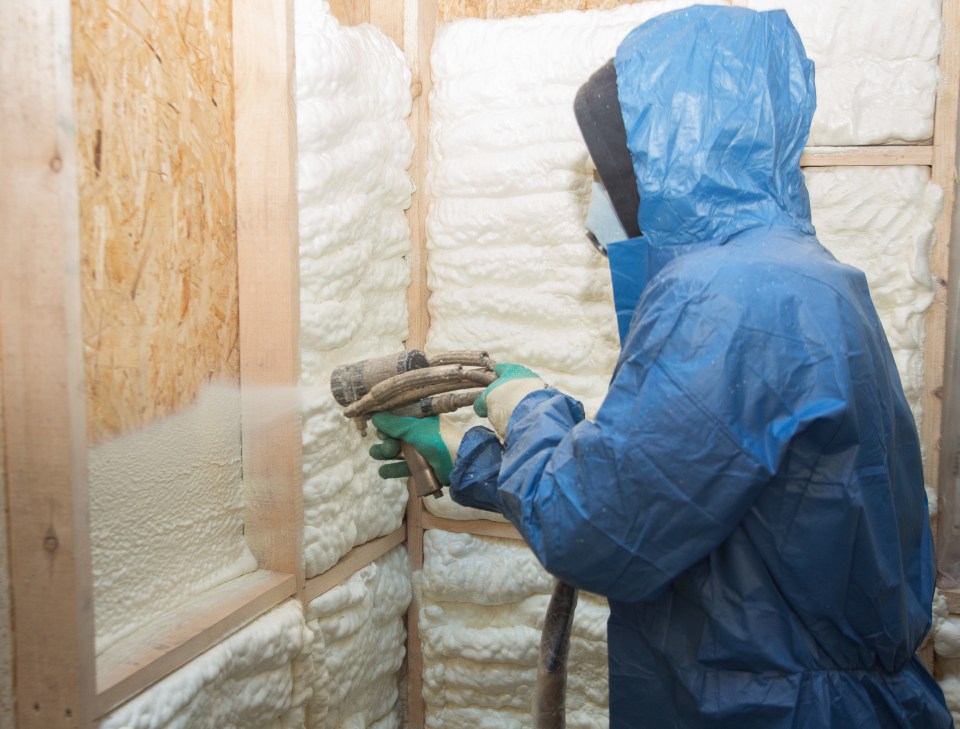
According to The Sun: More than 20,000 homes have serious defects such as damp, mold, and fire safety risks as part of the government program.
The report by the regulatory body states that 98% of residential premises where external insulation was installed under the 'Energy Company' (ECO) program have been affected.
Installations carried out under the supervision of the Ministry of Energy require significant repairs, the regulatory report indicates GettyAccording to the National Audit Office (NAO) report, the installations carried out under the supervision of the Ministry of Energy require considerable repairs.
The program was created to support low-income and vulnerable households that cannot afford to improve energy efficiency, the NAO states.
However, many of them now may face a crisis due to poor quality installations, inadequate monitoring, and weak government oversight.
In response to the NAO report, activists fighting energy poverty noted that the system 'missed unscrupulous contractors'.
The Department for Energy Security and Net Zero (DESNZ) along with the regulator Ofgem suspended the most disreputable contractors and promised to rectify the situation with affected properties.
This issue affects homes in England, Wales, and Scotland.
The NAO called on ministers to take full responsibility for the ECO program and explain when and how the issues will be resolved.
Funding and Support
Launched in 2013, the program aimed to help families improve energy efficiency.
It involved large energy suppliers who were expected to support low-income and vulnerable households in heating their homes.
The system included measures to reduce energy consumption, such as insulation or upgrading heating systems.
The program, funded by the energy companies themselves, cost over £6 billion from 2013 to 2022, according to data from the European Federation of National Organizations Working with the Homeless.
The NAO report also states that 9-13 thousand homes with internal insulation – 29% of those who received it – have serious issues that require repair.
According to the report, 6% of external insulation and 2% of internal insulation pose immediate health and safety risks.
This includes poor ventilation, which can lead to carbon monoxide poisoning, as well as electrical problems that could cause fires.
Fraudsters managed to steal millions from the program, according to the NAO report.
Last November, Ofgem estimated that businesses engaged in upgrades fraudulently submitted claims for installations in 5,600 to 16,500 homes.
They could claim amounts from £56 million to £165 million from energy suppliers.
The NAO states that these defects could be the result of contracting agreements with incompetent companies and individuals.
Businesses may compromise, and standards were not clearly defined.
The Department of Energy has implemented a new consumer protection system for the program in 2021 by appointing TrustMark - a system designed to ensure quality.
However, TrustMark did not alert the ministry to serious quality issues with installations until October 2024.
Actions and Response
Gareth Davies, head of the NAO, stated that the ECO program is 'vital' for tackling energy poverty.
“But obvious flaws in the design and implementation of ECO, as well as in the consumer protection system, have led to poorly executed installations and suspected fraud,” he said.
Simon Francis, coordinator of the End Fuel Poverty Coalition, emphasized:
“The NAO report reveals a system that missed unscrupulous contractors, leaving thousands of victims living in poverty and undermining public trust in the efforts to address the crisis of cold and damp homes faced by many households.”
Energy Consumers Minister Martin McCluskey noted:
“Today’s report demonstrates unacceptable systemic flaws in the installation of wall insulation in these schemes that have directly affected tens of thousands of families.”
He emphasized that the government is taking “decisive action” to protect households and rectify all defects at no cost to consumers.
“We are fixing a broken system left by the previous government by implementing comprehensive reforms to make this process clear and straightforward, and in the rare cases where something goes wrong, there will be clear lines of accountability so consumers can quickly find solutions,” added Mr. McCluskey.
What to Do If You Are Affected
If you have been affected by poor installations, you may have received a letter from Ofgem, the energy regulator.
If you haven't, it is best to contact Ofgem directly.
Your insulation work will be checked by qualified professionals.
This may include reviewing installation documents or visiting your property.
If any issues are found, fixing them will not cost you anything – the company that carried out the installation will be obligated to correct it.
If you have questions regarding wall insulation installed in your property under ECO4 or GBIS, or questions about the reimbursement process, you can contact Ofgem at: [email protected].
Freephone 0808 169 444 (lines open from 9:30 to 16:30, Monday to Friday, excluding public holidays).
How else you can insulate your home
There are many other safe ways to insulate your home.
You can add a layer of mineral wool or sheep’s wool in the attic or roof.
According to the Energy Saving Trust, insulating a semi-detached house with 270 mm insulation in the attic costs approximately £900.
However, you could save around £230 a year, allowing you to recoup your expenses in about three years.
Avoid installing spray insulation as it can actually damage your home and complicate its sale.
You can also seal gaps in windows and doors yourself to prevent heat loss, saving about £40 a year.
A roll of insulating tape costs about £5, or you can hire a professional for around £250.
Inefficient boilers can also negatively affect your energy bills.
You can address this by buying an insulating jacket for just £18, which could help save up to £40 a year.
Read also
- New U.S. Tariffs Hit 60 Nations: Here Are the Rates for the EU and Russia
- Russia’s Oil and Gas Revenue Set to Surge by 60%—Here’s What’s Driving the Jump
- IMF Disburses $690 Million Second Tranche to Ukraine: Where the Funds Are Going
- Russia’s Budget Deficit Could Hit 7 Trillion Rubles—What Are the Default Risks?
- Expert Sets Critical Threshold: 60% of Russia's Oil Refining Capacity Must Be Destroyed
- Russia Faces Imminent Fuel Crisis: Why Refinery Recovery Is Nearly Impossible, Expert Warns