Ukrainian Drone Strikes Cripple 40% of Russia's Oil Export Capacity—Here’s What It Means.

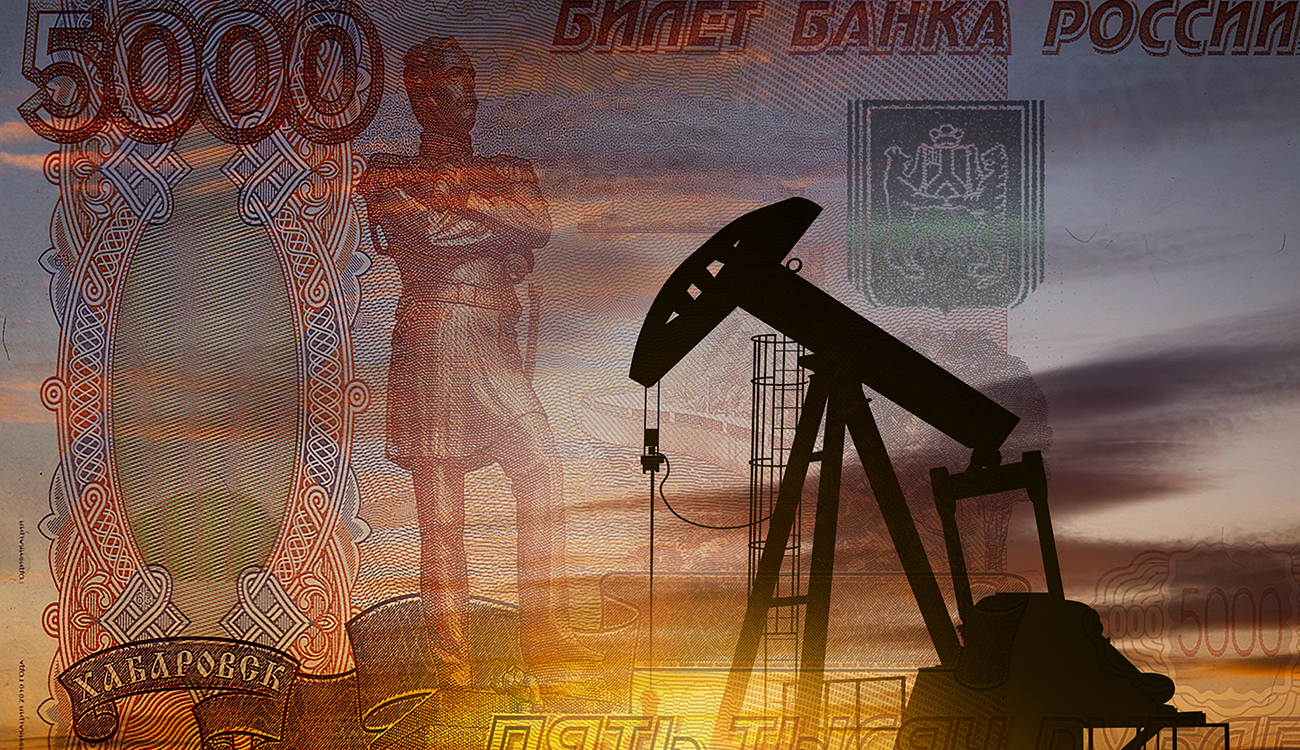
Ukrainian Drone Attacks on Russian Infrastructure
According to UATV: Drone strikes launched by Ukraine have taken out 40% of Russia’s oil export capacity, marking the most significant disruption to the country’s petroleum supply in modern history. The attacks, carried out on the night of March 26, targeted critical facilities, including the Kirishi oil refinery in Leningrad Oblast. This event represents a severe blow to a key sector of the Russian economy.
In retaliation, Russia struck the Druzhba pipeline, further undermining its own export capabilities. As a result, global oil prices surged above $100 per barrel, reflecting the situation’s major impact on international markets. Meanwhile, Russian authorities have stepped up tanker seizures, signaling tighter controls amid growing instability in the energy sector.
Challenges for the Russian Economy
These developments highlight the serious challenges Russia faces amid rising tensions and shifting global energy dynamics. The loss of a substantial share of export capacity could have long-lasting repercussions for the country’s economy, as oil revenues form a primary income source. Higher oil prices may also ripple through the global energy market, creating new difficulties for importing nations that rely on Russian energy resources.
Read also
- Ex-Official from Kyivzelenbud Suspected of Embezzling 1.1 Million UAH in Park Renovation Project
- Ukrainian Soldiers to Receive June Basic Pay in July – Combat Bonuses Will Follow Later
- New Salary System Set for Ukraine in 2027: What Workers Can Expect
- Fuel Sales Decentralization Proposed by Expert After Russian Strikes on Gas Stations
- Neighboring Nations Increasingly Reject the Russian Ruble: Fees and Restrictions Mount
- Fuel Costs in Ukraine: How Much to Drive 100 km on Diesel, Gas, and Electric Power