Ukrainian Strikes Drive Russia’s Oil Refining to Its Lowest Level in 18 Years.

Russia’s Oil Refining Situation in July 2023
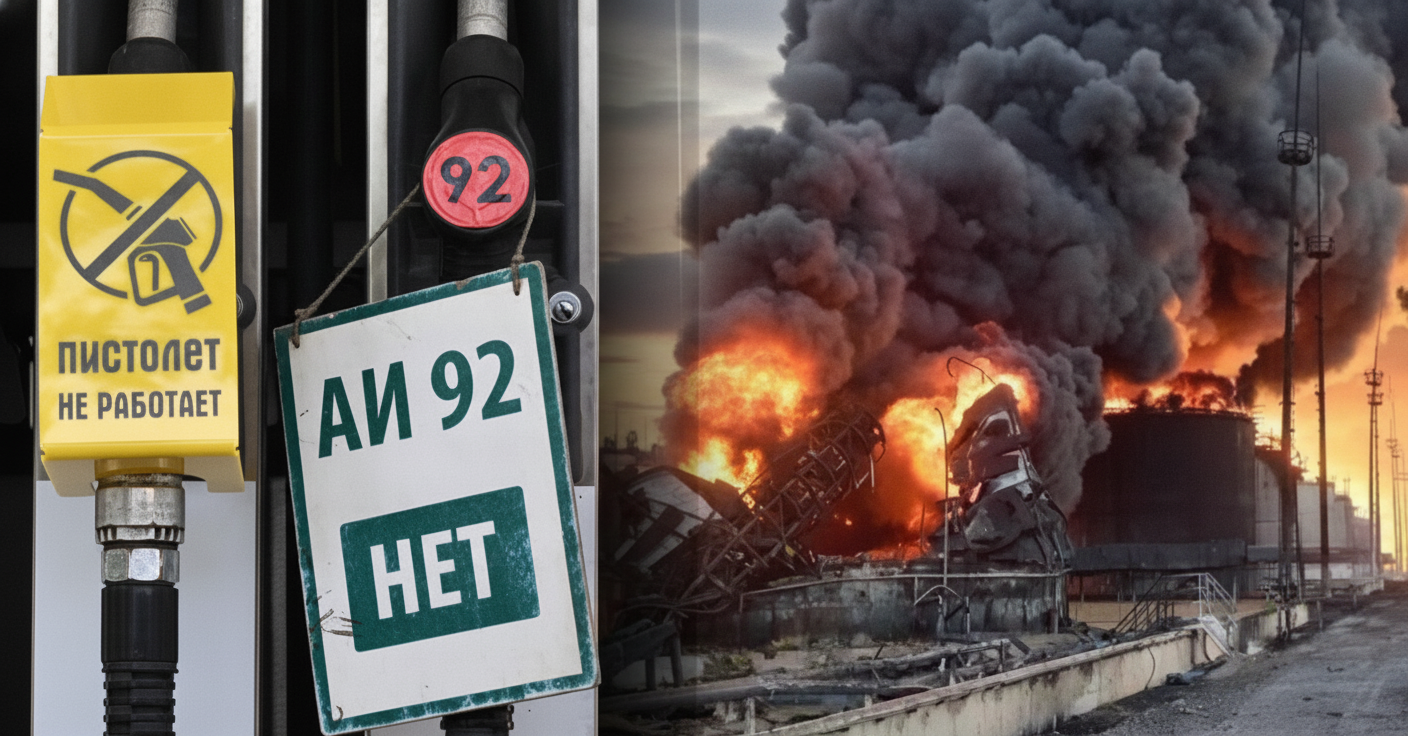
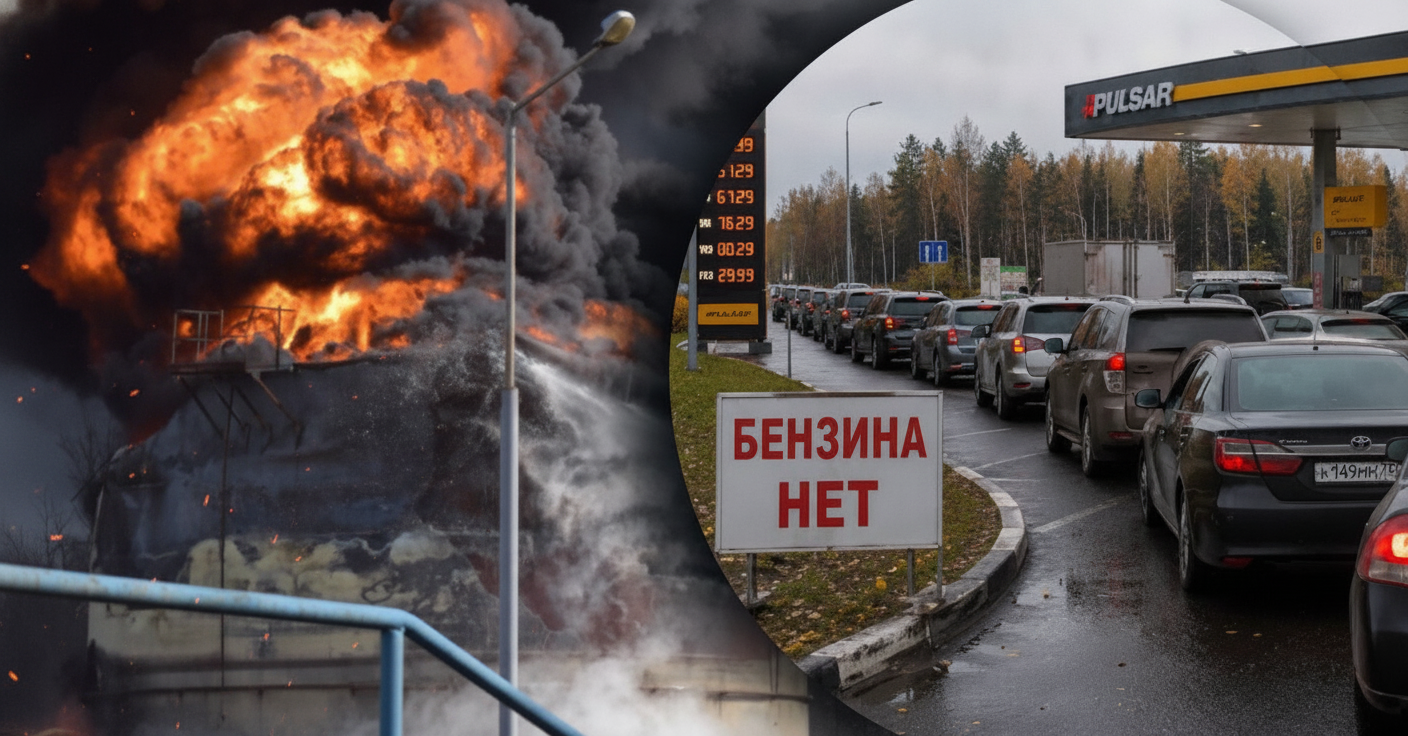
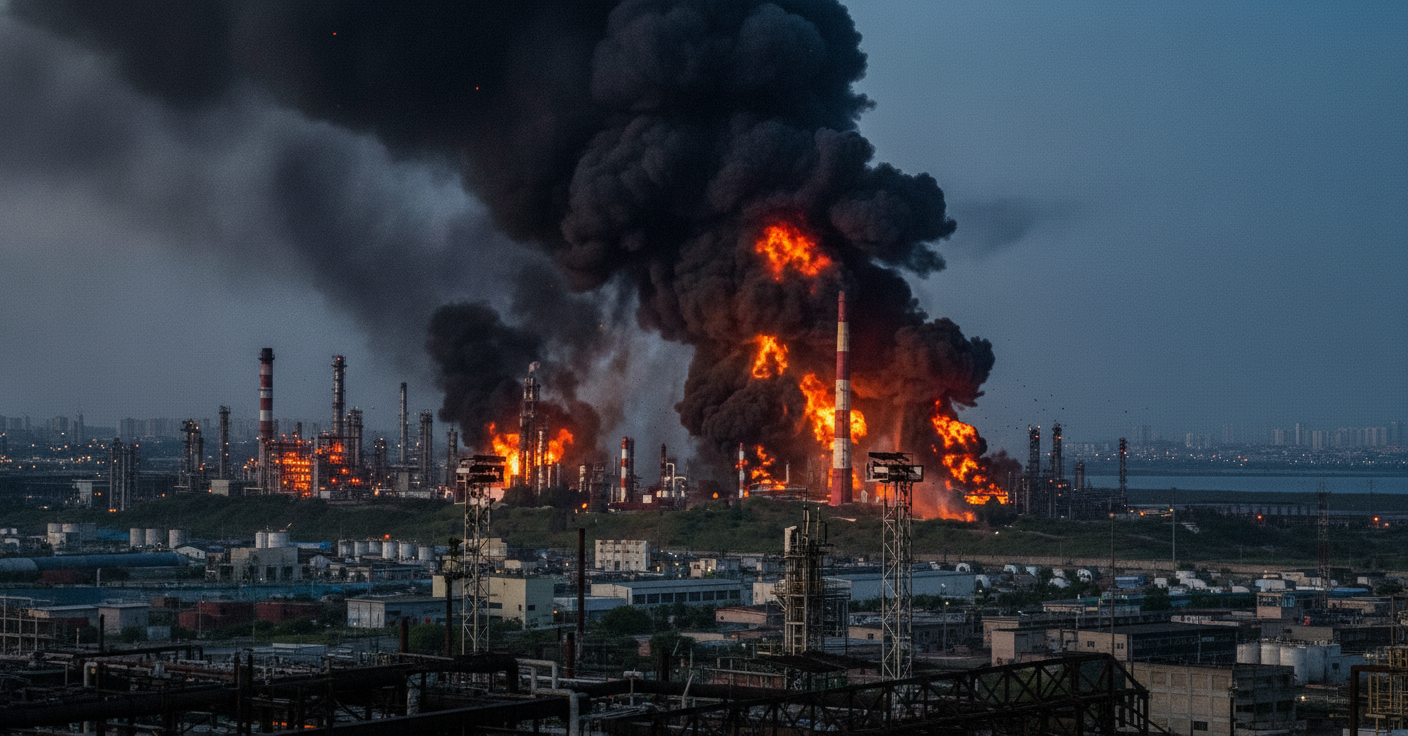
According to Espreso.tv: In July 2023, Russia’s average daily oil refining volume fell to 3.91 million barrels—the lowest figure recorded since March 2005. This represents a drop of more than 1.4 million barrels per day compared to the 2022 average. The decline is directly linked to a series of major attacks by Ukraine’s armed forces on Russian fuel production infrastructure. Over the last 100 days, approximately 50 such strikes have occurred, causing severe damage to the country’s refining capacity.
Refinery Damage and Fuel Shortages
At least 24 out of Russia’s 34 major refineries have been hit. In June 2023, Russian plants processed just 3.8 million barrels per day, reflecting a steady downward trend. Fuel shortages have been evident across Russia since late May 2023, prompting emergency measures to meet domestic demand.
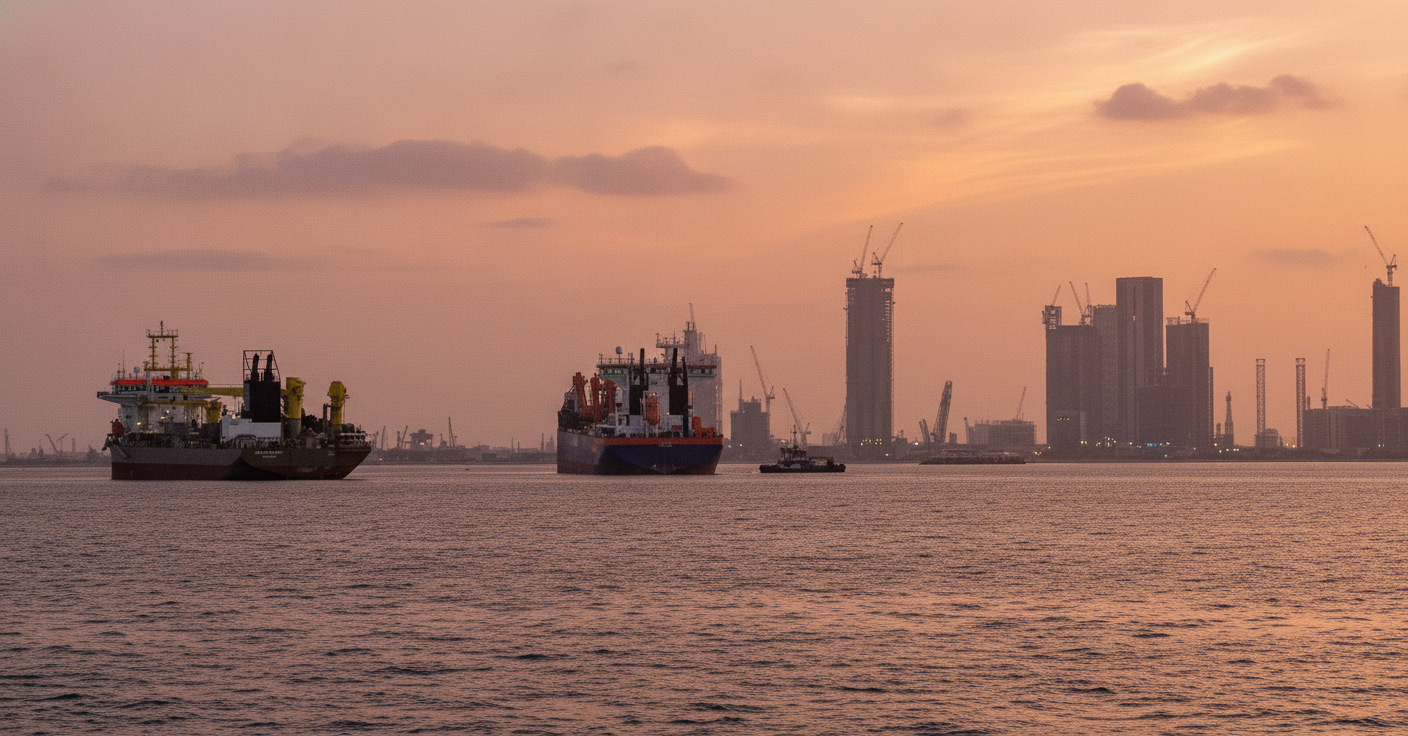
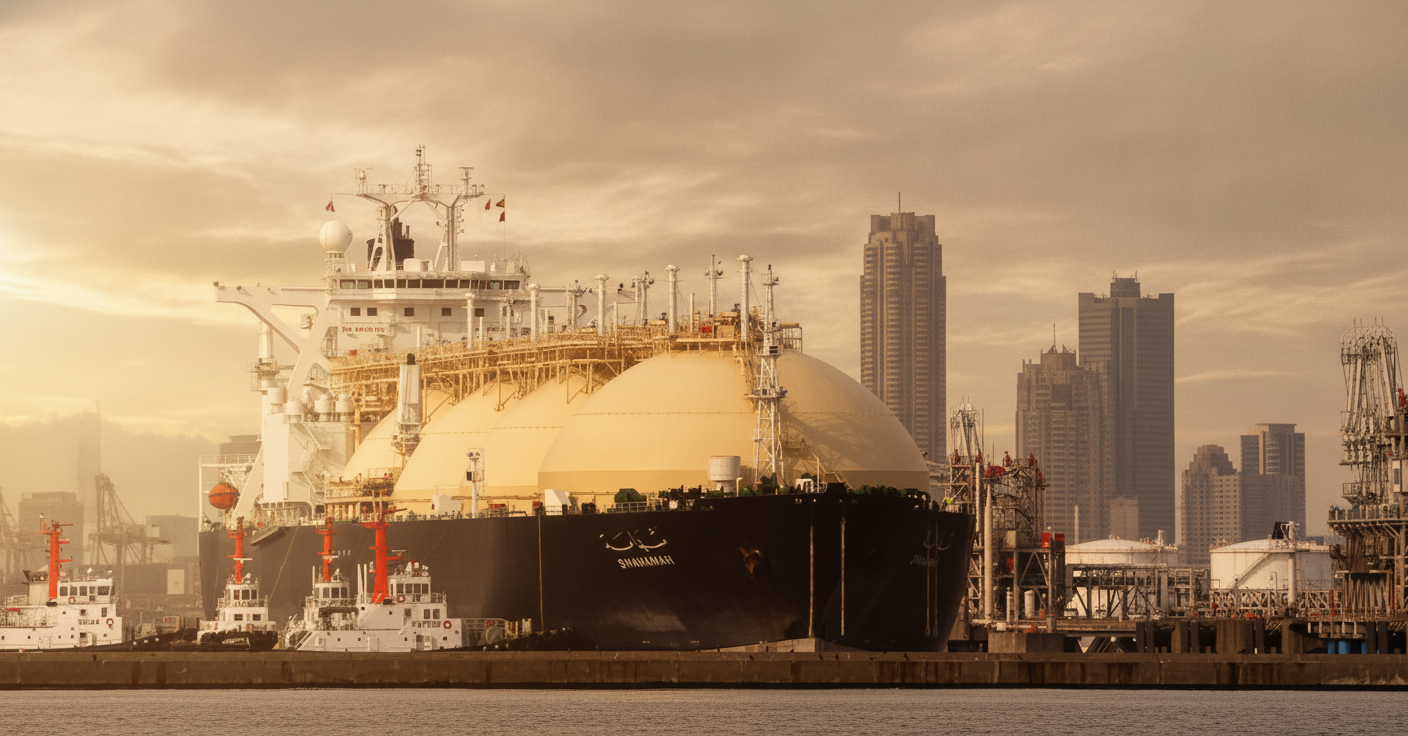
- On June 17, 2023, Russia announced plans to import gasoline by sea from Asian countries.
- By July 1, 2023, Russia had started receiving seaborne gasoline deliveries from India.
These actions underscore a severe crisis in Russia’s fuel production sector, which continues to worsen amid ongoing military operations.
The sharp reduction in oil refining volumes highlights not only internal economic strain but also the impact of external factors—particularly the war in Ukraine. This situation is likely to deepen the country’s fuel deficit and push Russian authorities to explore new supply routes, potentially affecting global fuel prices and Russia’s broader economic stability. It also illustrates how armed conflict can produce far-reaching consequences for a nation’s industrial capacity and energy security.
Read also
- Fuel Sales in Crimea to Proceed Without Schedules as Power Outages Hit Day 12
- Russia Adopts Euro-3 Fuel Standards Amid Refinery Strikes and Growing Gasoline Shortages
- Oil Prices Could Hit $200 Per Barrel, Analyst Warns: What It Means for Ukraine
- Europe Paid Up to €6 Billion for Russian Gas — Who Bought the Most?
- Ukrainians Are Buying More Imported Clothing and Leather as Footwear Exports Decline
- Over 1.2 Million Hectares of Land Sold in Ukraine in Five Years: A Look at Price Trends