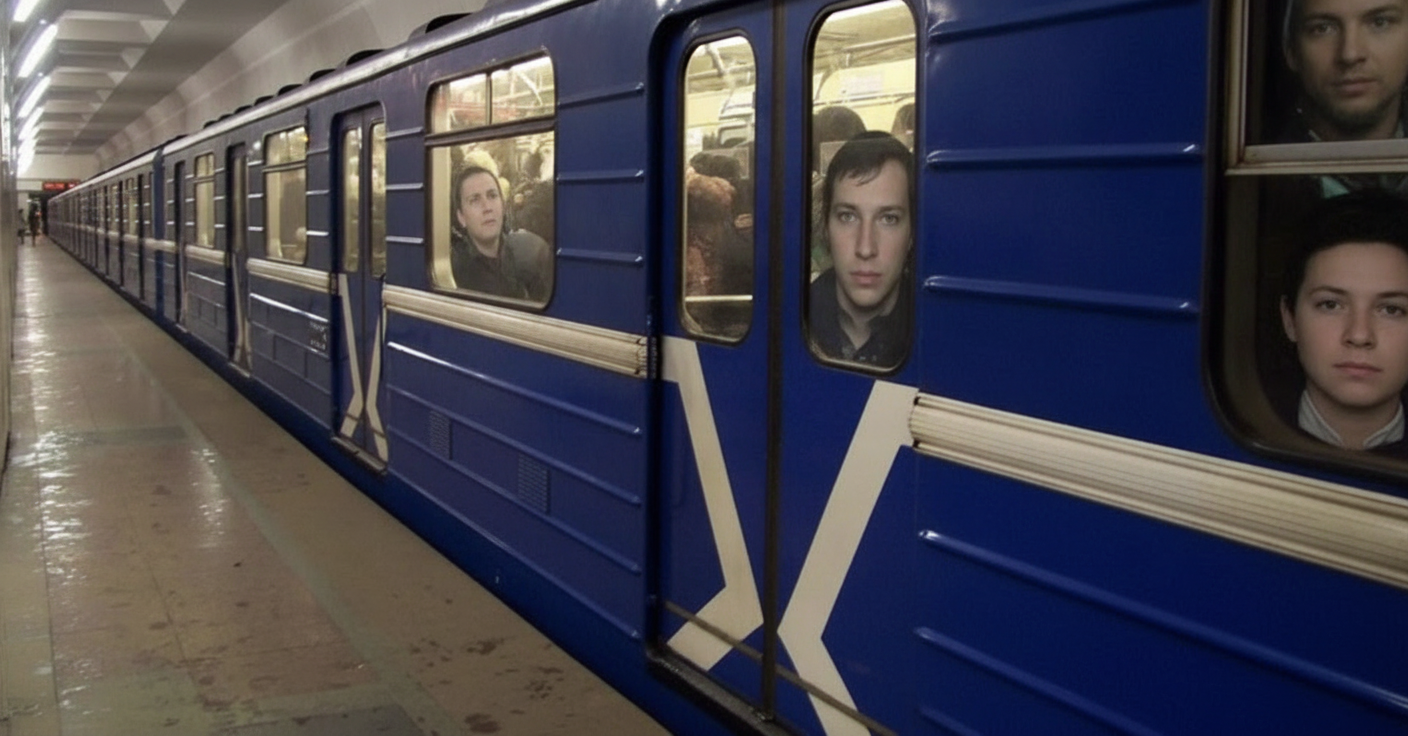
Over Half a Million Russians Declared Bankrupt as Economy Cracks Under Pressure.

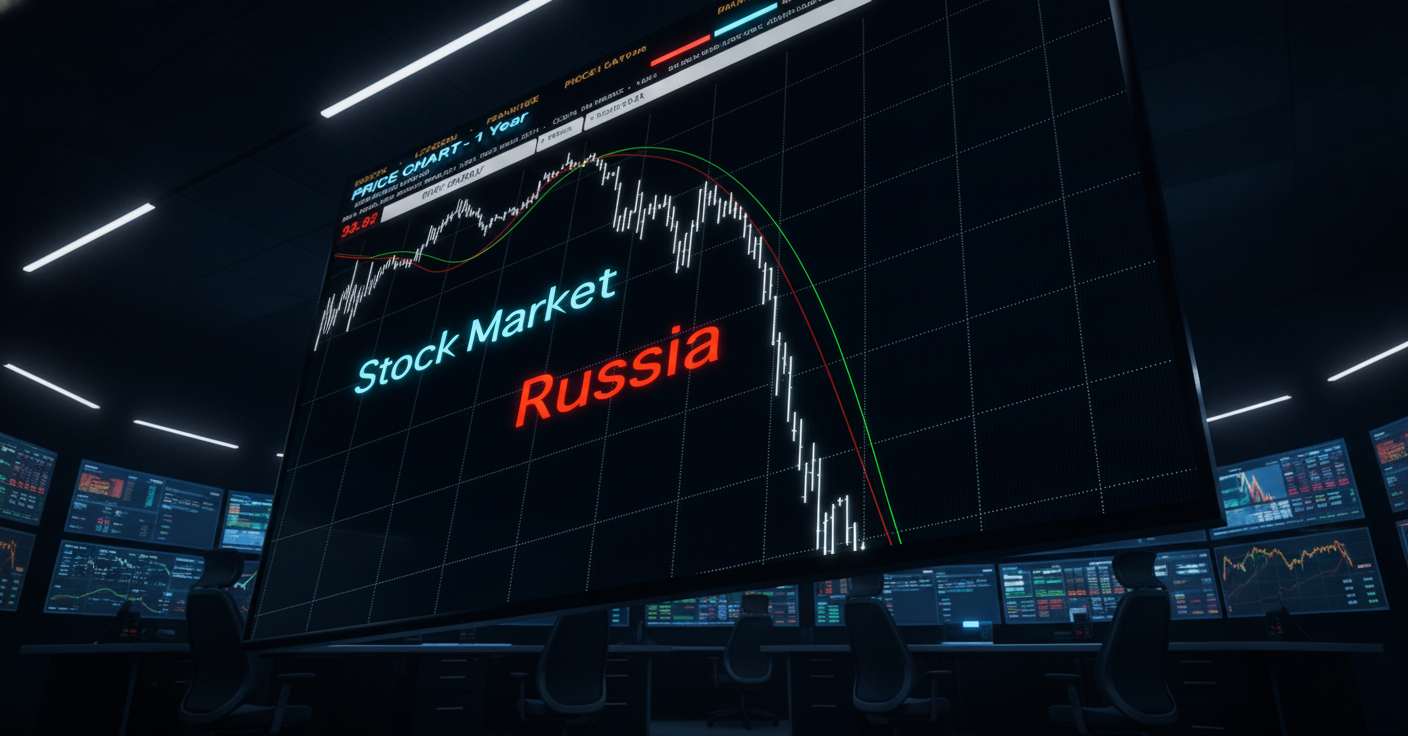
Russia's Economic Turmoil
According to Espreso.tv: Arkady Milman, a former Israeli ambassador to Russia, has raised alarms about a deepening economic crisis gripping the country. He points to a surge in personal bankruptcies and mounting troubles within the banking sector. Despite these severe strains, Milman stresses that the situation will not halt the ongoing war.
According to him, more than 500,000 individuals in Russia have already filed for bankruptcy—a stark indicator of the nation's profound economic hardship. Adding to the distress, Russia's budget deficit for the first four months of 2026 reached 5.9 trillion rubles. These figures are fueling public anxiety and intensifying criticism of the government.
“There is undoubtedly a crisis situation in Russia today,” stated Arkady Milman.
In the midst of this economic downturn, Russian authorities have been forced to increase military spending by 40% starting June 18, 2026. This underscores the state's unwavering priority on warfare despite escalating domestic challenges. Furthermore, since the beginning of 2026, Russia has lost at least $7 billion due to strikes on its oil refining infrastructure, further weakening the economy. Yet, on June 23, 2026, Russia managed to boost its pipeline oil exports by 22% month-over-month.
Milman remarked that “everything is falling apart,” highlighting the country's instability. He added that, in a situation where the economy faces such severe difficulties, “Putin doesn't care how many people die.” These comments reflect the expert's concern over how economic problems might impact political stability in Russia—though he insists they will not alter its military ambitions.
Social Fallout from Economic Hardship
The economic conditions described by Milman point to a deep crisis with far-reaching implications, not only for domestic politics but also for international relations. Rising social tensions stemming from economic struggles could spark protests and greater criticism of the authorities. However, according to the expert, this will not change the course of military operations. At the same time, funneling more resources into the war effort during an economic slump risks fueling even greater public discontent, potentially threatening the regime's stability.
Read also
- Ukraine’s Inflation Trend Shifts: Fuel Costs Drop While Service Prices Climb
- Fear of a New Mobilization Wave Drives Russians to Mass-Buy Property Abroad
- Moscow Admits Fuel Shortage for First Time Amid Drone Strikes: Long Lines at Gas Stations and Crisis Affecting 50 Million Russians
- World Bank Disburses $3.35 Billion to Ukraine: Here’s How the Funds Will Be Used
- Kyiv Public Transport Fare to Rise to 30 Hryvnias Starting July 15: New Pricing and Pass Options
- World Bank Transfers $3.39 Billion to Ukraine: Here’s How the Funds Will Be Used