Nearly Unbreakable Cars: Top Models from German, Swedish, and Japanese Brands.

How German, Swedish, and Japanese Automakers Build Vehicles That Last
According to Novyny.live: Car enthusiasts continue to seek out vehicles known for exceptional durability and longevity. Among the most trusted are specific models from German, Swedish, and Japanese manufacturers, which have earned strong reputations for quality and sustained performance over many years.
German engineering excellence is exemplified by vehicles such as:
- Audi 80 generations B3 (1986–1991) and B4 (1991–1996) – feature a galvanized body that significantly improves resistance to rust.
- Audi 100/A6 with C4 body (1990–1997) – equipped with reliable 1.9 TDI and 2.5 TDI diesel engines known for efficiency and long service life.
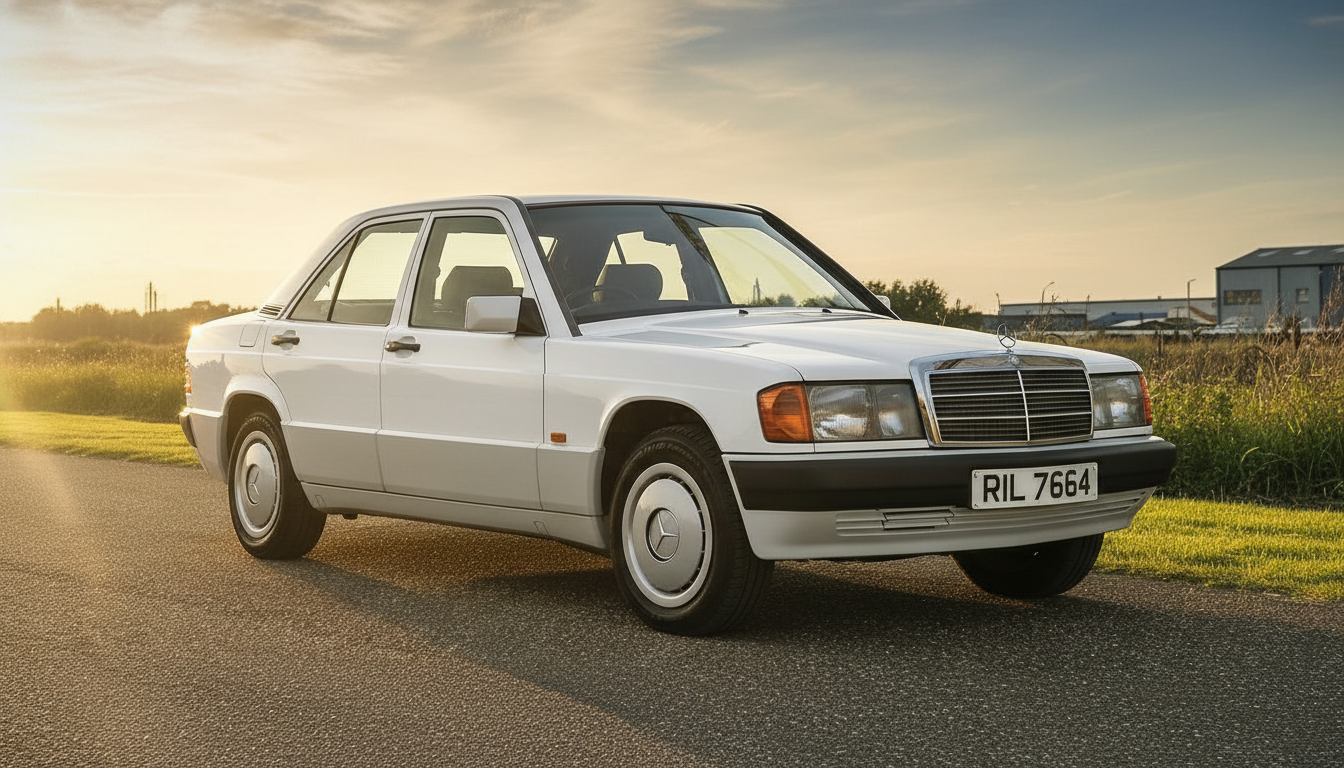
- Mercedes 190 W201 (1982–1993) – praised for straightforward maintenance; regular oil changes are enough to keep it running smoothly.
- BMW 5 Series E39 (1995–2004) – offers a 3-liter diesel engine that delivers strong performance and fuel economy.
- Porsche 911 generation 964 (1989–1994) – remarkable reliability, with over 70% of produced units still on the road today.
Swedish and Japanese automakers also produce exceptionally robust vehicles:
- Volvo 900 series models 940/960 (1990–1998) – renowned for a sturdy build, making it one of the most reliable in its segment.
- Lexus LS first and second generations (1989–1994) – standout for its 245 hp V8 engine, blending power with comfort.
- Toyota Hilux fifth and sixth generations (1980s–1990s) – proven highly dependable, especially popular for demanding work conditions.
Compact Cars That Punch Above Their Weight
Smaller vehicles also deserve recognition for their dependability. Notable examples include:
- Nissan Micra second generation K11 (1992–2003) – offers 1.0L and 1.3L gasoline engines, making it a fuel-efficient choice for city driving.
- Toyota Starlet second generation P8 (1989–1996) and P9 (1996–1999) – equipped with a 1.3L 16-valve engine that delivers solid performance in a compact package.
- Volkswagen Golf IV (1997–2006) – features 1.9 TDI or 1.8T engines that combine efficiency with reliability.
In summary, vehicles from German, Swedish, and Japanese manufacturers remain popular among buyers due to their high reliability and longevity. Choosing such models can be a smart investment for trouble-free driving over many years.
Growing interest in durable cars shows that consumers value quality and long-term performance, especially as vehicle purchase and maintenance costs rise. Selecting a car that can serve reliably for years without major repairs is becoming a priority for many. In a globalized automotive market, understanding brand reputations and specific model characteristics can significantly influence buying decisions. As a result, the popularity of the highly reliable models featured in this article is likely to keep increasing in the years ahead.
Read also
- New York Breaks Ground on 373-Meter Skyscraper: The Second World Trade Center
- NVIDIA Unveils DLSS 5: Three AI Models for Gaming, Launching This Fall
- Ukraine’s Defense Ministry Unveils New Robotic Combat System ‘Mini Strike Serpent’ – Key Details Inside
- Ukraine's Drone Forces Sink 183 Russian Shadow Fleet Vessels, Unleash New Missiles and Strike Crimea
- Ukrainian Firm SkyFall Unveils P1-SUN Jetkiller Interceptor Drone: Key Details Emerge
- World’s First 500 MW Impulse Hydropower Plant Under Construction in China: Trials Succeed