Auto Start-Stop Systems: Do Fuel Savings Outweigh Hidden Maintenance Costs?.

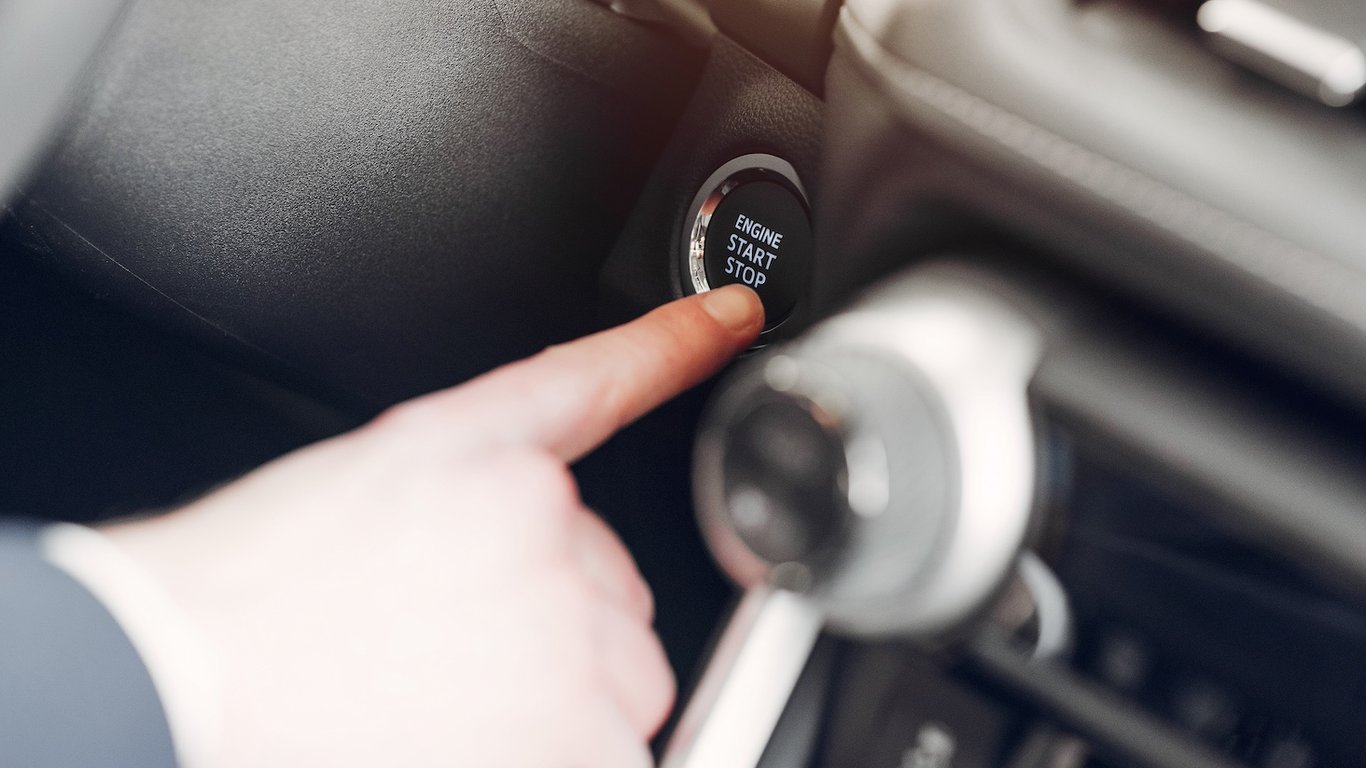
The Engine Auto Start-Stop System
According to Novyny.live: Since 2018–2020, automatic engine shut-off during stops has become a standard feature in new cars, promising fuel savings but also sparking debate over component wear. This technology, known as Start-Stop, aims to reduce fuel consumption, which can amount to 0.4 to 1 liter per 100 km in city driving. Overall, the system can lower fuel usage by 5–15%.
However, these benefits come with potential risks. Vehicles equipped with Start-Stop require more durable AGM or EFB batteries, which cost two to three times more than standard batteries, potentially increasing long-term maintenance expenses. Furthermore, the system may deactivate itself in extreme cold or heat, limiting its effectiveness in certain climates.
Weighing the Benefits and Drawbacks
In summary, the automatic engine shut-off system presents both advantages and challenges. Consumers should consider the higher battery costs and potential functionality limits in harsh weather. Debates about accelerated wear on engine components remain relevant, as long-term durability questions may arise with extended use of this technology.
The adoption of Start-Stop is a significant step toward reducing carbon emissions and saving fuel, aligning with modern environmental standards. For many drivers, especially in urban areas, the fuel savings are tangible. Yet, buyers should carefully evaluate the pros and cons, including potential extra maintenance costs and climate-related performance limits, to make an informed decision when purchasing a new vehicle.
Read also
- Google to Build America's Largest Solar Farm: 2.5 GW Facility to Power Data Centers
- Turn Your Old Phone Into a Smart Display: Inside the New ScreenWall Web Platform
- Speed Record Set by Bombardier Global 8000: Los Angeles to Farnborough in Just 8 Hours 46 Minutes
- A New Augmented Reality Platform Lets You Read and Build 3D Comics
- How Artificial Intelligence Is Unlocking Billions in Real Estate Value
- Ukraine’s Air Defense Gets a Boost: New 'Hot Dog' Drone Takes Down Over 300 Targets