Billions Flow Back to Gas Engines as Automakers Shift Gears.

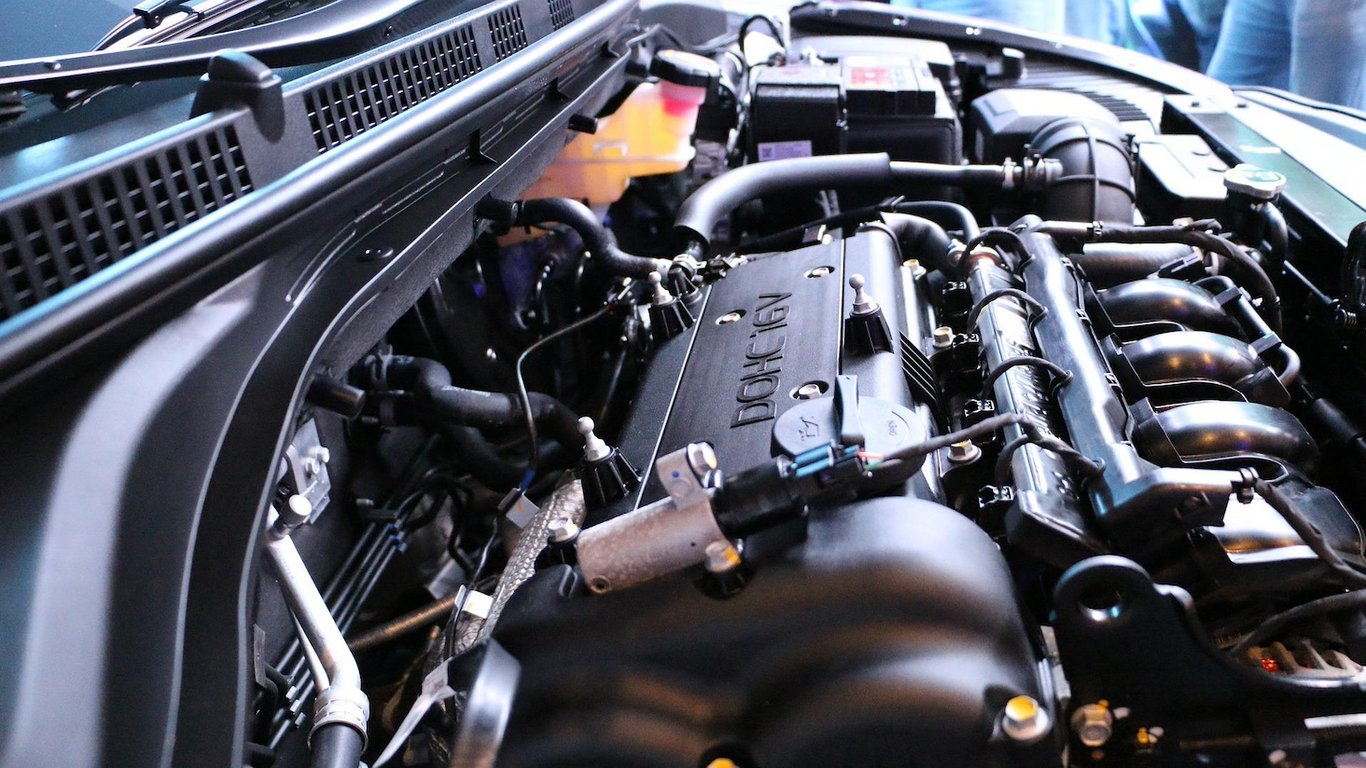
Automakers Recalibrate Strategy, Reviving Gas Engine Development
According to Novyny.live: Global automakers are redirecting billions in investment toward refining gasoline engines, a strategic pivot driven by cooling demand for electric vehicles and shifting regulatory landscapes. This renewed focus on internal combustion technology signals a significant realignment of priorities within the automotive sector.
Regulatory adjustments are a key driver of this trend. In the United States, the cancellation of the $7,500 tax credit for EV purchases has reduced a major consumer incentive, potentially dampening electric vehicle demand. Concurrently, the European Union has softened its 2035 emissions reduction target from 100% to 90%, creating more room for manufacturers to continue producing gasoline-powered vehicles.
Major Investments and Next-Generation Tech
Substantial capital is being committed to gasoline engine production in the U.S. For instance, General Motors has invested $888 million in its Tonawanda plant for V8 engine manufacturing. Separately, Chrysler has allocated $13 billion to its U.S. manufacturing operations, a move expected to generate over 5,000 new jobs. These investments underscore a clear corporate intent to advance internal combustion engine technology.
In Europe and Japan, manufacturers are also actively pursuing new technological advancements. Notable developments include:
- Horse Powertrains unveiled the compact C15 hybrid engine, measuring 48 by 49 by 24.9 cm.
- Mazda showcased its Vision X-Coupe concept featuring a carbon capture system designed to improve environmental performance.
- BMW and Mercedes-Benz are preparing new 8-cylinder engines.
- Nissan is working on proprietary fuel-saving technologies.
These innovations suggest that traditional gasoline engines may experience a resurgence, revitalized by adaptation and innovation to meet modern standards. This strategic shift reflects how the automotive market is being reshaped by economic and regulatory pressures. The combination of softer EV demand and revised regulations is catalyzing a renewed emphasis on improving conventional technologies. Such substantial investments not only support employment but also aim to preserve manufacturers' competitiveness on the global stage, indicating these trends could have a lasting impact on the industry's trajectory.
Read also
- Russia Sets Record in Gold Sell-Off: What It Signals for the Economy
- Putin’s Economic Claims Exposed as Manipulation by Ukraine’s Disinformation Center
- Rheinmetall to Double Gunpowder Output: What This Means for Ukraine
- Azerbaijan Steps Up as Europe's Energy Alternative: Gas Deliveries to Germany Already Underway
- IMF Demands Utility Rate Hikes as Naftogaz Debt Surges 63%
- 12 Red Flags for Shell Companies Identified by Ukraine's Central Bank: Banks Ordered to Scrutinize Importers