The Century-Long Reign of AA and AAA Batteries: How a Universal Standard Emerged.

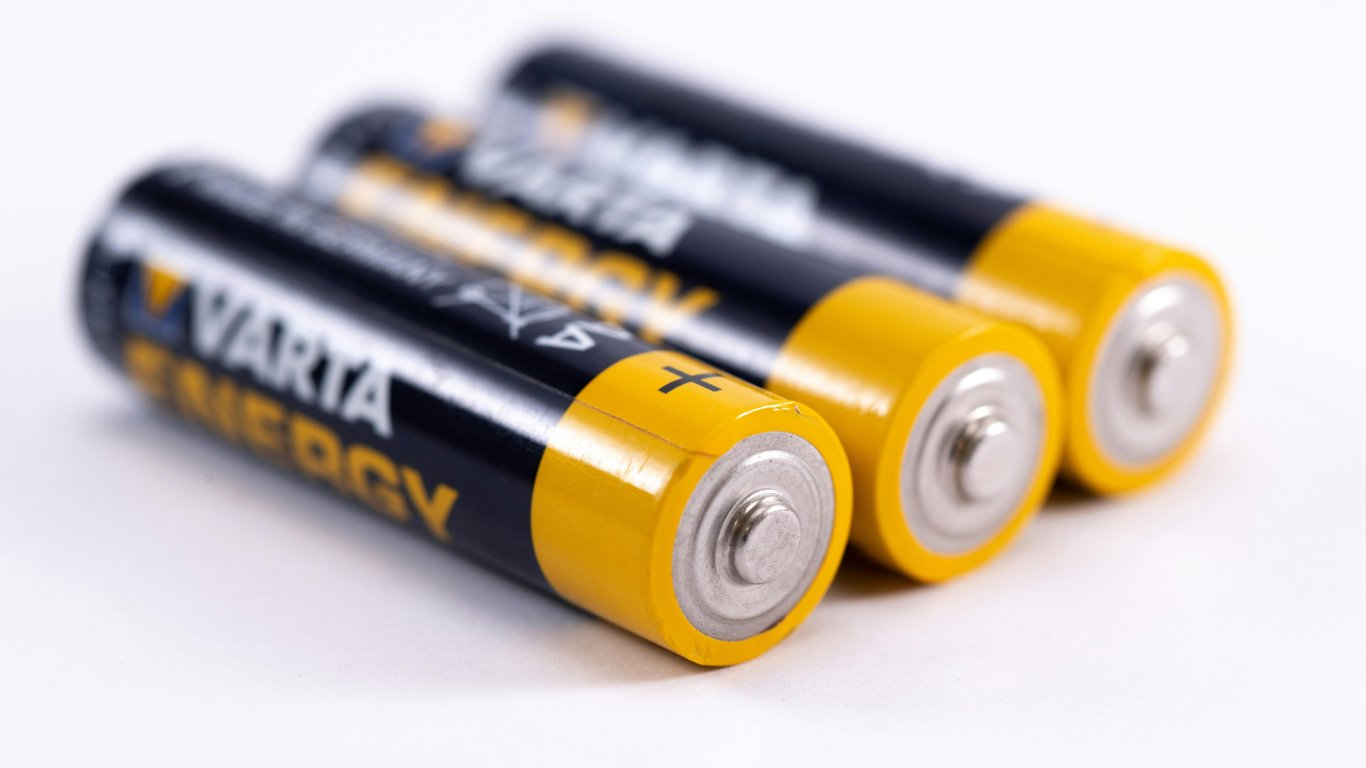
The History and Enduring Relevance of AA and AAA Batteries
According to Novyny.live: AA and AAA disposable batteries hold a significant place in both history and our modern world. The AA size was first introduced by the American Ever Ready Company in 1907, with the AAA format following in 1911. These cells have become indispensable, powering a vast array of everyday electronic devices from remote controls to children's toys. Their universal adoption is a testament to the power of early standardization.
Standardization efforts solidified their place. The AA battery was officially included in ANSI standards in 1947, while the AAA size achieved ANSI standard status in 1959. These moves ensured both formats became widely available and interchangeable across manufacturers. Alkaline batteries, which now account for roughly half of the global disposable battery market, play a key role, with a shelf life that can extend up to 10 years, adding to their consumer appeal.
Technical Specifications and Environmental Considerations
A standard alkaline battery provides a nominal voltage of 1.5 volts, whereas a rechargeable Ni-MH (Nickel-Metal Hydride) equivalent typically offers 1.2 volts. Manufacturers continuously improve battery characteristics, increasing capacity and extending shelf life to 10-12 years, giving consumers a range of choices based on their specific needs.
Despite the enduring popularity of disposables, eco-friendly alternatives are gaining traction. Growing environmental awareness regarding single-use battery waste is driving interest in more sustainable power solutions. The discussion increasingly focuses on alternative power sources that can help mitigate ecological impact.
The prevalence of single-use batteries underscores the critical need to transition toward more sustainable power options, especially in the face of global environmental challenges.
The rising popularity of alternative energy sources, such as rechargeable batteries or solar cells, reflects shifting consumer habits and a collective push toward environmental conservation. This trend is poised to influence the future development of the battery market and power technologies as a whole.
Read also
- Google to Build America's Largest Solar Farm: 2.5 GW Facility to Power Data Centers
- Turn Your Old Phone Into a Smart Display: Inside the New ScreenWall Web Platform
- Speed Record Set by Bombardier Global 8000: Los Angeles to Farnborough in Just 8 Hours 46 Minutes
- A New Augmented Reality Platform Lets You Read and Build 3D Comics
- How Artificial Intelligence Is Unlocking Billions in Real Estate Value
- Ukraine’s Air Defense Gets a Boost: New 'Hot Dog' Drone Takes Down Over 300 Targets