Belgium Permanently Freezes Russian Assets, Paving Way for Ukraine Funding.

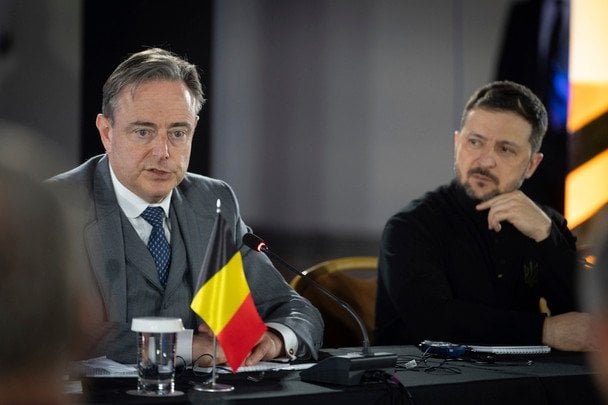
Belgium's Move to Freeze Russian Assets
According to TSN.ua: Belgium has decided to indefinitely immobilize Russian state assets, a measure Prime Minister Bart De Wever described as a crucial step in financing Ukraine's war effort. While the country cannot outright confiscate the frozen Russian assets, locking down funds from the Russian Central Bank will become a key component of the financial support for Ukraine. This move represents a significant evolution in the use of economic statecraft during wartime.
Belgium has announced a total financial aid package for Ukraine amounting to 90 billion euros, to be allocated this year and next. De Wever emphasized that Europe has an obligation to fund Ukraine, framing it not merely as financial assistance but as support for the nation's sovereignty and territorial integrity. He stated that financing for Ukraine is critically important and that the assets will remain immobilized until the war's conclusion.
An Unprecedented Decision
This decision is unprecedented, as immobilized funds from the Second World War were never confiscated. The Prime Minister noted that it is vital not only to seize someone's money but also to ensure that not a single euro returns to Moscow. Thus, Belgium is taking a step to bolster financial aid for Ukraine by utilizing assets that would otherwise remain in Russian hands. This approach marks a departure from historical precedent in international finance.
“It is vital not only to seize someone's money but also to ensure that not a single euro returns to Moscow.” - Bart De Wever
Belgium's decision could set an important precedent for other European nations considering financial support for Ukraine in the context of the ongoing war. The immobilization of Russian assets demonstrates a novel approach to international financial relations during armed conflicts. Given the continuation of hostilities in Ukraine, such initiatives may help ensure the country's stability and economic recovery in the postwar period. This action underscores the West's search for legally sound methods to make Russia bear the financial cost of its aggression.
Read also
- 7% of Drafted Individuals Were Eligible for Exemption: What’s Known About Military Office Errors
- Why Netanyahu Held Back Against Iran: Trump’s Role in the Decision
- Why Russia Can't Sustain a Long War: General Malomuzh Reacts to Zelenskyy's Invitation to Putin
- Armenia’s Elections as a Test of Statehood Amid a Hybrid War with Russia
- UK, France, and Germany Reaffirm Support for Ukraine, Outlining Peace Conditions
- Netanyahu Has No Choice but to Accept US-Iran Deal, Trump Claims