Survey Reveals Ukrainian Public's Stance on Territorial Concessions for Peace.

Polling Data on Territorial Concessions
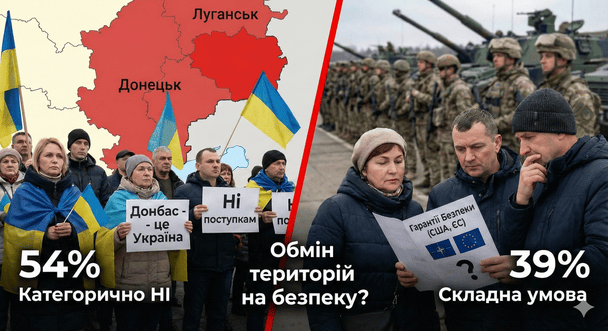
According to TSN.ua: A survey conducted by the Kyiv International Institute of Sociology has measured Ukrainian public opinion on the possibility of ceding territory to achieve peace. The findings indicate that a majority of respondents doubt the effectiveness of such an exchange. Specifically, 54% of those polled find the conditions for territorial concessions completely unacceptable. Only 39% would be willing to agree to a scenario involving concessions, but they stipulate clear demands for security guarantees.
A firm 'No' is the response from a majority of Ukrainians who believe Russia would not stop its aggression but would continue it. This view is held by 35% of respondents, while an additional 33% emphasize that trading land is impermissible under the Constitution. This suggests that many Ukrainians view territorial concessions as not only morally unacceptable but also legally questionable.
Conditions Set by Ukrainians for Potential Concessions
Those who are open to territorial concessions express specific demands:
- 24% of respondents demand legally binding obligations and tangible protection mechanisms.
- 21% want to see the deployment of Western troops within Ukraine.
- 18% cite the provision of weaponry, including long-range missiles.
Furthermore, 25% of respondents expressed distrust toward the West, referencing the Budapest Memorandum, which underscores widespread concern over the reliability of international security guarantees.
Overall, the poll reveals deep divisions within Ukrainian society regarding potential territorial concessions. The majority considers them unacceptable, while those open to compromise insist on clear security guarantees and international support. This survey was conducted amid a protracted war of aggression, highlighting the population's profound anxiety over national sovereignty. The results suggest that any future diplomatic initiatives will need to address this deep-seated demand for concrete, enforceable protections to gain public legitimacy.
Read also
- Mandatory Subjects for Ukraine's 2027 University Entrance Exam: Government Bill Reveals Key Details
- Poland's Failure to Grasp Ukraine's Suffering: Historical Missteps Repeating Themselves
- Putin Breaks Silence on 'Oreshnik' Missile: What We Know About the Tests
- How Ukraine Is Breaking Russian Propaganda: The Kremlin’s Own Tactics Turn Against It
- War in Ukraine Set to Outlast World War I as Kremlin Signals Interest in Freezing the Conflict
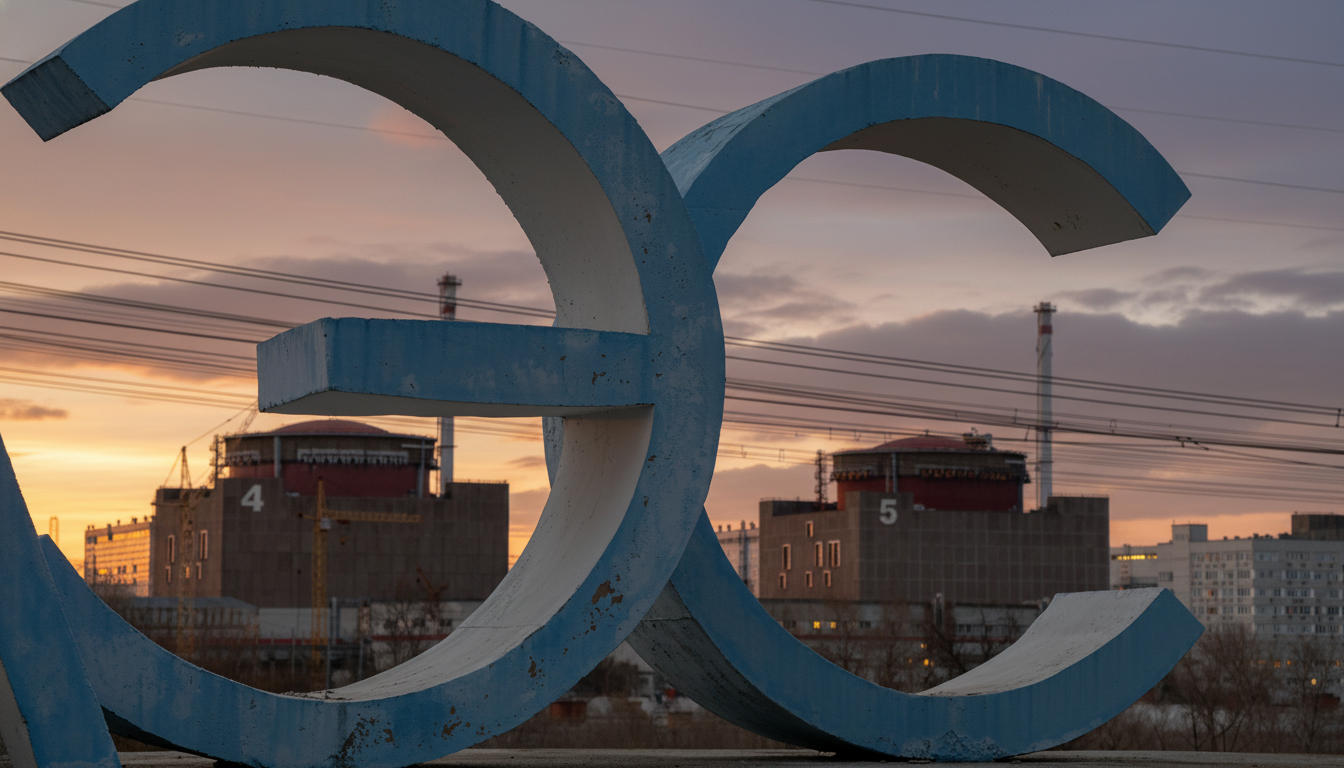
- Ukraine's Defense Forces Dismiss Russian Disinformation About Zaporizhzhia Thermal Plant Attack: Nuclear Plant at Risk