Middle East Tensions Could Shift Ukraine's Battlefield Dynamics.

How Middle East Conflict Could Impact the War in Ukraine
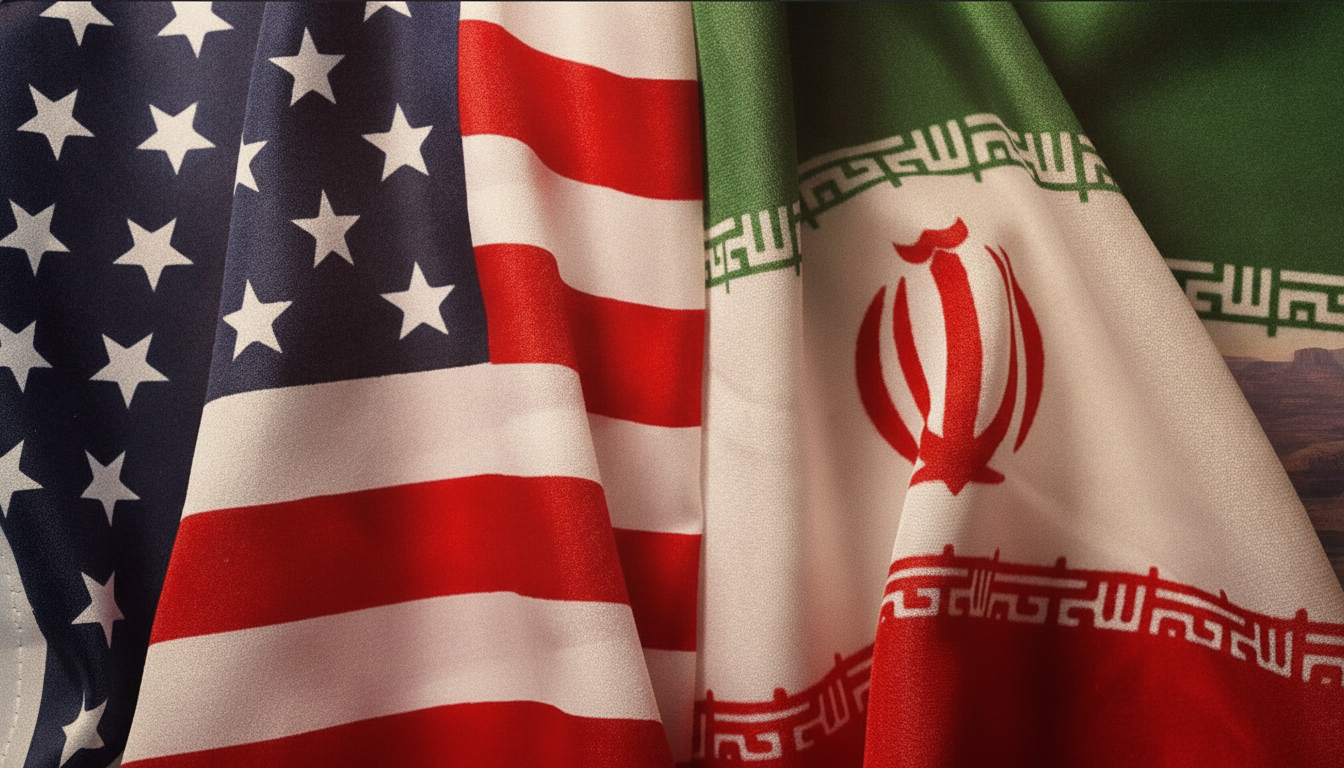
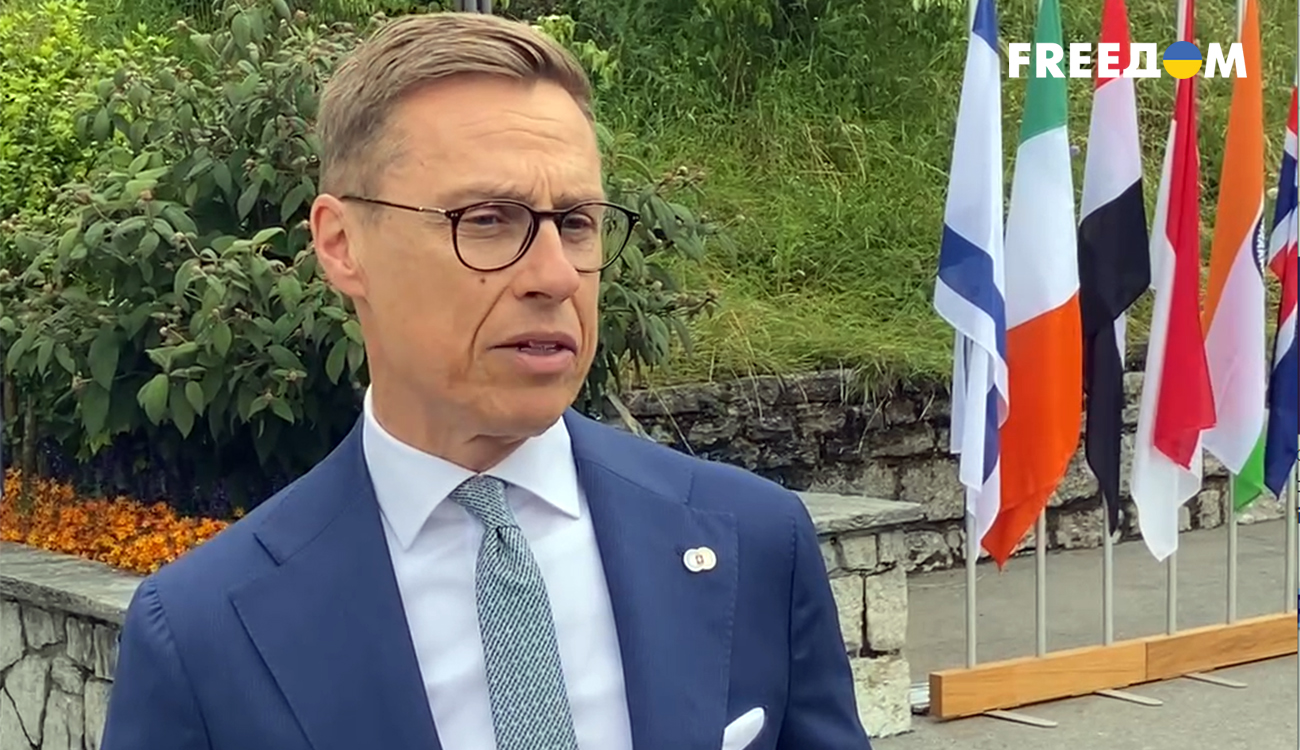
According to UATV: Finnish President Alexander Stubb has suggested that Ukraine could gain a strategic advantage from the escalating conflict in the Middle East. He argues that heightened tensions between the U.S., Israel, and Iran could disrupt the critical military partnership between Russia and Iran, potentially hampering Russian operations on the Ukrainian front. This analysis comes as the U.S. and Israel strike Iranian targets, and Iran retaliates against American bases in the region.
Stubb notes that this regional escalation may become a significant factor limiting Russia's warfighting capabilities in Ukraine. The strained relations between Moscow and Tehran could reduce the effectiveness of Russian military operations, creating an opening for Ukrainian forces. For Western observers, this highlights how interconnected global conflicts can create unexpected strategic opportunities.
The Interconnected Nature of Modern Warfare
The Finnish president's statement underscores the global context of modern military conflicts. The link between events in the Middle East and the situation in Ukraine demonstrates how international relations can directly influence the course of local wars.
- Any disruption to the Russia-Iran alliance could pose new logistical and supply challenges for Russian forces.
- Such developments may, in turn, bolster Ukraine's efforts to defend its territorial integrity.
Read also
- EU to fund Ukrainian drone production under deal signed in Kyiv
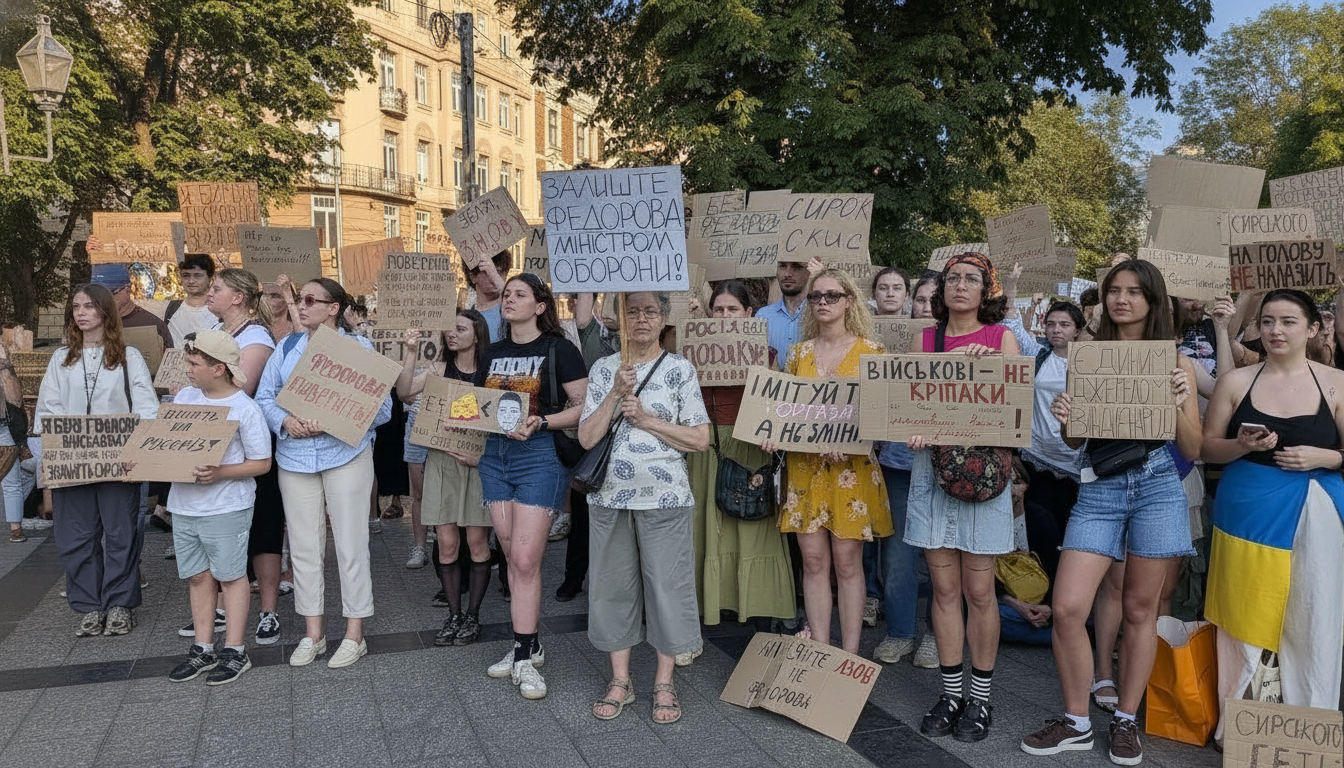
- Kyiv Rally Backs Fedorov: Protesters Demand Ouster of Commander Syrskyi
- Seventh Wave of U.S. Strikes Hits Iran: Observation Tower Destroyed at Chabahar Port
- Germany Raises Terror Threat Level to High: What We Know So Far
- Hungary Braces for Major Probes: Orban and Szijjarto Could Face Consequences for Alleged Kremlin Ties
- Kyiv Talks: Zelenskyy and Starmer Discuss New €300 Million Aid Package