New Russian Bill Seeks to Allow Registration of Vehicles on International Wanted Lists.

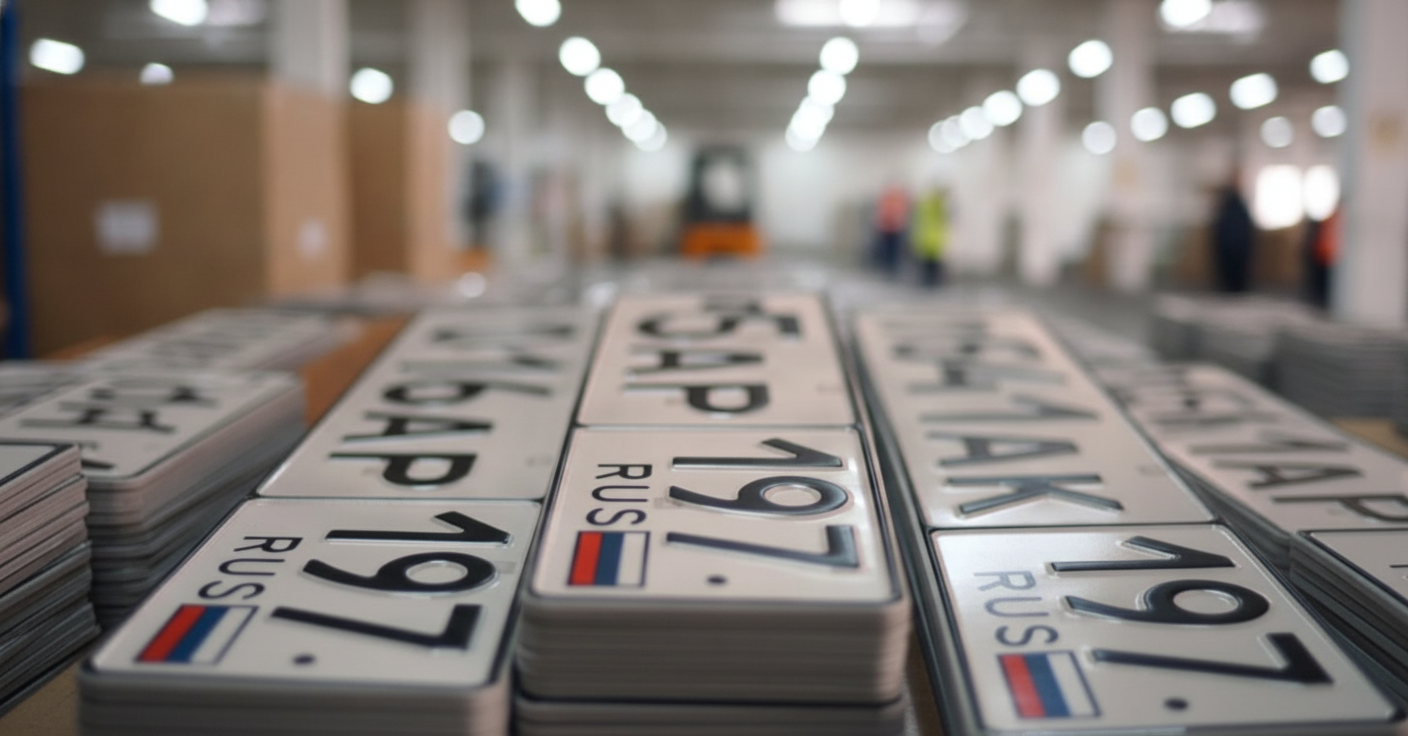
Russia Moves to Permit Registration of Interpol-Listed Cars
According to Espreso.tv: The Russian government has submitted a bill to the State Duma that would grant the Ministry of Internal Affairs authority to establish special procedures for registering vehicles currently flagged in international databases. Under existing law, registering cars listed in Interpol's system is strictly prohibited. This legislative shift could mark a significant change in how stolen or sought-after foreign vehicles are handled within the country.
According to data from Russia's Ministry of Internal Affairs, approximately 1,500 foreign-made cars have been identified as being on international wanted lists since 2022. This issue has gained urgency amid broader legal adjustments that may affect how many such vehicles can be legalized in Russia.
Social Implications of the Proposed Law
Separately, sociologists have recorded a drop in Vladimir Putin's public approval rating to 66%. This decline may reflect shifting public sentiment in the country, occurring alongside new government initiatives. The proposed vehicle registration policy could spark varied societal reactions, particularly given existing concerns about trust in law enforcement agencies and their effectiveness.
In essence, the bill now before the State Duma could represent a pivotal change in Russia's approach to vehicle registration, potentially altering public perceptions of state institutions in the context of combating international crime.
This legislation could significantly impact Russia's automotive landscape by allowing the legalization of vehicles previously deemed illegal due to their presence on international wanted lists. Given the rising number of such cars, this may improve tracking and accountability. However, it also raises questions about law enforcement's ability to manage criminal offenses effectively. Evolving public attitudes may further fuel debate over trust in state bodies and their role in upholding the rule of law.
Read also
- Kyiv Talks: Zelenskyy and Starmer Discuss New €300 Million Aid Package
- Security Risk in Germany: Far-Right AfD Could Take Over Counterintelligence
- Ukrainian Army Captain Önistrat, Appointed 'Chief Paper Pusher,' Decides to Leave Military Service
- Zelenskyy on the Hunt for a New U.S. Ambassador After Svyrydenko Turns Down the Role
- Ukraine Cripples Russian Logistics in the South: Operation 'Milk' Strangles Crimea
- New Ukrainian Ministry Established: Here's Who Will Lead It