Seventh Wave of U.S. Strikes Hits Iran: Observation Tower Destroyed at Chabahar Port.

Remarks from Iran’s Deputy Foreign Minister
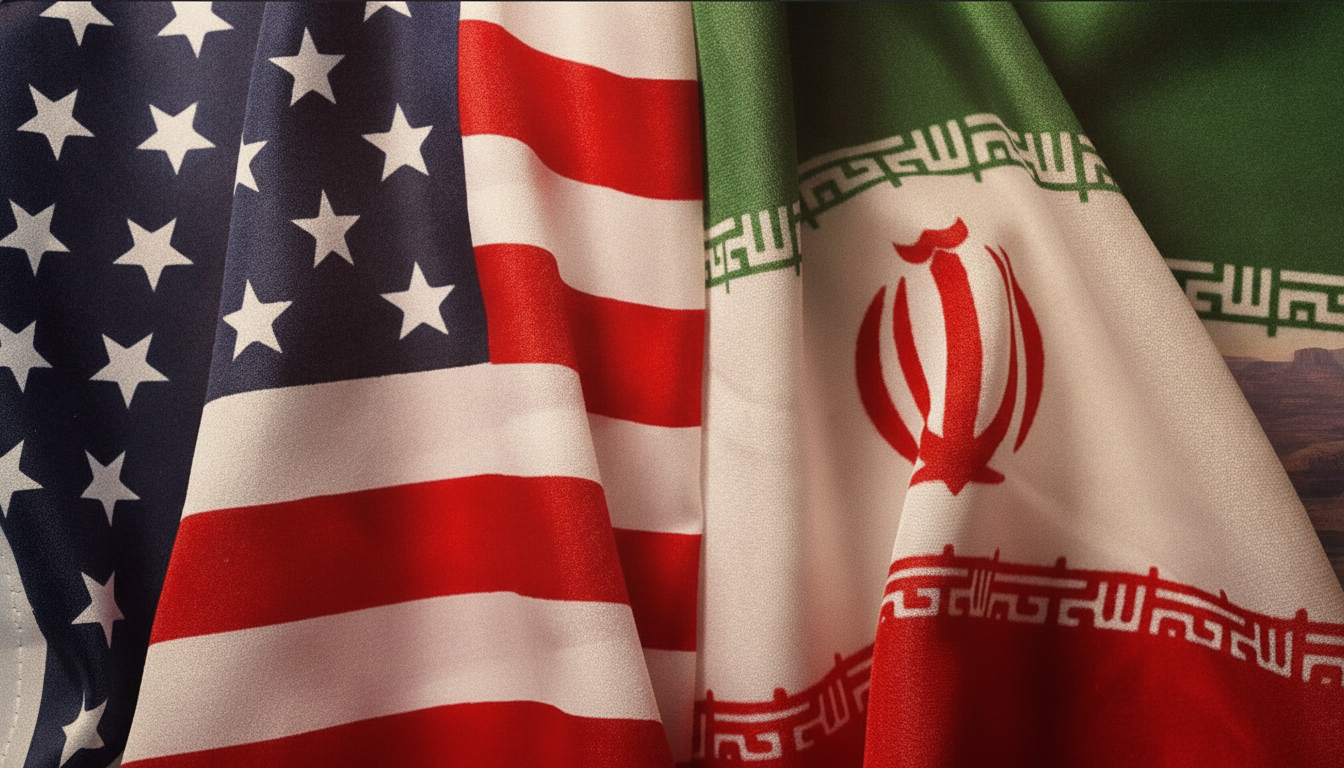
According to Espreso.tv: Iran’s Deputy Foreign Minister, Khazem Gharibabadi, addressed the latest aggressive actions by the United States, pointing to a new attack by American forces that marked the seventh consecutive night of strikes against Iran. These operations resulted in the destruction of an Iranian observation tower at the port of Chabahar. Gharibabadi noted that the ceasefire signed between Donald Trump and Iranian President Masoud Pezeshkian on June 18 has proven fragile, as fresh escalations in the conflict have now become a reality.
In a statement issued on October 21, Gharibabadi emphasized: 'We engaged in negotiations. Unfortunately, it was the Americans who actually carried out these aggressive acts, violating their own commitments.' He recalled that since the agreement was signed, both sides repeatedly affirmed their dedication to the ceasefire regime, yet the situation on the ground continues to deteriorate.
Developments in the Middle East
The U.S. Central Command (CENTCOM) confirmed the completion of the seventh wave of strikes against Iran, stating that 'over 50,000 American service members are operating across the Middle East and remain vigilant, lethal, and ready to act.' These actions have sparked serious concern in Tehran, where as early as May 26, Iran’s Foreign Ministry accused the United States of violating the ceasefire. Particularly alarming was the first use of maritime kamikaze drones by the U.S. on July 7, introducing new threats to the region.
As a result, tensions between the United States and Iran remain high, with both sides confronting challenges that could shape the future trajectory of the conflict. For its part, Iran continues to assert that it does not control the Strait of Hormuz, as noted by Pete Hegseth. This further complicates the situation and casts doubt on the prospects for lasting peace in the region.
The ongoing standoff between the U.S. and Iran underscores rising tensions that could have serious consequences not only for the two countries but also for the security of the entire Middle East. A lack of progress in negotiations and renewed military escalations highlight the difficulty of achieving stable peace in a region that has long been under threat. The next moves by both sides may determine not only their bilateral relations but also the broader balance of power in the area.
Read also
- Ukraine’s Top Commander Warns of Imminent Russian Offensive as Defense Forces Brace for Reinforcement
- Urgent Defense Meeting: Zelenskyy, Fedorov, and Syrskyi Discuss Military Decisions
- Protests Erupt in Kyiv and Lviv Following Fedorov's Resignation: Key Details
- What Fedorov’s Resignation Means for the Military: Zelenskyy Weighs In
- Moscow and Tambov Strikes Mark New Setbacks for Russia on Day 1,606 of War, Says Zelensky
- Is Putin's Army Ready for a New War? Kadyrov Urges Russia to Strike NATO