Over 1,000 Kilometers of Drone-Proof Barriers Installed on Ukraine’s Supply Routes.

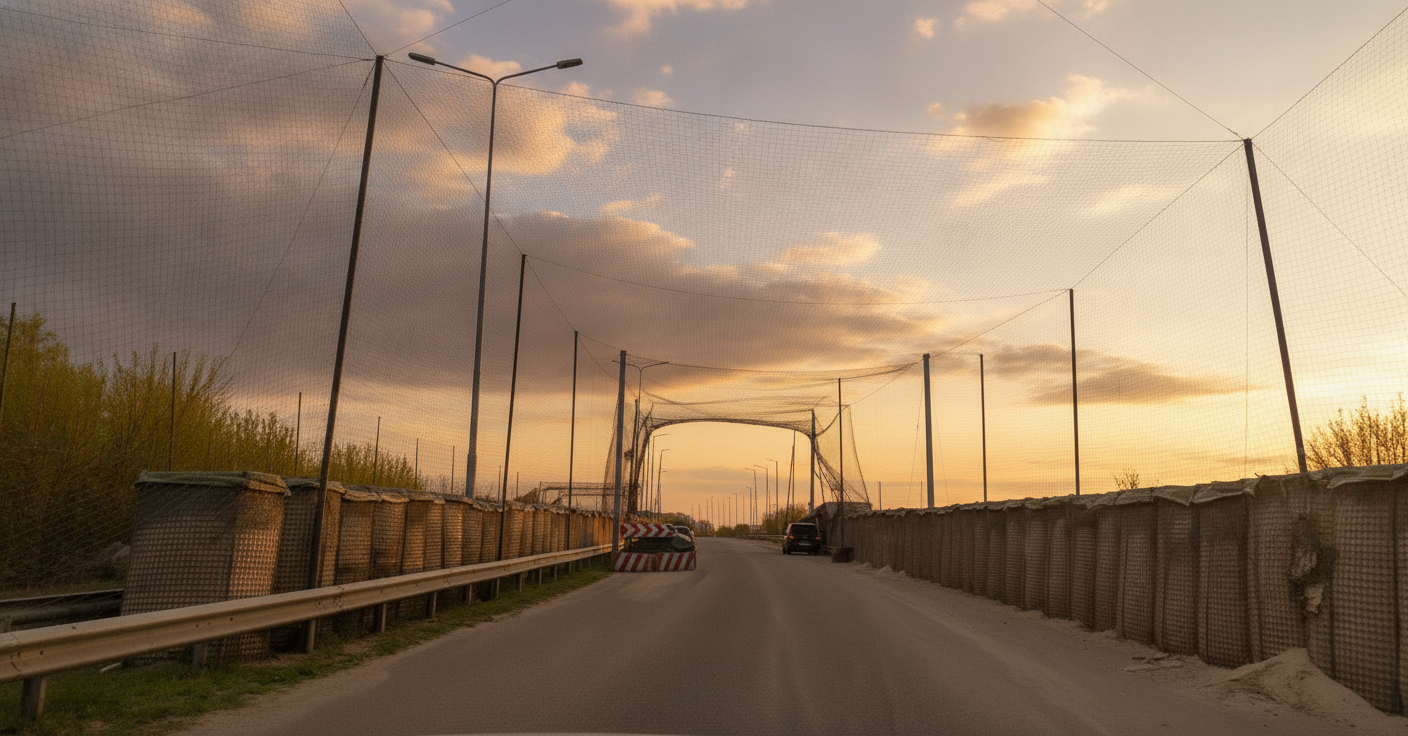
Drone Defense on Logistics Corridors
According to Espreso.tv: Since the start of 2026, Ukraine’s State Special Transport Service, acting on orders from the Ministry of Defense, has erected anti-drone protections along critical supply corridors—spanning 1,066 kilometers. These measures are designed to safeguard the movement of vital resources amid the realities of modern warfare.
In the frontline regions, 325 kilometers of drone defenses were built starting June 2026. During May 2026 alone, 211.52 kilometers of protective structures were installed, and an additional 38 kilometers of damaged barriers were restored. By May 2026, the total for the year had reached 822 kilometers of new protections and over 170 kilometers of repaired roads. Nearly 233 kilometers of highways have been refurbished, while routine maintenance and upkeep have been carried out on more than 369.6 kilometers of roads since reconstruction efforts began in April.
Current Progress
Work is still underway on 16 sections, with 27 sections now fully completed. According to Ukraine’s Ministry of Defense,
“logistics routes are a top priority target for the enemy in modern warfare.”These protected road segments allow for
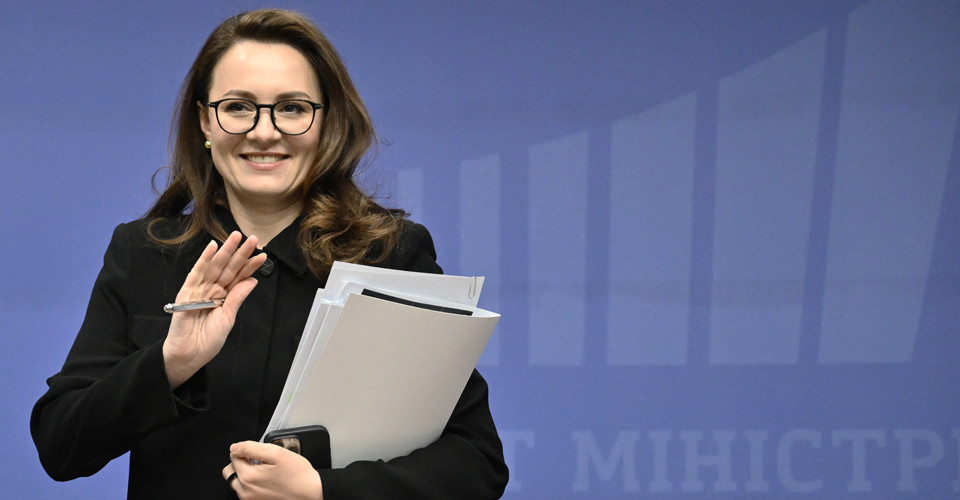
“faster and safer movement of supplies,”noted Prime Minister Yulia Svyrydenko during a working visit to Donetsk and Dnipro regions. In September 2025, the Cabinet of Ministers focused on shielding key arterial roads with anti-drone nets, underscoring how crucial these efforts are for maintaining security during active hostilities.
Securing logistics corridors is a cornerstone of Ukraine’s wartime defense strategy. The expanding network of anti-drone barriers not only boosts transport safety but also ensures a steady flow of resources—essential for sustaining military operations and civilian infrastructure. With constant threats from the adversary, such measures can significantly influence the effectiveness of frontline actions.
Read also
- Zelenskyy on the Hunt for a New U.S. Ambassador After Svyrydenko Turns Down the Role
- Government Reshuffle: Zelenskyy Nominates New Prime Minister to Parliament
- Zelenskyy Announces Leadership Shake-Up: Who Will Head the Kyiv City Military Administration
- Zelenskyy Nominates Koretskyi as New Prime Minister in a Bid to Reshape Government
- Seven EU Integration Laws Stalled as Government Resignation Triggers Automatic Withdrawal of Key Bills
- After Svyrydenko's Dismissal: Four Candidates Emerge as Potential Next Prime Minister