Russian Assaults Halted by Starlink Disruption, Crippling Military Coordination.


How Blocking Starlink Terminals Impacted Russian Military Operations
According to UATV: The disabling of Starlink terminals has stalled Russian assault operations and caused severe communication breakdowns, forcing troops to revert to outdated methods. Ukrainian military officials confirm a reduction in the intensity of Russian attacks, a direct result of the invaders losing their ability to coordinate effectively.
Following the blockage of Starlink terminals, Russian forces halted offensive actions on several front-line sectors. The Ukrainian government has banned the use of unregistered Starlink terminals within its territory, granting its military additional advantages in countering the aggression. Furthermore, the Cabinet of Ministers approved a resolution to implement 'white lists' for authorized Starlink devices, further complicating Russian forces' access to this technology.
Consequences for Military Operations
The partisan movement 'Atesh' has confirmed that Russian occupying forces have abandoned Starlink terminals, significantly degrading their capacity to conduct military operations. On the Pokrovsk front, Russian troops had heavily relied on Starlink for drone targeting, but the blockage of this technology has drastically reduced their effectiveness.
Experts note that the Starlink disruption has made command and control far more difficult for the occupying forces.
“The entire military command structure collapsed” — Serhiy Beskrestnov.
“The number of assault actions has become much smaller due to this failure in troop management” — Serhiy Tsekhotskyi.
According to Valeriy Borovyk, “If the blockage continues, it will lead to a major breakdown in the enemy's coordination.” Dmytro Snehyriev pointed out that “The width of the kill zone is now 15–20 kilometers, not 10,” indicating that the decreased intensity of attacks on the front may be linked to the Russian military's lack of modern communication tools. This development highlights how modern warfare is increasingly dependent on secure, high-speed satellite communications.
The frontline situation demonstrates that blocking technologies previously exploited by the aggressor can have a substantial impact on the course of military engagements. This incident underscores the critical role of advanced technology in modern combat and its importance for effective command. The Starlink blockage has not only hampered Russian communications but also provided Ukrainian forces with a tactical advantage. Continuing this practice could significantly alter the conflict's trajectory, as a sustained reduction in the invaders' assault capability may force strategic shifts on both sides. In contemporary warfare, where technology is pivotal, control over communication systems can become a decisive factor in achieving battlefield success.
Read also
- Deadly Russian Strikes Hit Zaporizhzhia, Kramatorsk, and Dnipropetrovsk Region
- Massive Overnight Strike: Russia Hits Ukraine with 121 Drones and 6 Iskander Missiles
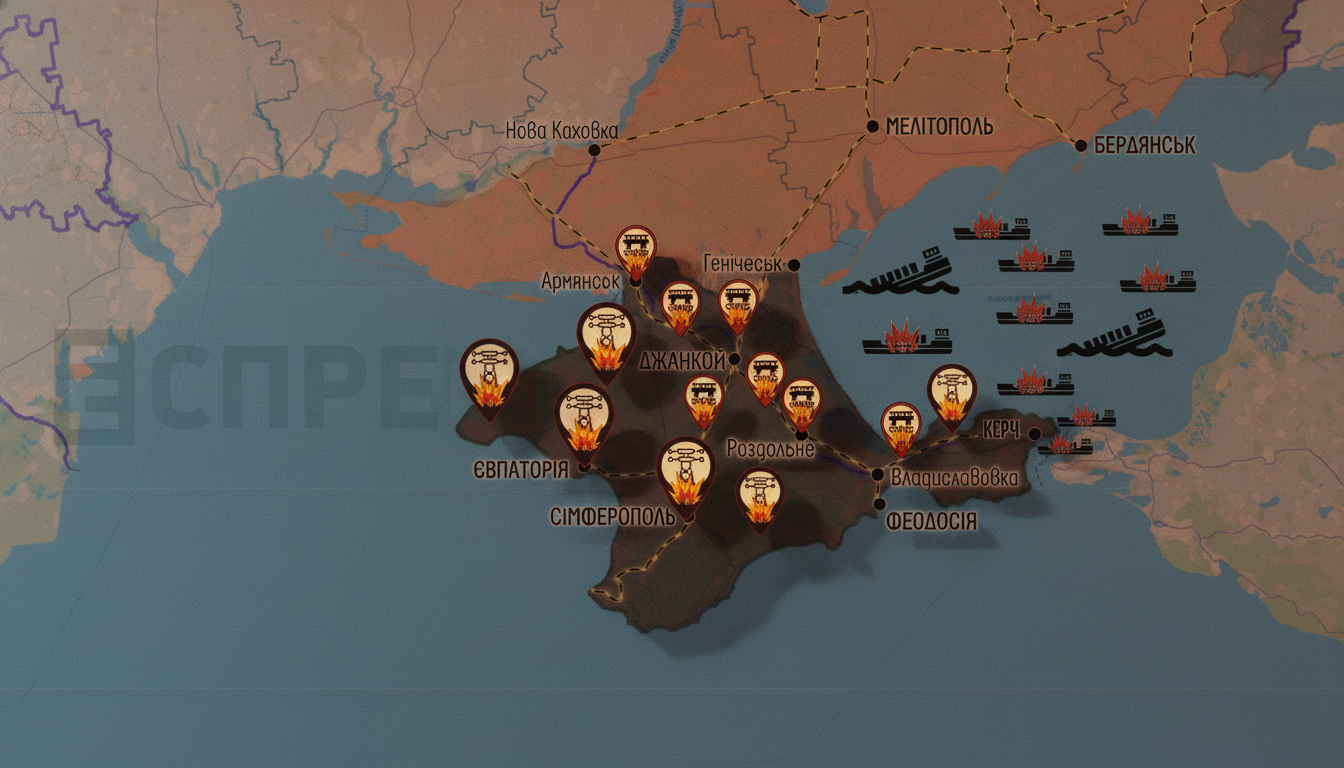
- Russia Shuts Down Azov Sea After Drone Strikes on 13 Vessels, Including 10 Oil Tankers
- Nearly 1,500 Russian Troops Eliminated in a Single Day: Ukraine’s Defense Forces Update Enemy Losses
- Over 42% of Russia's Oil Refining Halted by Ukrainian Forces: New Strikes Hit Omsk Refinery
- Ukraine's Drone Forces Destroy 13 Russian Vessels Near Crimea: Operation Details