Water Heaters Guzzle Electricity Like Dozens of Fridges: How to Cut Costs.

The High Energy Appetite of Water Heaters
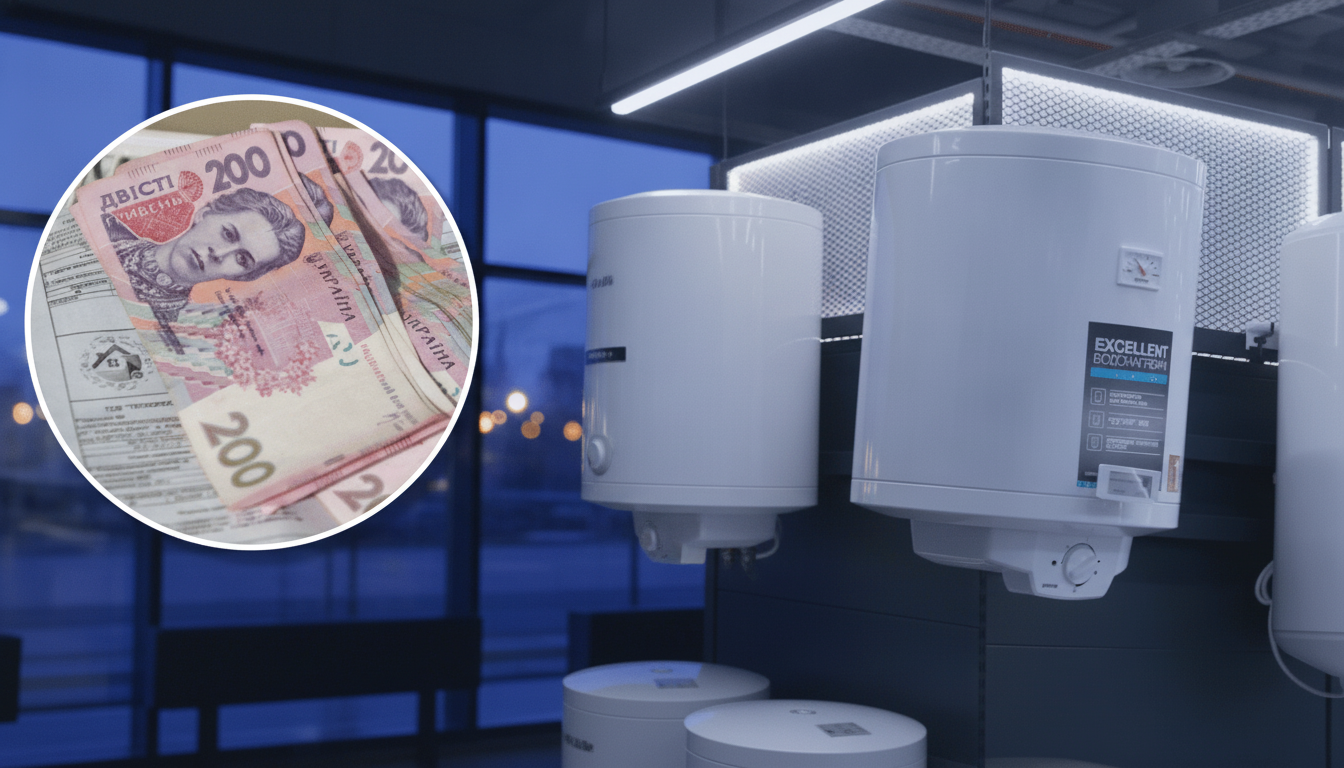
According to Novyny.live: Many households are increasingly concerned about the steep electricity bills caused by water heaters. According to expert estimates, a single unit can consume as much power as several dozen refrigerators, making it a major drain on household budgets. A key culprit behind this excessive usage is an improperly set water temperature.
Smart Adjustments for Lower Bills
When the thermostat is cranked up to 70–80°C, the heater kicks on frequently, driving up energy consumption. To strike a balance between comfort and savings, specialists advise setting the temperature between 50–55°C. This setting—often labeled as 'e' or 'I' on the device—reduces electricity use while still providing a pleasant shower experience.
Beyond temperature, the condition of the heater matters greatly. Limescale buildup on the heating elements can significantly impair efficiency, causing the device to work harder and consume more power. Routine maintenance and proper calibration can lead to substantial electricity savings, easing the financial strain on households.
With electricity prices on the rise, optimizing water heater usage has become a pressing concern for consumers. Cutting utility costs can make a real difference in a family's budget, so following expert tips on temperature adjustments and upkeep is highly beneficial. These simple steps not only save money and resources but also promote more eco-friendly energy use, aligning with broader efforts to reduce energy waste and conserve natural resources.
Read also
- New York Breaks Ground on 373-Meter Skyscraper: The Second World Trade Center
- NVIDIA Unveils DLSS 5: Three AI Models for Gaming, Launching This Fall
- Ukraine’s Defense Ministry Unveils New Robotic Combat System ‘Mini Strike Serpent’ – Key Details Inside
- Ukraine's Drone Forces Sink 183 Russian Shadow Fleet Vessels, Unleash New Missiles and Strike Crimea
- Ukrainian Firm SkyFall Unveils P1-SUN Jetkiller Interceptor Drone: Key Details Emerge
- World’s First 500 MW Impulse Hydropower Plant Under Construction in China: Trials Succeed