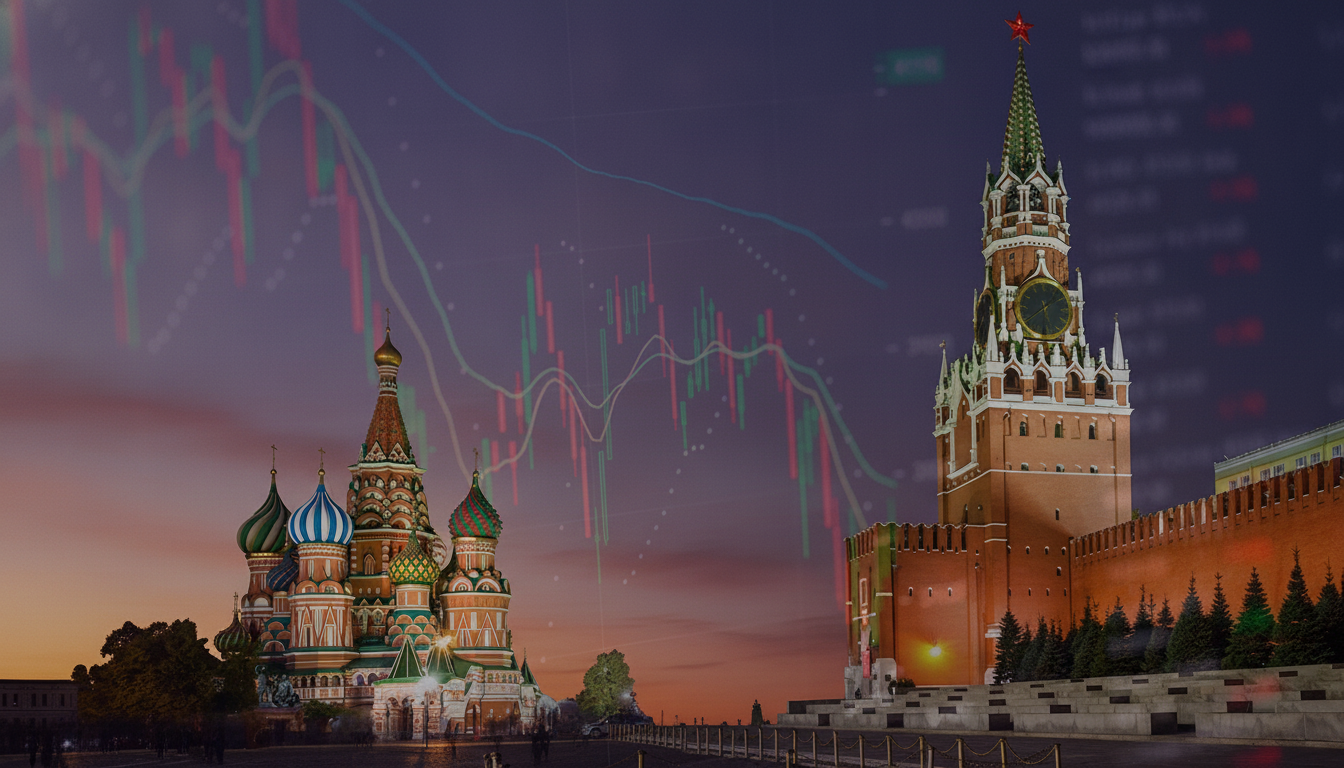
Russia's Widening Budget Deficit Puts Pressure on War Effort and Negotiations.

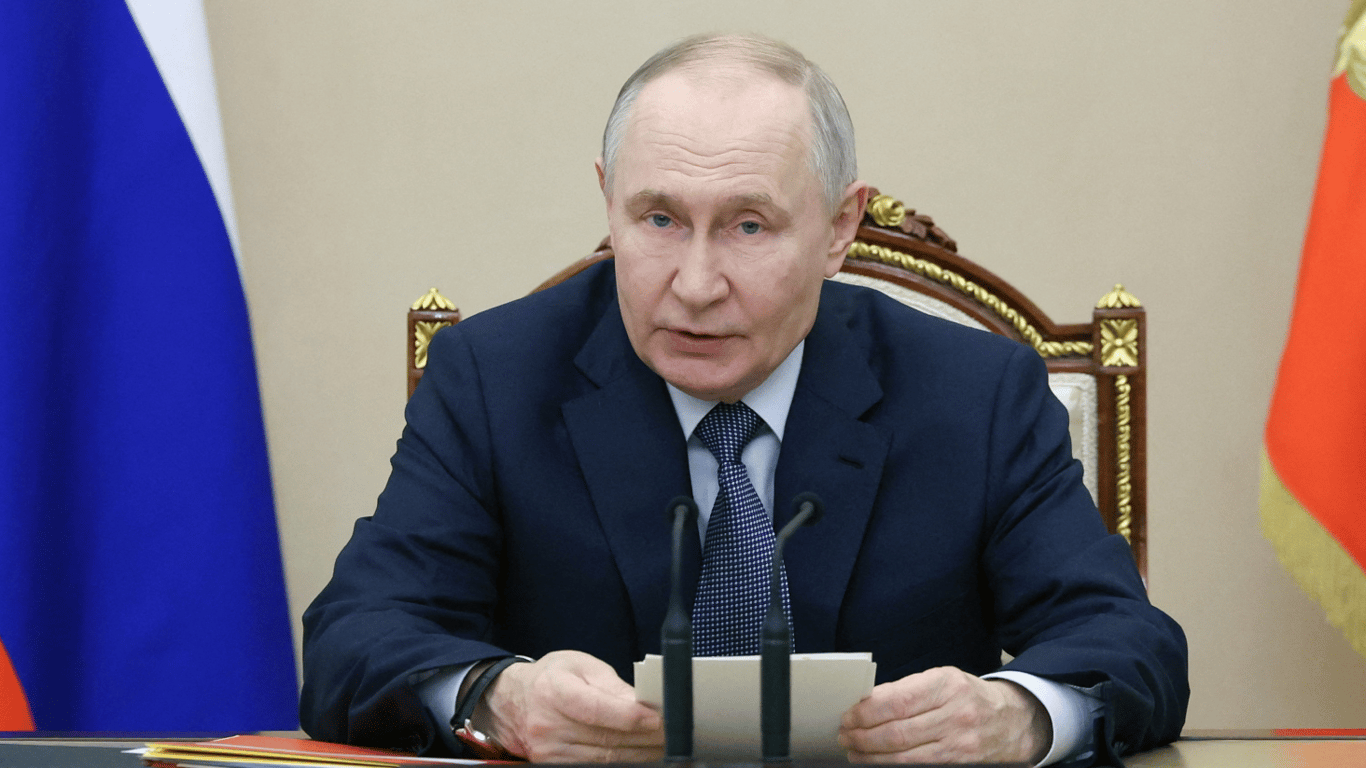
Russia's War in Ukraine Strains Finances, Deepening Budget Deficit
According to Novyny.live: Russia is confronting severe financial strain due to its war in Ukraine, leading to a growing budget shortfall. The country's planned budget deficit is set at 1.6% of its Gross Domestic Product (GDP). To cover escalating war costs, the government in Moscow is seeking additional revenue sources of up to 1.2 trillion rubles. This financial pressure comes as Western sanctions continue to target the Russian economy.
According to Bloomberg analysts, Russia's oil and gas revenues could shrink to 6.75 trillion rubles. This substantial drop in income threatens the nation's financial stability and the Kremlin's ability to sustain military operations. Should conditions fail to improve, the potential budget deficit could reach nearly 2.2 trillion rubles.
Financial Strain Narrows Russia's Diplomatic Options
These financial difficulties significantly limit President Putin's room for maneuver regarding potential peace deals. Russia's 2026 budget is based on an assumed price of $59 per barrel for its Urals crude oil. This demonstrates the country's continued reliance on stable energy prices, a factor that could weaken its negotiating position. The Kremlin's strategic calculations are increasingly tied to volatile commodity markets.
Experts also note that political processes in the United States could present an additional factor for the Kremlin to consider. Consequently, the financial pressures facing Russia are likely to substantially impact its war strategy and the prospects for reaching a negotiated settlement.
The expanding Russian budget deficit may lead to significant shifts in its military and diplomatic approach. Declining oil and gas revenues jeopardize the funding for its war effort, which could force the Kremlin to seek new approaches to negotiations or even reassess its objectives in Ukraine. Observing subsequent economic and political developments will be crucial for understanding the conflict's trajectory and potential resolution.
Read also
- Russia Sets Record in Gold Sell-Off: What It Signals for the Economy
- Putin’s Economic Claims Exposed as Manipulation by Ukraine’s Disinformation Center
- Rheinmetall to Double Gunpowder Output: What This Means for Ukraine
- Azerbaijan Steps Up as Europe's Energy Alternative: Gas Deliveries to Germany Already Underway
- IMF Demands Utility Rate Hikes as Naftogaz Debt Surges 63%
- 12 Red Flags for Shell Companies Identified by Ukraine's Central Bank: Banks Ordered to Scrutinize Importers