AI Doctor: How Artificial Intelligence Can Buy Time for Patients.

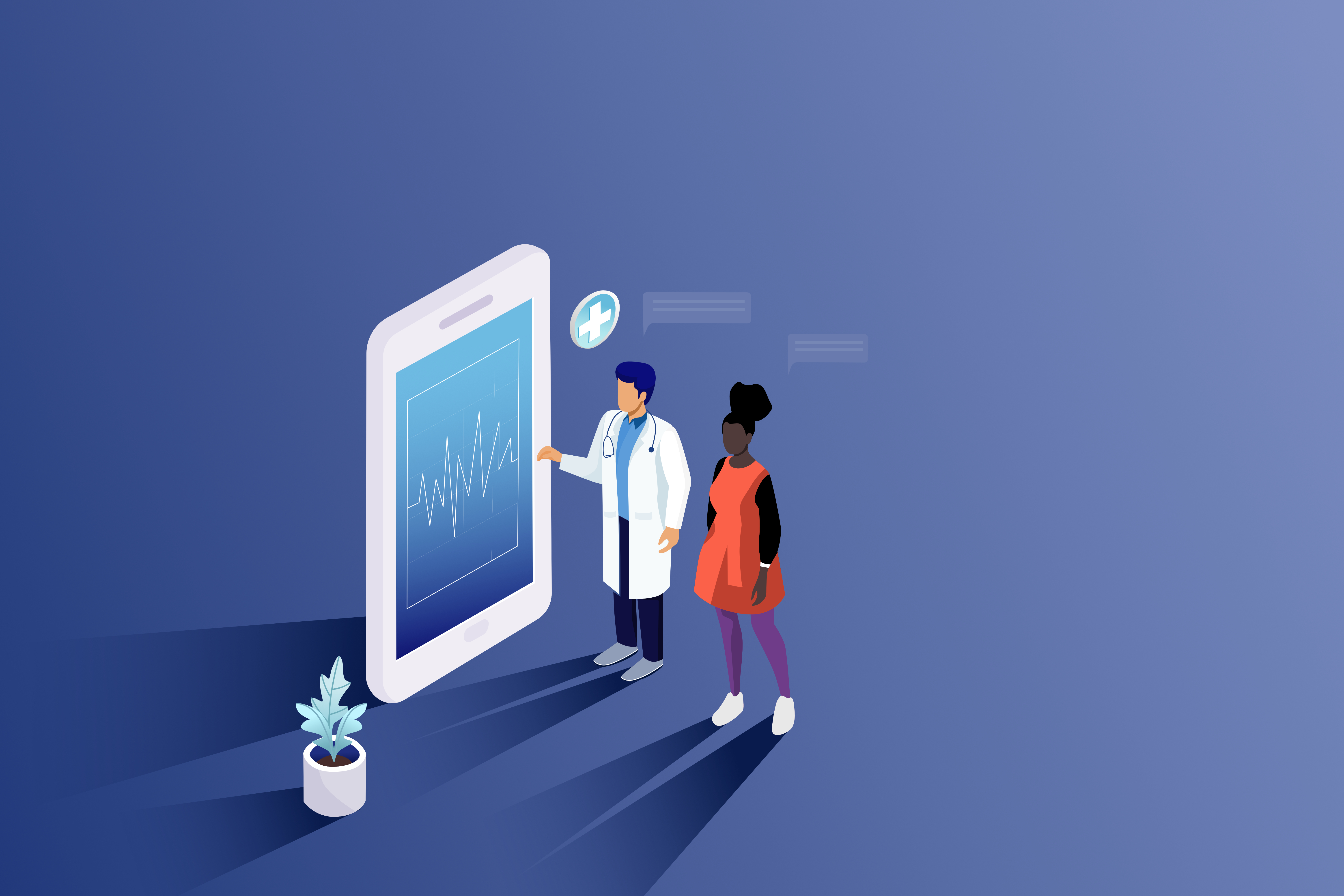
According to Vox: Recently, I visited the doctor to discuss my test results. Everything was normal — even impressively average. But one part of the visit surprised me. After the doctor provided me with recommendations based on my health and age, she turned the computer monitor to me and showed a colorful panel with numbers and percentages.
At first, I didn't quite understand what was going on. The doctor explained that she had entered my information into a database with millions of other patients like me, and this database uses artificial intelligence to predict likely outcomes for my health. This helped me understand possible health issues.
I usually have a skeptical view of artificial intelligence, like most Americans. But if our doctors trust these large language models, does it make sense to trust them?
Dr. Eric Topol believes the answer is yes. He is a physician and scientist at Scripps Research, as well as the founder of the Scripps Research Translational Institute, and he is convinced that AI has the potential to improve the doctor-patient relationship.
“There’s been tremendous erosion of this patient-doctor relationship,” he told Explain It to Me, Vox’s weekly call-in podcast.
He notes that doctors are forced to spend most of their working time on administrative tasks. They often act as 'data clerks,' keeping themselves busy with records, ordering tests, prescriptions, and pre-authorizations after each visit.
“It’s a horrible situation because the reason we went into medicine was to care for patients, and you can’t care for patients if you don’t have enough time with them,” he said.
Topol explained how artificial intelligence can make the medical experience more 'humane' in a recent episode of Explain It to Me. Below is an excerpt from our conversation, edited for clarity. You can listen to the full episode on Apple Podcasts, Spotify, or wherever you get your podcasts.
Why has the relationship between patient and doctor become strained?
In three words, it can be described as “the business of medicine.” Doctors under pressure must see more patients in less time, which affects the quality of their work. To earn more, they need to see more patients on tests.
Can technology really make healthcare more humane?
Who would have thought that technology could make us more humane? That’s me, and I believe it’s already happening. Technology enables us to have more time. Using artificial intelligence in communication with patients will help improve the quality of medical notes.
Are you not concerned that freed-up time won't be used for the benefit of patients?
I am concerned about that. If we are not on the side of patients, it could happen. AI can enhance efficiency and productivity, so it's necessary to protect patients and their relationships with doctors.
What are your thoughts on bias in healthcare?
First of all, it's important to acknowledge that there is serious bias. It reflects our society. But we have already seen numerous positive examples where AI is applied in low socio-economic areas to improve access to medical services.
What inconveniences do you see in the medical system?
I have some concerns. We have a long history of unequal access to technologies that should help those who need it most. I hope we finally realize how important it is to provide everyone with equal access to these opportunities.
Why are you still an optimist in this field?
Let me remind you, we have 12 million serious diagnostic mistakes a year. This is a massive issue that needs to be addressed. Perhaps that’s why we need to find ways to improve, and I am very optimistic about that.
The topic of artificial intelligence in medicine sparks a lot of discussions. Its implementation opens new horizons for doctors and patients, but requires a careful approach to ethics and accessibility. The prospect of a more humane approach in medicine could be an important step toward improving interactions between doctors and patients.
Read also
- Antique Musket Balls Repurposed Into Solar Cells with 94% Efficiency
- South Korea Patents a Silent Engine for Air Taxis
- 144 FPS at 4K: A Gamer Pairs an RTX 3090 and RTX 3050 for Stunning Performance
- Snapdragon 8 Elite Gen 5: Qualcomm’s New Chip Targets Sub-$600 Smartphones
- Samsung Unveils Three New Odyssey Gaming Monitors: Specs and Features Revealed
- Plastic Waste Converted into Jet Fuel: New Breakthrough by Chinese Researchers