Russia has launched a large-scale information operation against Ukraine: intelligence details.


According to ТСН: The Ukrainian Foreign Intelligence Service reported on a large-scale information campaign by Russia aimed at undermining Ukraine's reputation and disrupting negotiations between the presidents of Ukraine and the USA.
Kremlin Manipulations
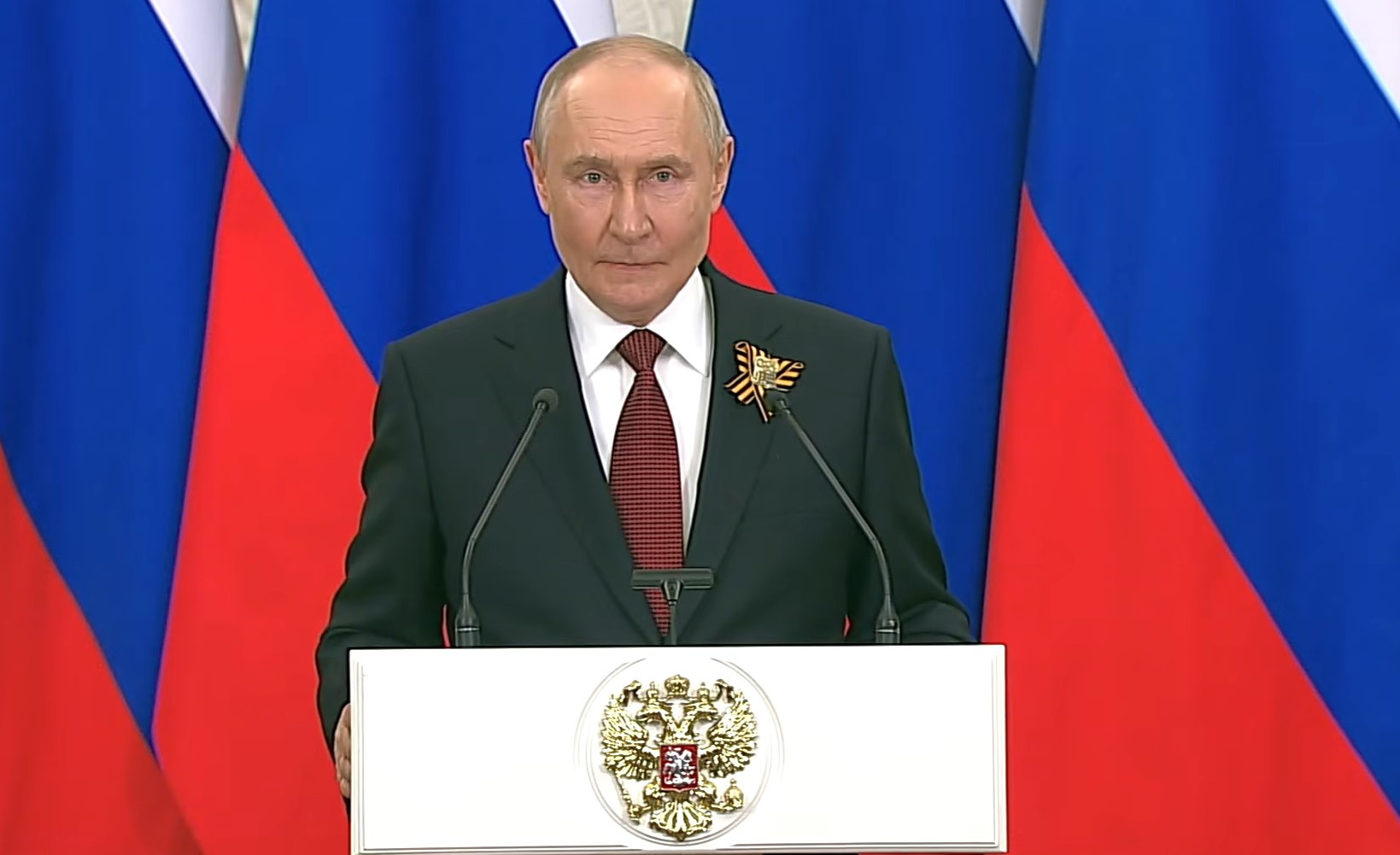
According to intelligence data, Russia accused Ukraine of attempting an attack on Vladimir Putin's residence using 91 drones.
The operation began with a statement from Russian Foreign Minister Sergey Lavrov and was quickly picked up by other Russian officials and pro-Kremlin media (TASS, RT). The speed and coordination of the spread of these narratives indicate direct control of the operation by the Kremlin.
Facts Defuting the Accusations
Ukrainian intelligence provides evidence that refutes the information about the attack:
Residents of the Novgorod region did not report any drone activity or its consequences on December 29. The Kremlin spreads fake reports allegedly from residents of Valdai.
There is no real evidence—wreckage, photos or videos of downed UAVs that the Russians did not provide even a day after the statement.
The Russian Ministry of Defense changed the number of 'downed' drones twice, adjusting data to fit the pro-Kremlin narrative.
History of Manipulations
Intelligence reminds that Russia has manipulated such themes before: in May 2023, there were reports of a drone attack on the Kremlin, and in May 2025—about an alleged threat to Putin's helicopter during a visit to the Kursk region.
Ukrainian intelligence also notes that this fake reflects the Kremlin's response to Ukraine's and the USA's negotiation successes and may be used to justify future attacks on Ukraine and discredit the Ukrainian leadership.
Criticism in the USA
U.S. representatives criticized President Donald Trump for his reaction to Russia's statements about an alleged attack by Ukrainian drones on Vladimir Putin's residence.
Members of the U.S. House of Representatives, Don Bacon, urged Trump and his team to check facts before making public conclusions, emphasizing that the Kremlin has repeatedly spread false information. Trump himself admitted that he has no confirmed evidence of such an attack and acknowledged that it might not have occurred.
This situation indicates that information manipulations remain an important tool in international relations, particularly in the context of the conflict between Ukraine and Russia. The response of the international community and the media to such statements by Kremlin officials may influence the further development of events, especially regarding diplomatic relations and support for Ukraine from Western countries.
Read also
- Ukraine’s Ombudsman Secures Prisoner Return Deal with Russia: First 186 Freed
- First EU Accession Negotiation Cluster Launched by Ukraine: Understanding the 'Fundamentals'
- Putin Responds to Zelensky's Letter: What He Said About a Meeting and Russia's War Aims
- Slovakia Backs Opening EU Accession Negotiation Clusters for Ukraine
- Georgia's Government Has Adopted Moscow's Stance on Ukraine, Says Zurabishvili
- EU Endorses Zelensky’s Call for Direct Talks with Putin