CMA CGM to Impose $4,000 Per-Container War Risk Surcharge for Middle East Shipments.

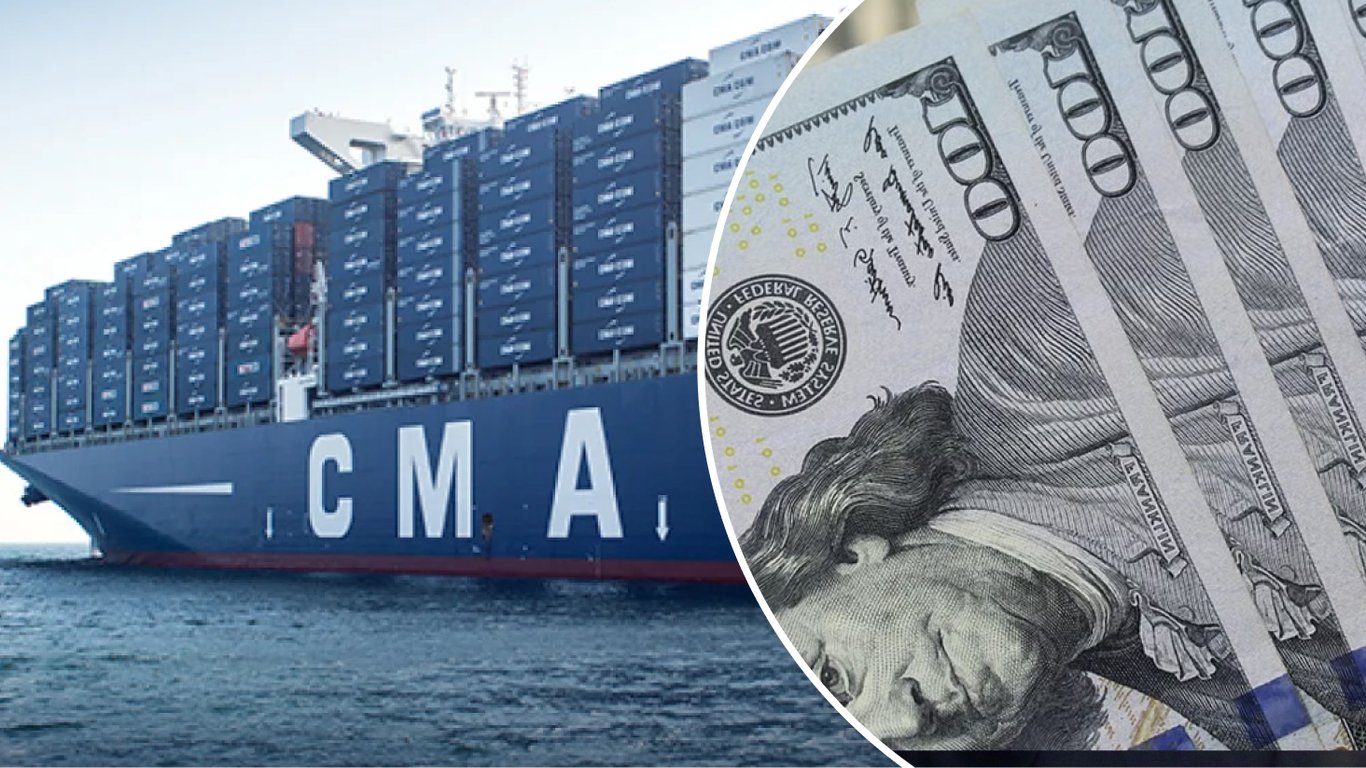
CMA CGM Announces New Risk Surcharge
According to Novyny.live: The French shipping giant CMA CGM has declared it will implement a new risk surcharge, reaching up to $4000 per container. This measure is a direct response to the ongoing military conflict in the Middle East and is scheduled to take effect on March 2, 2026. According to the company, the surcharge will apply to container shipments destined for the region. Such surcharges are a common industry tool for mitigating the financial risks associated with operating in volatile areas.
As one of Europe's largest shipping groups, CMA CGM's decision to raise rates appears justified given the current regional instability. The 'risk surcharge' will vary in amount depending on the container type:
- $2000 for a 20-foot container;
- $3000 for a 40-foot container;
- $4000 for a refrigerated container or special equipment.
The fee will be levied on cargo moving to or from a list of specified countries, including:
- Iraq,
- Bahrain,
- Kuwait,
- Yemen,
- Qatar,
- Oman,
- UAE,
- Saudi Arabia,
- Jordan,
- Djibouti,
- Sudan,
- Eritrea,
- Egypt via the port of Ain Sokhna.
It is crucial to note that the surcharge will only apply to bookings made on or after March 2, 2026.
Market and Supply Chain Impact
This move demonstrates CMA CGM's ongoing effort to adapt its pricing policy to shifting market conditions, aiming to secure safe transport operations amidst complex geopolitical situations.
The introduction of this risk surcharge highlights how major carriers like CMA CGM are seeking to offset the financial risks tied to shipping in high-danger zones. This decision is likely to impact the cost of goods in the affected countries, as the additional transportation expenses may be passed on to consumers. Consequently, it could lead to adjustments in supply chains and a search for alternative delivery routes to these destinations.
Read also
- Brent Crude Surpasses $110 a Barrel: Could Iran Tensions Trigger a Global Energy Crisis?
- Ukraine Strikes Russian Ports: The Cost of a Month-Long Shutdown at Tuapse
- Fuel Shortage in Crimea: Russian Logistics Crippled by Ukrainian Strikes, Says Feigin
- Ukraine’s Strikes Trigger Fuel Crisis as Russia Loses 40% of Oil Refining Capacity
- Ukraine Strikes 42 Russian Vessels in 11 Days as Drone Campaign Intensifies
- Russian Stock Market Crashes Nearly 9% — What This Means for the Economy