Ukrainian Armed Forces Officer on Aggression towards TCC: Two Main Reasons for the Crisis of Trust Named.

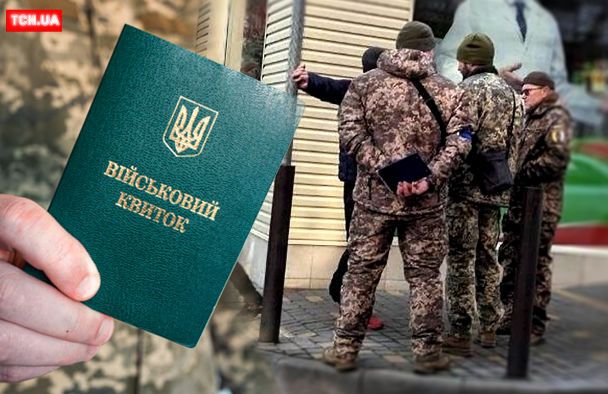
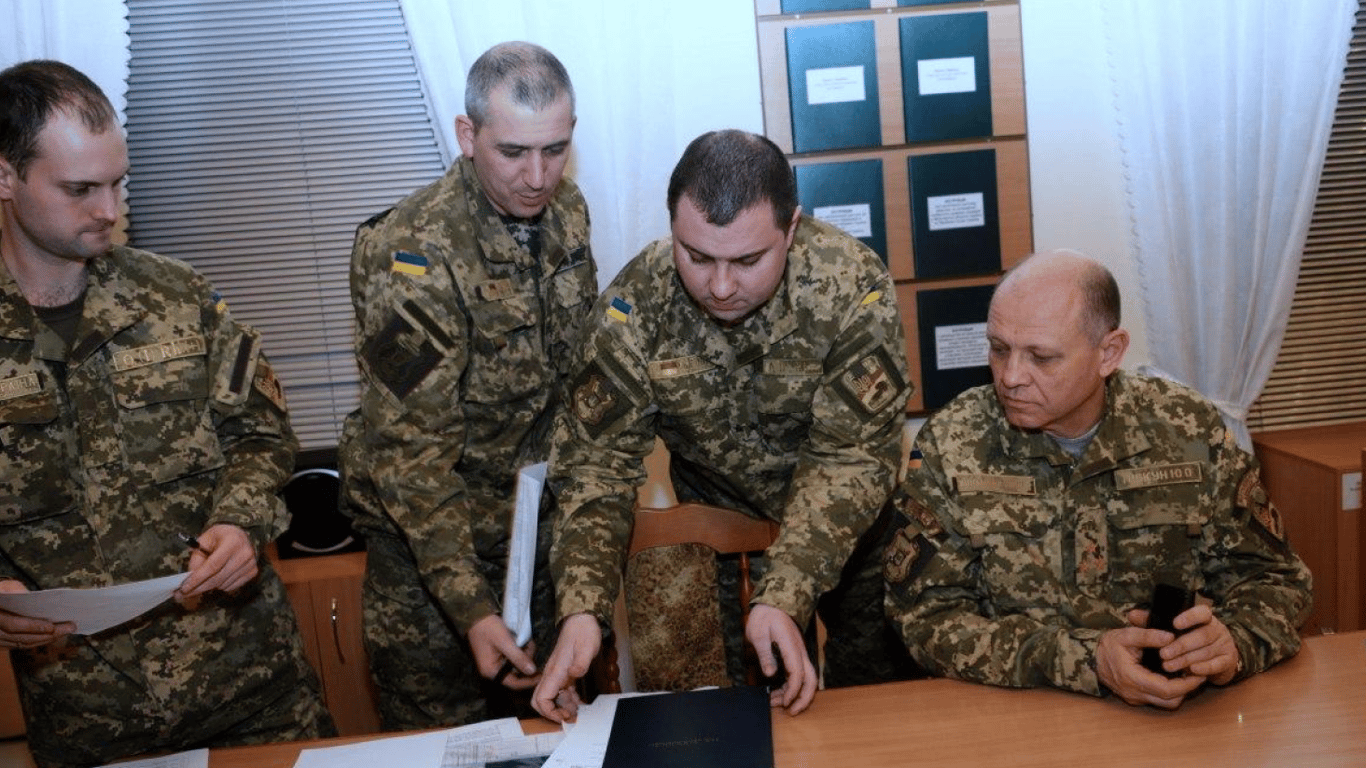
According to ТСН: The head of the communications department of the West Operational Command, Oleg Dombrovsky, explained why military personnel of the TCC and SP have become targets of aggression from society. In his opinion, the root of the problem lies in hostile narratives and the activities of local authorities. He called not to demonize TCC employees, emphasizing that they are part of the Armed Forces of Ukraine.
In his interview, the representative of the West Operational Command noted that the basis of the crisis of trust and aggression towards TCC workers is the spread of hostile disinformation content. He emphasized that all military personnel working in recruitment centers are members of the Armed Forces of Ukraine. According to Dombrovsky, hostile destructive narratives have been actively disseminated in Ukraine since 2014.
"Currently, the information space is filled with an enormous amount of disinformation. These are just insane numbers: from tens of thousands to hundreds of thousands of posts on various platforms. And, of course, in this huge flood, the average citizen of Ukraine is drowning," said the representative of the West Operational Command.
Dombrovsky noted that the Russians have partially succeeded in imposing a conditional difference between TCC personnel and the rest of the Armed Forces of Ukraine. This is the enemy's goal.
"This is a general construct that the enemy will work with as long as the war continues," Dombrovsky stressed.
Responsibility of Local Self-Government Bodies
He also pointed out that the second factor of distrust and aggression towards TCC employees is insufficient activity of local self-government bodies. According to the Law of Ukraine on Mobilization, they are responsible for organizing the notification of citizens.
"This is also one of the causal relationships for the army taking on the greatest burden of carrying out mobilization measures themselves," said the representative of the West Operational Command.
Dombrovsky emphasized that society has no right to blame its army that protects it. In response to a journalist's question about the unfortunate situation currently taking place, he answered:
"A certain part of society may have been influenced by hostile destructive narratives. And they do not understand that TCC and SP are not demons. They are not some structures that operate against the interests of Ukraine. Obviously, it is wonderful for the enemy when there are people who are ready to latch onto their emotional hooks and stir up feelings of betrayal."
The Importance of Information and Legislative Initiatives
Dombrovsky named several gaps that need attention in the future, including the need for legislative initiatives to strengthen responsibility for violations of mobilization legislation, as well as support for mobile notification groups that include TCC and SP personnel. It is also important to increase the accountability of law enforcement agencies within these groups.
"And here we are really ringing the alarm bells. We see that society is insufficiently informed about how we are working within the system, how we are 'cleaning' it, how we are bringing this system to order. Yes, it is obvious that the human factor can never be excluded."
He noted that efforts are being made within the system to improve it, including the development of algorithms for the work of notification groups and their training.
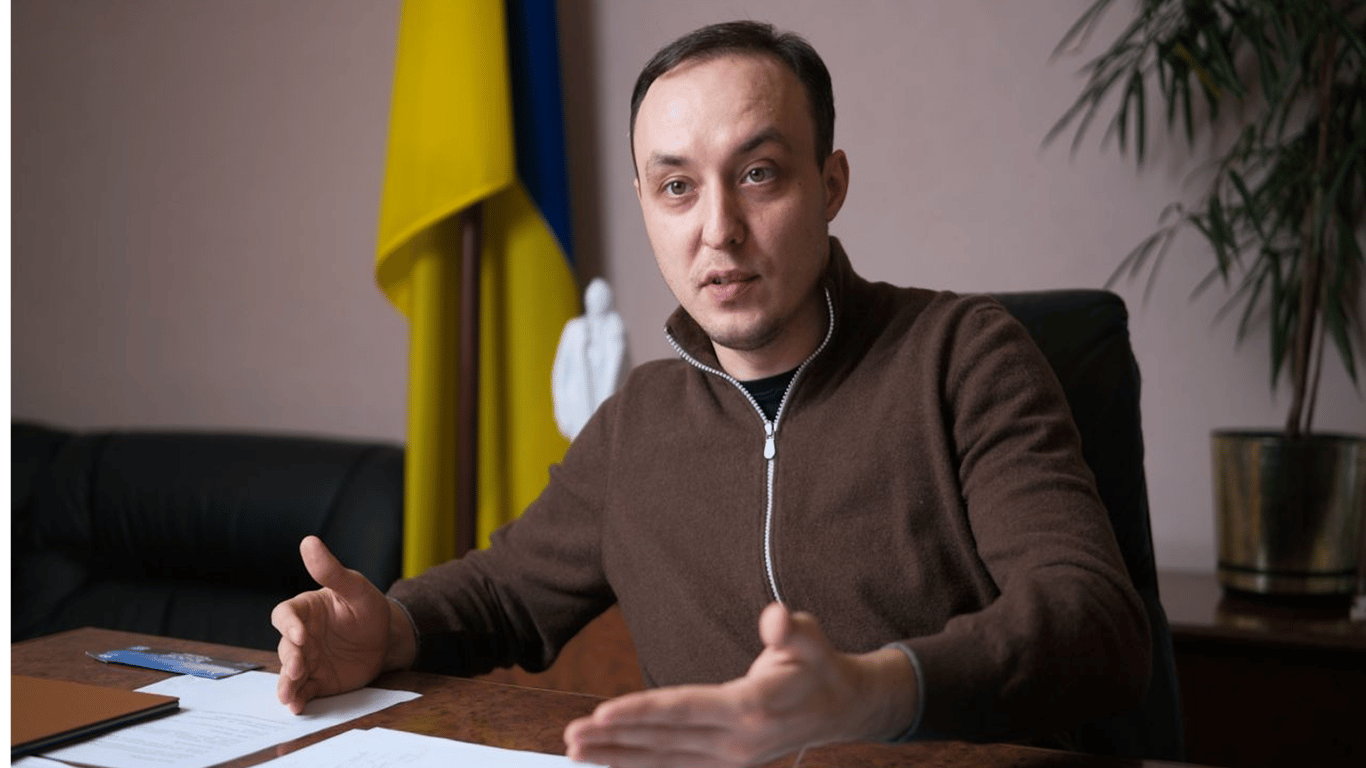
Furthermore, the ombudsman previously urged Ukrainians not to view TCC employees as enemies, emphasizing that the only aggressor remains Russia. He also pointed to the existence of systemic failures in policies that led to the crisis of trust, highlighting the need for actions strictly within the law.
In wartime conditions, it is important to realize that aggression and distrust towards TCC personnel can negatively affect mobilization processes. The support of the army and its combat readiness depends on a systemic approach and responsible attitudes from society. Understanding the role and work of TCC can help strengthen trust and cooperation between state structures and citizens.
Read also
- De-Reservation Cannot Be Canceled by Military Enlistment Offices: What Ukrainian Law Actually States
- Armenia Holds Parliamentary Elections: 18 Political Forces Compete for 101 Seats
- For the First Time Ever: Russian Vessel Carrying Grain from Occupied Lands to Be Handed Over to Ukraine
- Nuclear Weapons Use by 2050 Predicted by Russian Strategists: Report Insights
- London Summit: Zelenskyy and European Leaders Map Out Negotiation Strategy with Russia
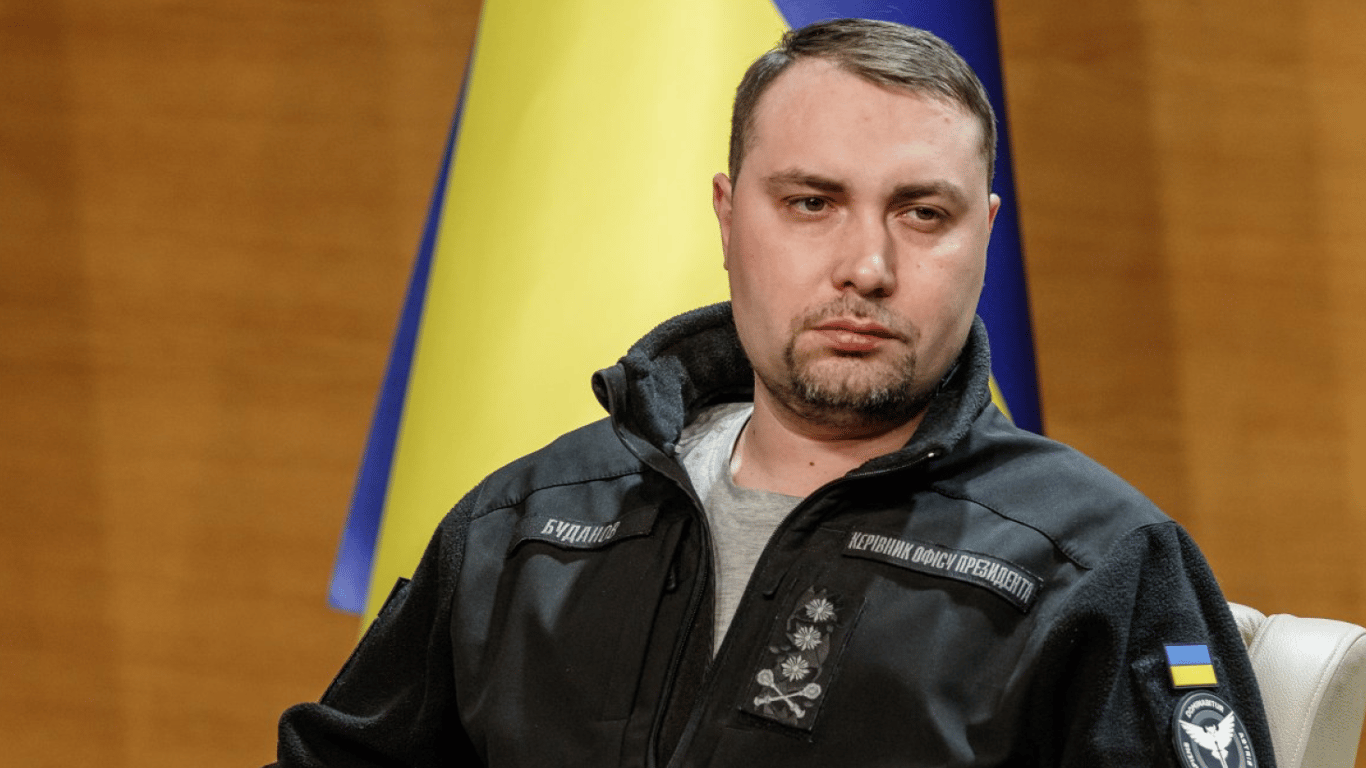
- Budanov Calls Kakhovka Dam Destruction an Act of Ecocide That Demands Accountability