Track II Diplomacy: Expert Unpacks Secret Russia-Germany Talks.

Russia and Germany Meet in Baku: A Closer Look
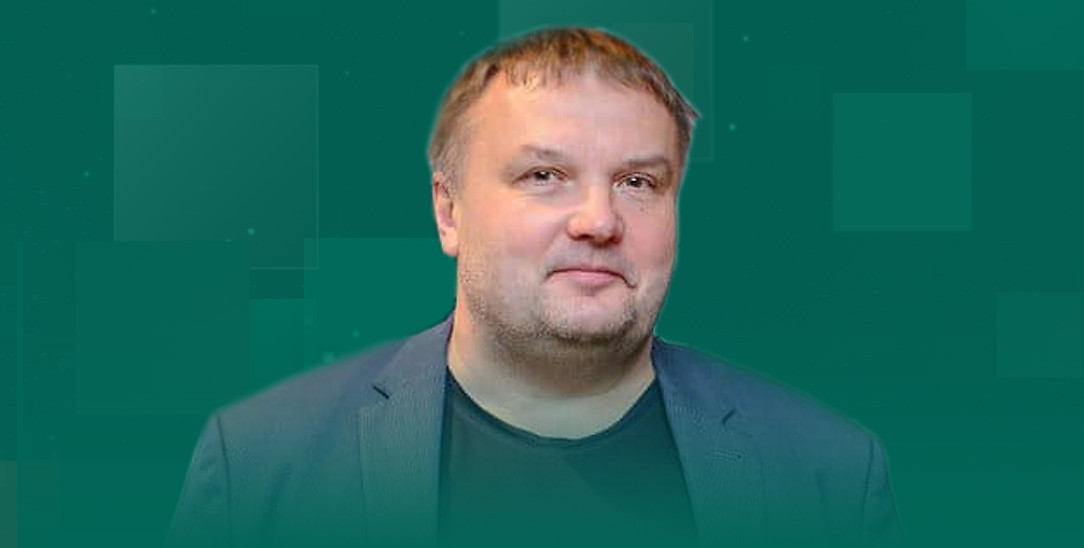
According to Espreso.tv: Political consultant Gleb Ostapenko has weighed in on the recent meeting between Russian and German representatives held in Baku, Azerbaijan. This encounter serves as a case study in Track II diplomacy, a channel where unofficial contacts are leveraged to address sensitive topics, including the war in Ukraine. Ostapenko noted that certain political factions within Germany remain committed to engaging with Russia, echoing the historical approach of Ostpolitik—a policy framework that prioritized dialogue with Moscow during the Cold War era.
Germany's Shifting Political Landscape
According to Ostapenko, members of Germany's Social Democratic Party and former Chancellor Angela Merkel were key proponents of maintaining these ties with the Russian Federation. This indicates that, despite the tense international climate, some German political currents are unwilling to sever discussions with Moscow. The President of Azerbaijan also confirmed that high-ranking officials from Germany and Russia convened specifically to deliberate on the conflict in Ukraine.
Gleb Ostapenko: 'Anyone who follows international politics knows this is standard procedure.'
He further explained that 'senior officials often prefer not to take personal responsibility for technical negotiations.' As a result, such meetings can play a crucial role in preserving communication between nations, even under challenging circumstances. Ostapenko concluded by emphasizing that 'this is a routine practice in global diplomacy.'
The Baku meeting between Russian and German officials highlights ongoing diplomatic efforts amid global crises, particularly the war in Ukraine. Germany's willingness to keep the door open for dialogue with Russia may reflect a desire to sustain communication channels, no matter how strained the situation. It also underscores the value of Track II diplomacy, where informal interactions can create room for resolving delicate matters without direct political accountability. These encounters could prove strategic in stabilizing bilateral relations over the long term.
Read also
- Russia's losses hit a critical tipping point as Ukraine gains the upper hand in the skies
- A 10-Year Horizon: Merkel Forecasts When the War in Ukraine Could End
- New Windows of Opportunity for Ukraine as Putin and Trump Remain Mired in Conflict
- Merkel explains why the Minsk agreements were crucial for Ukraine’s preparedness
- Suspect Held in Germany Over Darknet ‘Death List’ Targeting Scholz and Merkel
- Why the US Denies Ukraine Security Assurances: Insights from Journalist Vitaliy Portnikov