Two BMW Engines That Regularly Surpass 400,000 Kilometers: What Makes Them Last.

BMW's Legendary Powerplants: The M57 and M50
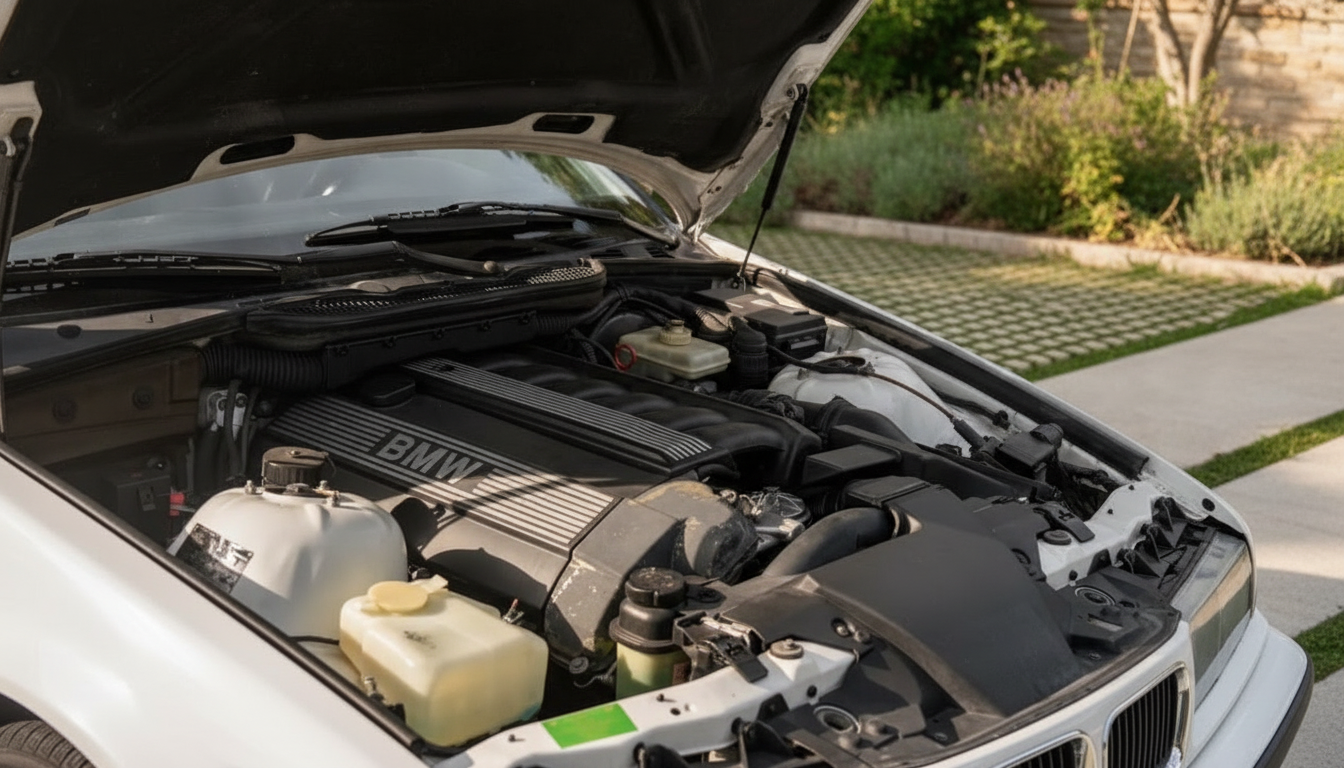
According to Novyny.live: In automotive engineering circles, the BMW M57 and M50 engines have earned legendary status for their durability and longevity. These powertrains exemplify the company's conservative design philosophy from the 1990s, which prioritized robustness over complexity. For context, this era produced some of the most reliable internal combustion engines ever made, with BMW's approach standing out even among German manufacturers.
Both engines are frequently compared to Japanese units from Toyota, known for their own reputation for reliability. The following sections break down what makes each of these BMW motors so exceptional.
Key Features of the M57 and M50 Engines
The BMW M57, a 3.0-liter turbo-diesel, was produced between 1999 and 2002, and later earned Engine of the Year honors in 2009. It can handle torque loads of up to 1,350 Nm, placing it among the most capable engines in its category. Covering over 400,000 kilometers without requiring a major overhaul is standard for the M57, a clear indicator of its exceptional reliability.
The BMW M50, a naturally aspirated gasoline engine, was manufactured from 1990 to 1996. It came in 2.0-liter and 2.5-liter displacements, with power output ranging from 148 to 189 horsepower. For the M50, reaching 300,000 kilometers is considered only the midpoint of its service life, further underscoring its impressive longevity.
Through a strategy of 'intelligent simplicity,' BMW engineered these engines to deliver both outstanding performance and extended service intervals. As the automotive industry transitions into a new era, facing challenges from electrification and tighter regulations, the M57 and M50 remain benchmarks of reliability and build quality.
In essence, the M57 and M50 have set a standard that many automakers still aspire to, proving that well-executed traditional technology can remain relevant even in an age of rapid innovation.
Despite increasing competition from electric and hybrid powertrains, these engines continue to attract enthusiasts who value time-tested dependability and long-term durability over novelty.
Read also
- New York Breaks Ground on 373-Meter Skyscraper: The Second World Trade Center
- NVIDIA Unveils DLSS 5: Three AI Models for Gaming, Launching This Fall
- Ukraine’s Defense Ministry Unveils New Robotic Combat System ‘Mini Strike Serpent’ – Key Details Inside
- Ukraine's Drone Forces Sink 183 Russian Shadow Fleet Vessels, Unleash New Missiles and Strike Crimea
- Ukrainian Firm SkyFall Unveils P1-SUN Jetkiller Interceptor Drone: Key Details Emerge
- World’s First 500 MW Impulse Hydropower Plant Under Construction in China: Trials Succeed