Idling Your Engine: Why Modern Cars Handle It Well and How to Schedule Maintenance.

Idling Your Engine: Why Modern Cars Handle It Well and How to Schedule Maintenance
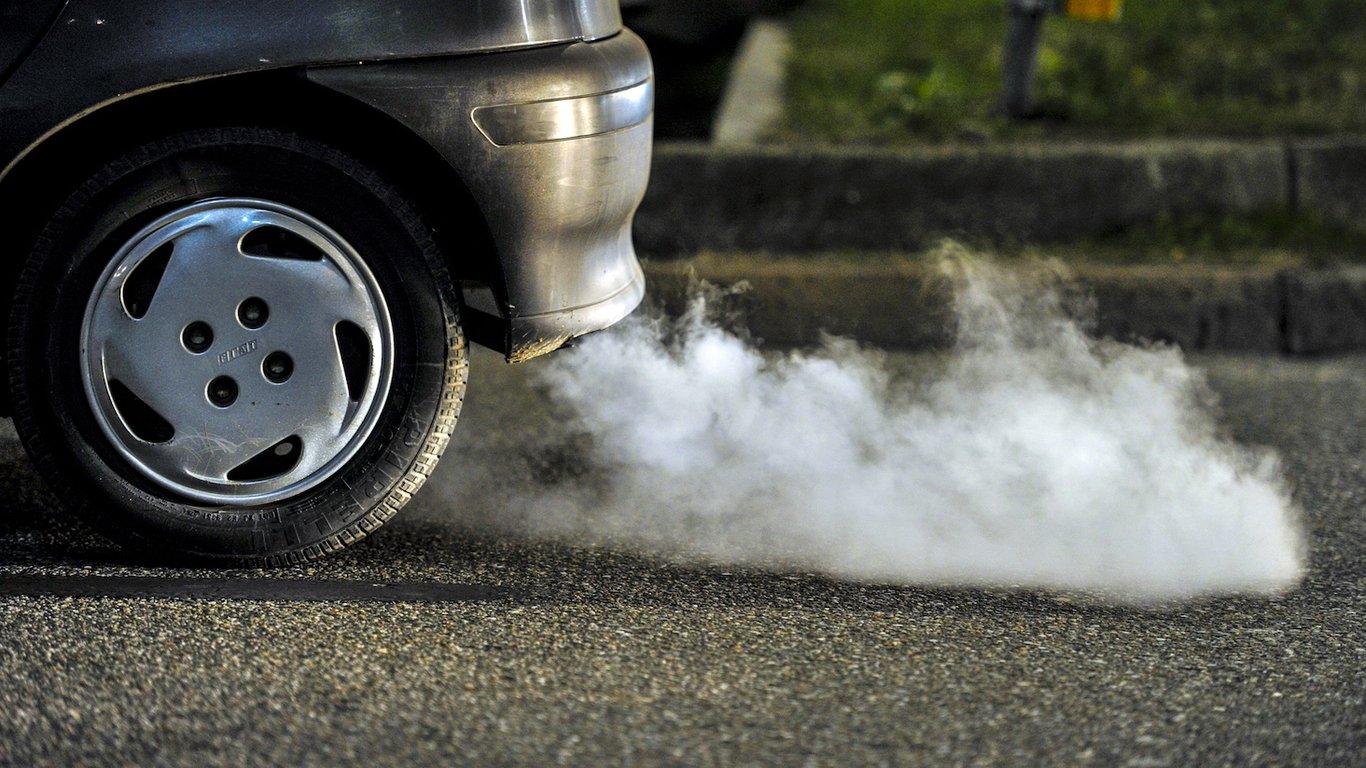
According to Novyny.live: Contrary to common belief, idling your engine at low RPMs does not cause significant wear in modern vehicles. This mode of operation is actually one of the least stressful for an engine's internal components. For drivers in congested urban areas where frequent stops are unavoidable, this offers reassurance about their car's durability.
While idling itself is not harmful, it can contribute to oil degradation due to high temperatures from the exhaust system, making regular maintenance essential. Service intervals should be calculated based on engine hours rather than just mileage. Using high-quality synthetic oil allows an engine to run for 250–300 engine hours. In typical city driving conditions, this equates to approximately 9,000 kilometers.
Recommendations for Drivers
For motorists who frequently encounter stop-and-go traffic, it is advisable to schedule maintenance every 7,000–8,000 kilometers. This proactive approach helps maintain engine health and prevent potential failures. For instance, taxi drivers operating in demanding urban environments have demonstrated that modern engines can achieve up to 500,000 kilometers without a major overhaul, showcasing the resilience of contemporary automotive engineering.
In conclusion, modern engines are designed with the realities of city driving in mind, offering high reliability and efficiency even with frequent stops. Consistent maintenance, monitoring engine hours, and using quality oils are key to ensuring smooth, long-term operation. This is particularly crucial for professional drivers, like taxi operators, and highlights the importance of an informed approach to vehicle care for maximizing its lifespan and performance.
Read also
- Google to Build America's Largest Solar Farm: 2.5 GW Facility to Power Data Centers
- Turn Your Old Phone Into a Smart Display: Inside the New ScreenWall Web Platform
- Speed Record Set by Bombardier Global 8000: Los Angeles to Farnborough in Just 8 Hours 46 Minutes
- A New Augmented Reality Platform Lets You Read and Build 3D Comics
- How Artificial Intelligence Is Unlocking Billions in Real Estate Value
- Ukraine’s Air Defense Gets a Boost: New 'Hot Dog' Drone Takes Down Over 300 Targets