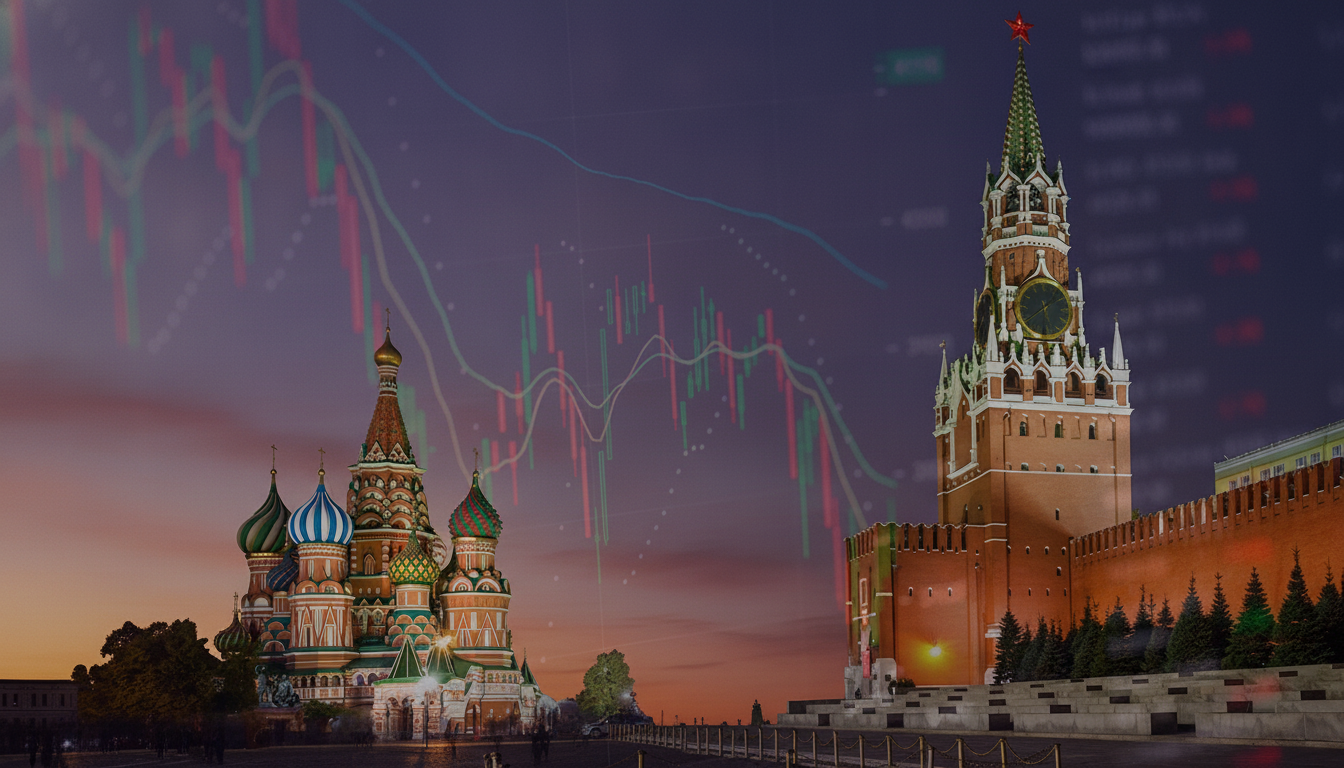
Russia's 2026 Economic Outlook: Plummeting Oil Revenue and Rising Inflation.

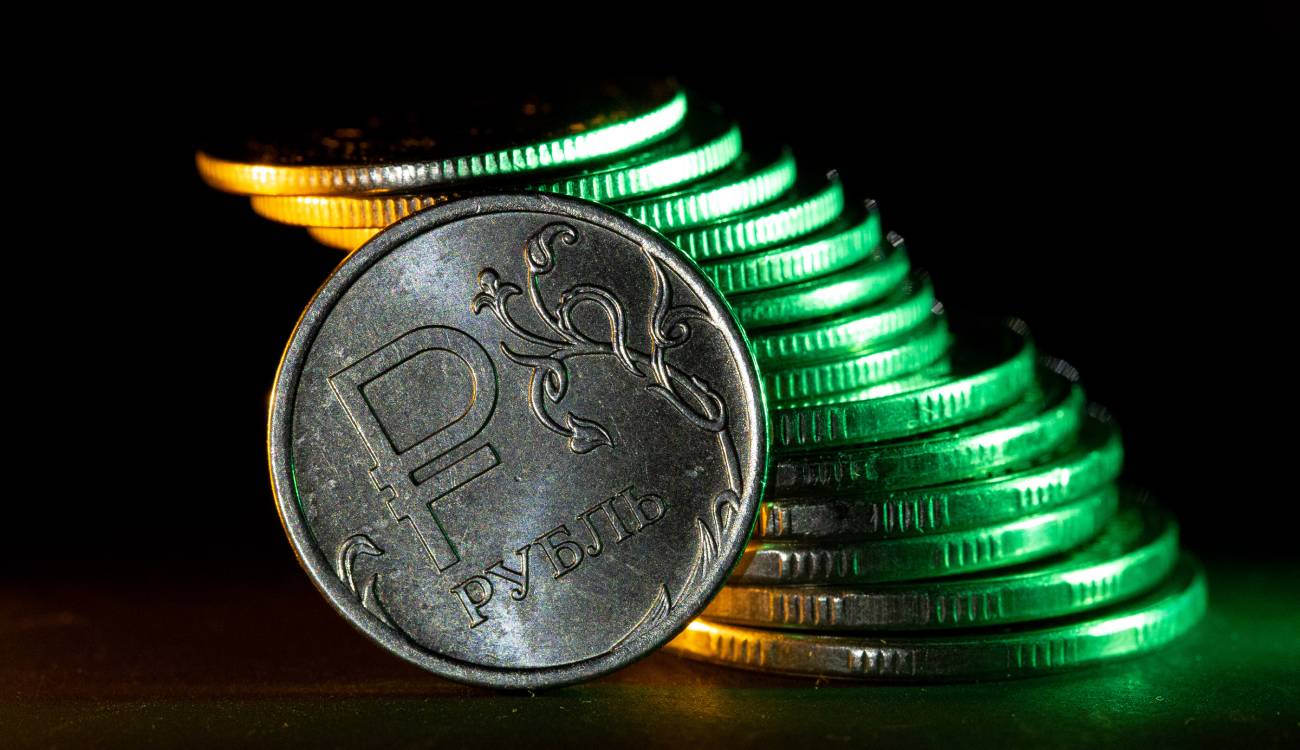
Russia's 2026 Economic Outlook: Plummeting Oil Revenue and Rising Inflation
According to UATV: Russia's economy faces a dual challenge at the start of 2026, with inflation accelerating as revenues from its crucial oil and gas sector decline sharply. This situation underscores the nation's ongoing struggle to stabilize its finances, a task complicated by international sanctions and shifting global energy markets. The country's budget deficit for 2025 reached 5.7 trillion rubles, indicating that financial pressures remain severe despite government efforts to find new revenue sources.
In January 2026, the average daily price increase in Russia was 0.104%. Food prices, in particular, rose by an average of 7.9%, with even steeper hikes observed in specific categories:
- Cucumber prices increased by 21%
- Tomatoes rose by 13.6%
This surge in food costs points to significant difficulties within the agricultural sector and reflects broader economic instability.
Key Factors Impacting the Budget
A primary factor straining the budget is an anticipated 46% drop in oil and gas tax revenues for January 2026 compared to the same month in 2025. Forecasts suggest budget income for January may fall to around 420 billion rubles ($5.41 billion), which would be the lowest figure since August 2020.
The Russian Ministry of Finance is counting on other measures to fill the gap. It expects to raise a significant portion of revenue, approximately 1.2 trillion rubles, from an increase in the value-added tax (VAT) rate from 20% to 22%, which took effect on January 1, 2026. Furthermore, a 'technology levy' on hardware and electronics is planned for introduction on September 1, 2026, aiming to provide additional budget funds.
The combination of rising inflation and shrinking resource income highlights persistent structural weaknesses within the Russian economy.
Consequently, the Russian economy is under pressure from both inflation and falling oil income, forcing the government to seek novel financing methods, including asset sales and the legalization of online casinos. These steps, alongside the introduction of new taxes, signal the serious challenges confronting Russia's economy in 2026. While the government is attempting to adapt to new conditions, the implemented measures may prove insufficient to stabilize the situation. Amid global economic shifts and reduced demand for Russian energy resources, the country must identify new pathways to ensure stability and growth.
Read also
- Russia Sets Record in Gold Sell-Off: What It Signals for the Economy
- Putin’s Economic Claims Exposed as Manipulation by Ukraine’s Disinformation Center
- Rheinmetall to Double Gunpowder Output: What This Means for Ukraine
- Azerbaijan Steps Up as Europe's Energy Alternative: Gas Deliveries to Germany Already Underway
- IMF Demands Utility Rate Hikes as Naftogaz Debt Surges 63%
- 12 Red Flags for Shell Companies Identified by Ukraine's Central Bank: Banks Ordered to Scrutinize Importers