Why Referendums Pose a Risk in Territorial Disputes, According to Economist Kushch.

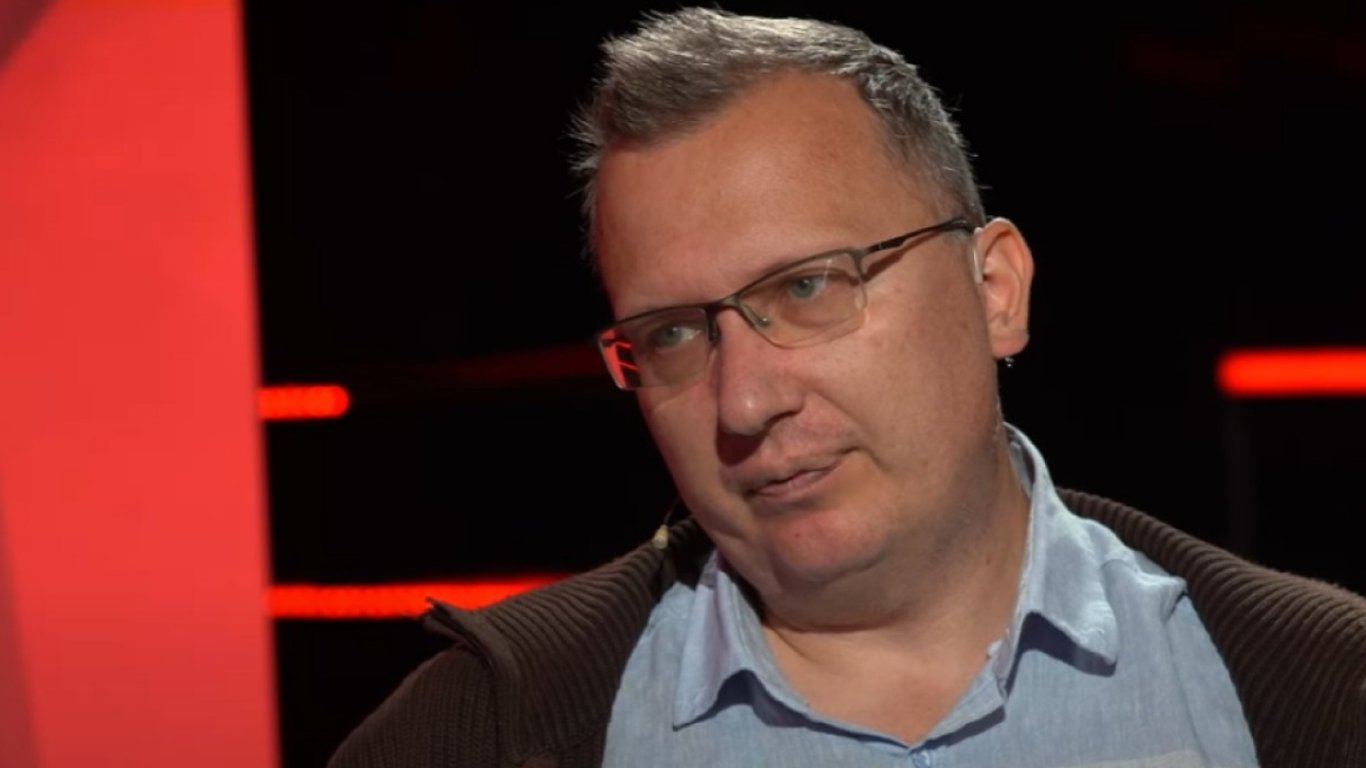
Alexei Kushch's Stance on Territorial Issues
According to Novyny.live: Economist Alexei Kushch has argued that political decisions concerning territorial matters should be made exclusively by state leadership, avoiding referendums which he views as potentially manipulative. According to Kushch, such complex decisions require professional analysis and assessment, elements that can be lost in the context of a nationwide popular vote.
Kushch stressed the importance of political elites taking responsibility for making these difficult choices.
'Political elites must accept this heavy decision on their own—that is the crucial point,' he noted.He emphasized that historical examples, such as the Soviet-Finnish War, demonstrate the importance of decisions being made at the elite level without resorting to referendums.
'When Mannerheim made the decision to end the war through painful compromises, he did not hold a referendum,' Kushch added.
A Strategic Approach to Decision-Making
The economist also highlighted the strategy described by Mannerheim in his memoirs, underscoring that in a conflict between a smaller nation and a significantly larger one, the key strategy is:
- to secure minimal losses at the point of maximum resistance
Thus, Kushch believes that state-level decision-making is a priority for ensuring stability and security, and that referendums could lead to unpredictable consequences. His comments come amid ongoing debates in Ukraine about sovereignty and territorial integrity following the 2014 annexation of Crimea and the full-scale invasion in 2022.
The views expressed by Alexei Kushch highlight the importance of professional expertise in political decision-making, especially in the context of territorial conflicts. In current conditions, where issues of national security and territorial integrity are particularly pressing, the economist's position may find support among those who believe such decisions require deeper analysis than a simple citizen vote. This perspective could influence further debates on the format for making similar decisions in Ukraine.
Read also
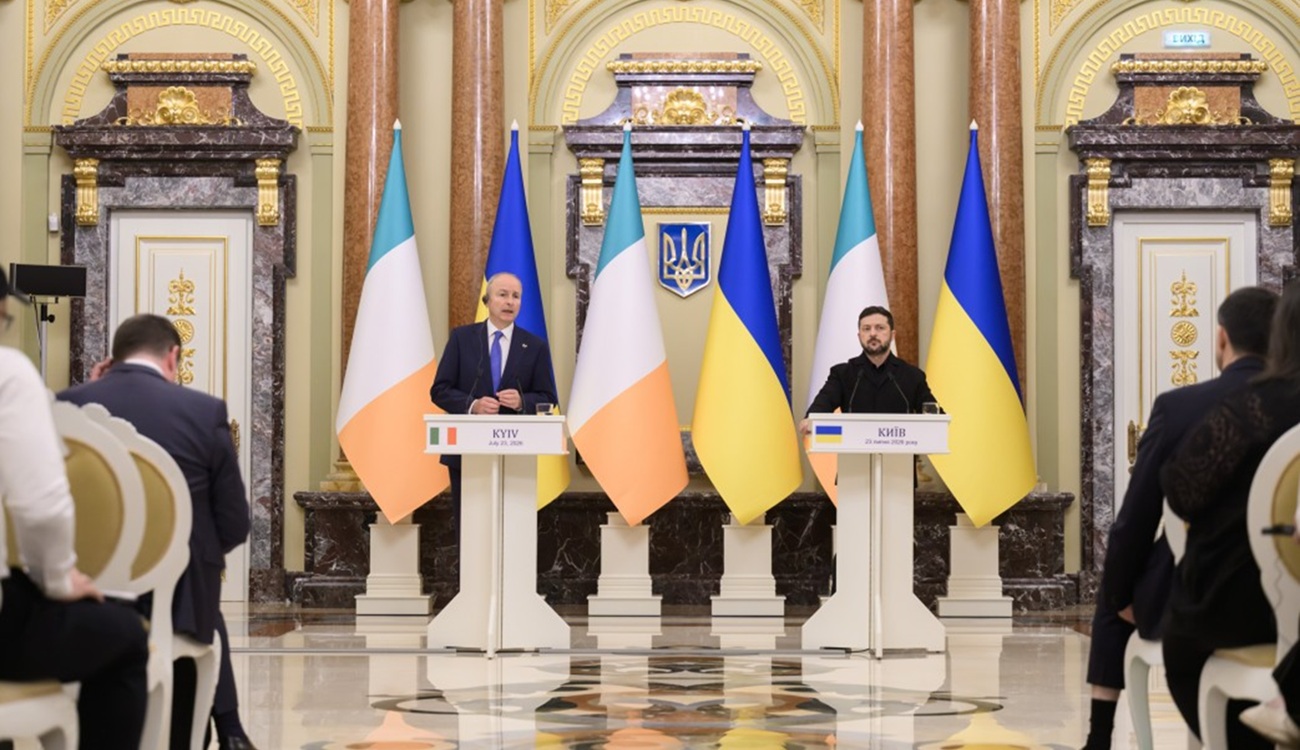
- Ireland Pledges €125 Million to Ukraine: What the New Aid Package Includes
- Next EU Sanctions Package on Russia: Zelenskyy Thanks Brussels for Round 21
- Kremlin Eyes Fresh Mobilization Drive: Up to 500,000 Troops Could Be Deployed to the Front
- EU Ambassadors Approve 21st Sanctions Package: 32 Russian Banks to Lose Transaction Access
- EU Approves €115 Million for Defense Innovation: What It Means for Ukraine
- On the Brink of War Between the U.S. and Iran: Could the Suez Canal Be Disrupted?