Economist Questions Fuel Cashback Program: Who Ultimately Bears the Cost?.

An Economist Weighs In on Ukraine's Fuel Cashback Proposal
According to Novyny.live: Economist Serhiy Fursa has raised concerns about the practicality of introducing a fuel cashback program in Ukraine. He points out that oil prices have climbed sharply since the start of the year, with Brent crude rising from $63 per barrel to $100 per barrel. According to Fursa, such a surge inevitably drives up fuel costs, raising questions about how these programs might affect lower-income citizens.
Average Fuel Prices Across Ukraine
As of March 16, the average fuel prices nationwide are as follows:
- Premium A-95 gasoline: 72.72 hryvnias per liter
- A-95 gasoline: 69.31 hryvnias per liter
- A-92 gasoline: 66.20 hryvnias per liter
- Diesel fuel: 76.76 hryvnias per liter
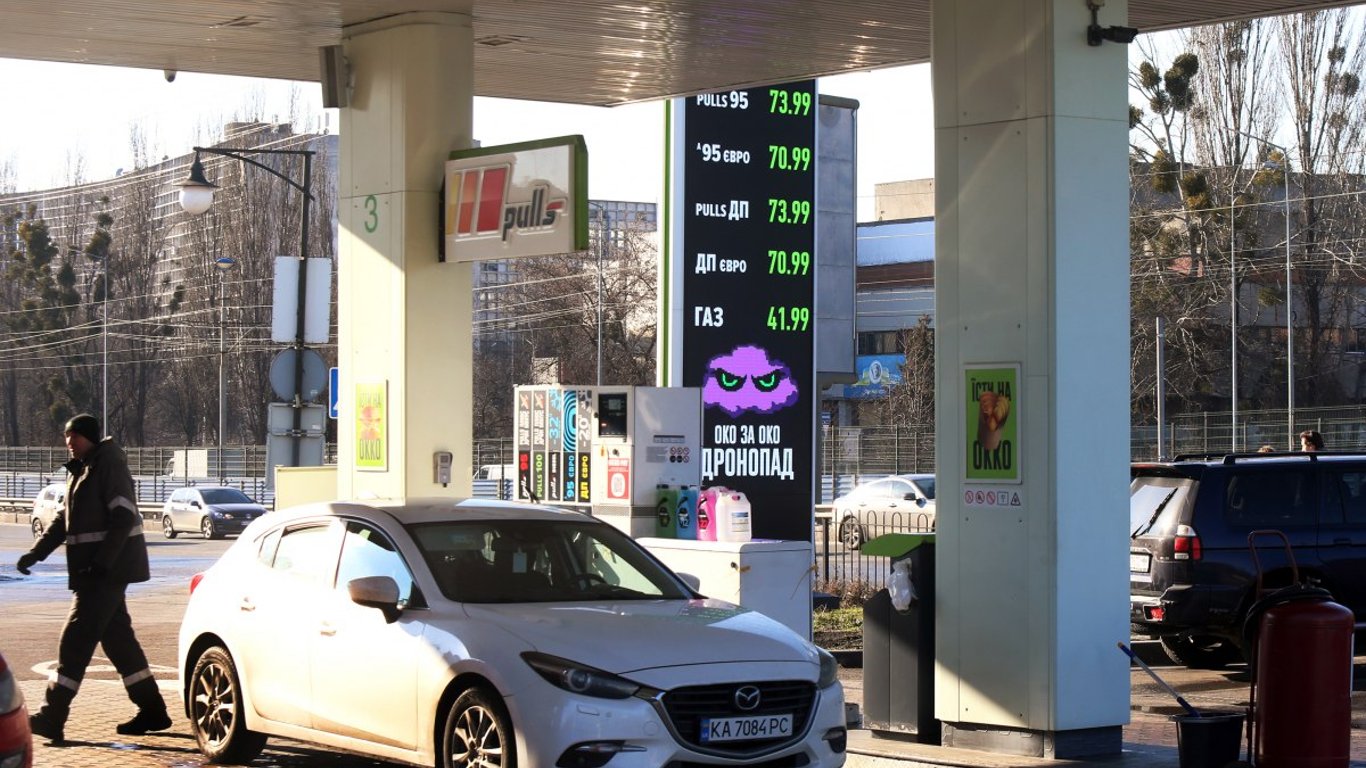
For instance, A-95+ gasoline at OKKO and WOG stations costs 73.99 hryvnias per liter, while A-95 at BRSM-Nafta is priced at 67.69 hryvnias per liter. Diesel at Ukrnafta also sells for 73.99 hryvnias per liter.
The biggest fuel consumers are expensive cars with six-liter engines. So, pensioners who don't own cars and rely on public transport end up subsidizing those who drive Mercedes. Serhiy Fursa
In essence, Fursa argues that 'people without cars will be paying for others—who are clearly wealthier—to drive.'
His position is that cashback programs could worsen the financial situation of poorer segments of the population, who don't use cars but would still indirectly cover the fuel costs of wealthier drivers.
Global oil price hikes are affecting fuel costs in Ukraine, sparking debate among economists about social equity. While cashback programs aim to support motorists, they risk placing an additional financial burden on those without personal vehicles. With rising inflation and increasing prices for essential goods, this issue calls for careful government consideration. Fursa's comments could serve as a foundation for broader discussions on social policy and support for vulnerable groups.
Read also
- Record 324 MW of Wind Power Built in Ukraine in 2025: Here’s Where the New Farms Are
- How Donetsk Once Served as the Heart of a British Colony in Ukraine: The Story of Yuzivka
- Drone Strikes on Refineries Trigger Fuel Crisis in Russia: One in Five Trucks Now Idle
- Russia’s Economy Shows Cracks as Stock Indexes and Business Sentiment Plunge to New Lows
- Russian Billionaire Andrey Melnichenko Shares His Vision for Russia’s Post-War Future
- Fuel Crisis in Russia Exposed by Intelligence: Gasoline Prices Surge by a Third