Euro NCAP Crash Tests Confirm Electric Vehicles Are Safer Than Conventional Cars.

Euro NCAP Crash Tests Confirm Electric Vehicles Are Safer Than Conventional Cars
According to Novyny.live: Recent safety research has confirmed that electric vehicles (EVs) offer superior protection for both passengers and pedestrians. This advantage is largely attributed to their unique electrical architecture, which provides enhanced structural integrity during collisions. Testing on over 100 vehicles, based on Euro NCAP's five safety categories, demonstrated that EVs consistently achieve high safety ratings. This is a significant finding for consumers, as safety is a top priority for most car buyers.
Electric Vehicle Safety Performance
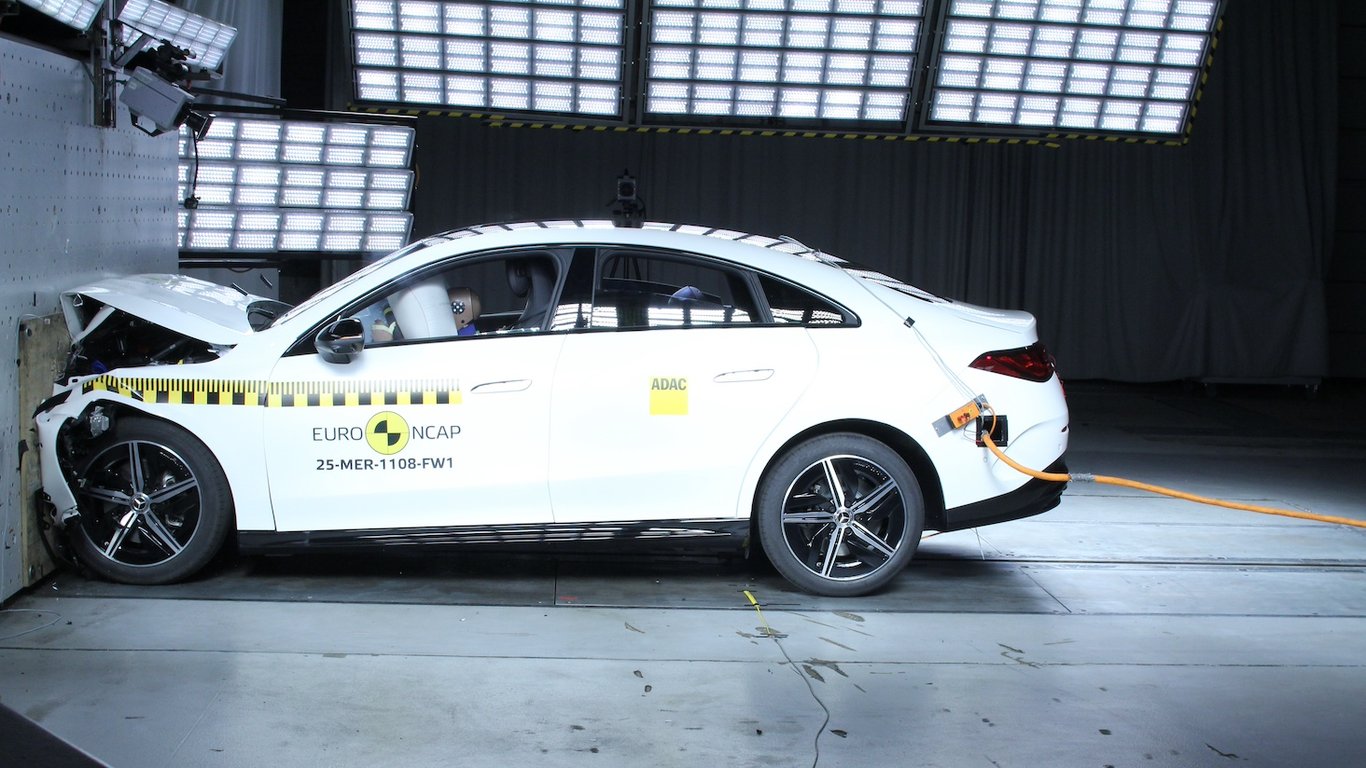
Adult occupant protection scores ranged from 84% to 94%, highlighting substantial progress in safety technology. The electric Mercedes-Benz CLA was named the best compact family car for 2025, achieving 94% for adult protection and 93% for pedestrian safety. The Tesla Model 3 leads the large family car category with a 93% child protection score, while the Tesla Model Y sets the benchmark for safety among compact crossovers.
- In the city car segment, the Mini Cooper E took top honors with an 89% adult protection rating.
- The Polestar 3 was recognized as the safest executive car, indicating growing EV appeal in the business class.
- The Smart #5 confirmed its high build quality and reliable driver assistance systems, making it an attractive urban option.
These Euro NCAP results confirm that electric vehicles provide a higher level of safety compared to traditional internal combustion engine cars, which could significantly influence future consumer choices.
The global rise in EV adoption may be linked not only to environmental benefits but also to the enhanced safety standards they offer. Modern technologies integrated into electric cars contribute not just to reduced emissions but also to greater confidence among drivers and passengers regarding their safety. This could be a decisive factor for those considering a switch to electric mobility, especially within an increasingly competitive automotive market.
Read also
- Snapdragon 8 Elite Gen 5: Qualcomm’s New Chip Targets Sub-$600 Smartphones
- Samsung Unveils Three New Odyssey Gaming Monitors: Specs and Features Revealed
- Plastic Waste Converted into Jet Fuel: New Breakthrough by Chinese Researchers
- First-Ever U.S. Manufacturing of Ukrainian MAGURA Drones: Key Details Emerge
- Google to Build America's Largest Solar Farm: 2.5 GW Facility to Power Data Centers
- Turn Your Old Phone Into a Smart Display: Inside the New ScreenWall Web Platform