Insurer Data Reveals a Paradox: EV Repair Costs Fall While Technical Complexity Climbs.

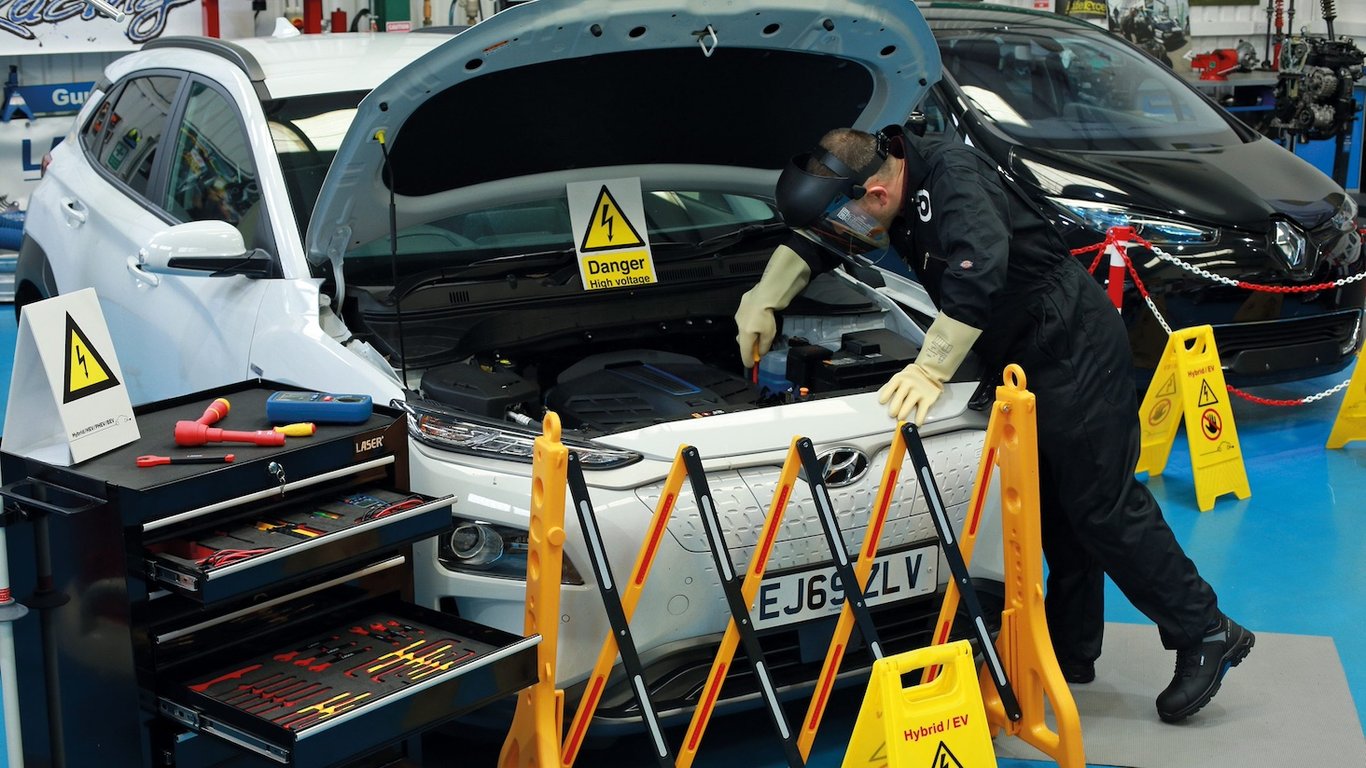
Electric Vehicle Repair Costs Are Dropping
According to Novyny.live: While the price tag for fixing electric vehicles is decreasing, the technical complexity of the work remains high. This trend emerges even as sales of new EV models have dipped slightly. Data from insurers shows a significant rise in claims for these vehicles, with a 14% increase recorded in the United States and a 24% jump in Canada for 2025.
New electric model sales fell by approximately 2%, yet this decline did not prevent the surge in insurance claims. The intricate electrical architecture and abundance of sensors in EVs are primary reasons for repair complexity.
Ryan Mandell explains: 'The dense electrical architecture and high number of sensors in these vehicles require additional diagnostic steps. Complex software and interconnected systems significantly increase the time required for each repair.'
Parts Costs and Calibration Demands
The cost of components remains a major factor. For electric cars, 86% of the parts budget is spent on original equipment manufacturer (OEM) parts, compared to just 62% for gasoline-powered vehicles. Furthermore, only 13% of EV components are eligible for refurbishment. The average EV repair cost in the U.S. has decreased from $6,707 to $6,395, indicating a downward trend in overall repair expenses.
The complexity of EV repairs is further confirmed by calibration data. In 2025, the average number of calibration scans for electric vehicles was 1.70, a higher figure than for hybrids (1.63) and internal combustion engine vehicles (1.54). This underscores that electric cars demand more extensive technical attention after a collision. For context, calibration is a critical post-repair step to ensure advanced driver-assistance systems like automatic emergency braking function correctly.
As electric vehicles gain market share, the reduction in repair costs is a positive signal for consumers. However, the persistently high level of technical complexity remains a significant challenge for owners and repair shops. The rise in insurance claims suggests a need for greater caution in operating EVs, which could influence the decisions of potential buyers. Ultimately, the EV market continues to evolve, but requires ongoing attention to the realities of maintenance and collision repair.
Read also
- Google to Build America's Largest Solar Farm: 2.5 GW Facility to Power Data Centers
- Turn Your Old Phone Into a Smart Display: Inside the New ScreenWall Web Platform
- Speed Record Set by Bombardier Global 8000: Los Angeles to Farnborough in Just 8 Hours 46 Minutes
- A New Augmented Reality Platform Lets You Read and Build 3D Comics
- How Artificial Intelligence Is Unlocking Billions in Real Estate Value
- Ukraine’s Air Defense Gets a Boost: New 'Hot Dog' Drone Takes Down Over 300 Targets