Why Electric Cars Lose Up to 10% Battery Daily: The 'Vampire Drain' Problem Explained.

Energy Loss When EVs Are Parked
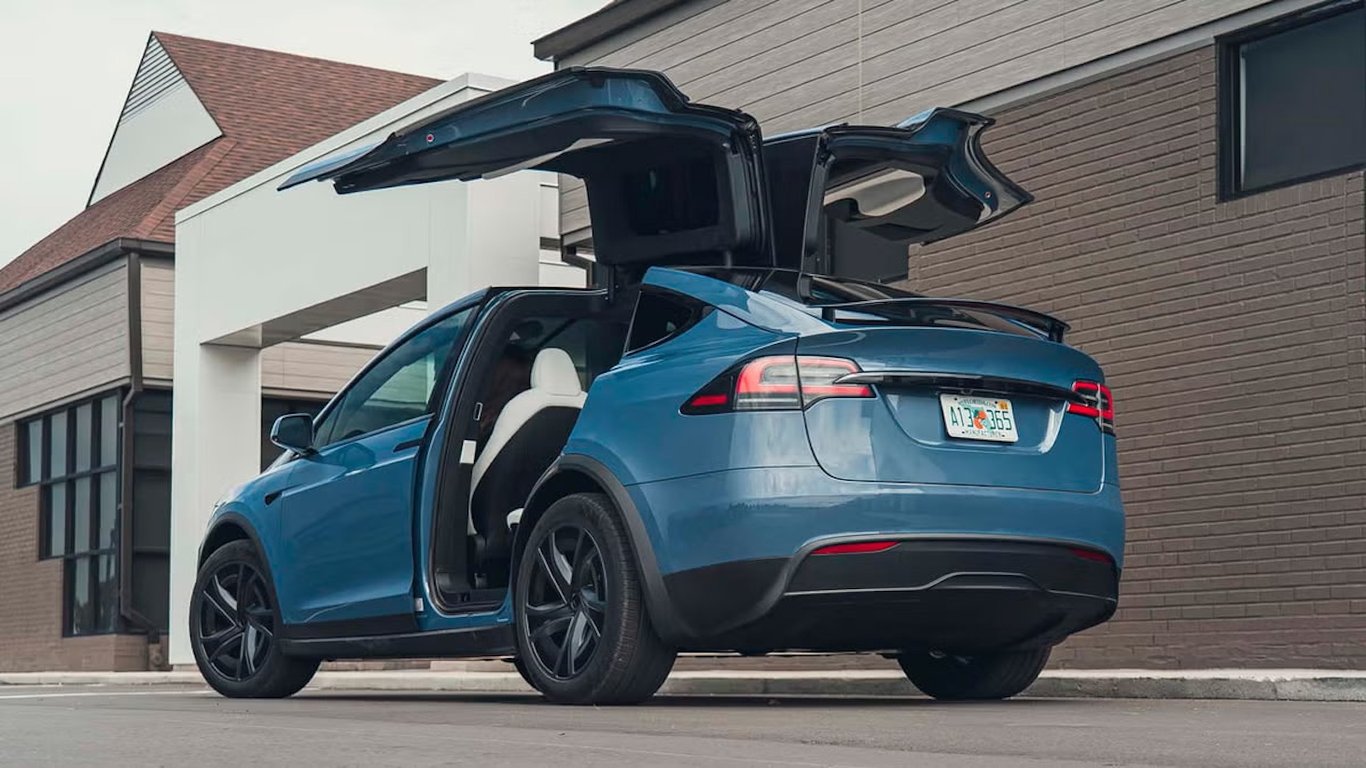
According to Novyny.live: The phenomenon of electric vehicles losing battery charge while stationary—often called 'vampire drain'—is a growing concern for EV owners. In particular, Tesla Model S and Model X vehicles can shed up to 10% of their charge in a single day without being driven. This issue alarms drivers because unexpected battery loss can leave them stranded or unable to start their trip when needed.
Causes and Consequences
A faulty 12-volt battery is a leading culprit, responsible for nearly 45% of roadside assistance calls. EV owners frequently encounter problems tied to battery health, which increases the risk of charge depletion. However, not all EVs are affected equally. For instance, the Mercedes EQS loses only about 1% of its charge per day—a much better performance than Tesla's.
Meanwhile, the Volkswagen ID.3 and Hyundai Ioniq 5 show greater stability in retaining charge. These differences highlight how manufacturers vary in their approaches to energy efficiency. Beyond battery issues, background apps running on the vehicle's system can also drain power, even when the car is not in use.
As a result, vampire drain remains a pressing challenge for EV owners, requiring attention from both automakers and drivers. It is crucial for owners to understand the potential causes of battery loss and take steps to minimize risks associated with this problem.
The rising popularity of electric vehicles brings new hurdles that demand solutions. Consumer awareness of EV maintenance and technical support can significantly improve the ownership experience. In turn, manufacturers must focus on advancing battery technology and reducing energy losses to ensure reliability and meet the expectations of modern drivers.
Read also
- NVIDIA to Skip RTX 60 in 2027, Launching RTX 50 Super Instead
- CATL unveils electric truck battery that charges in just 7 minutes
- Chinese Robot Claims Second Consecutive World Title in Humanoid Football Championship
- Samsung Launches Mass Production of PCIe 6.0 SSDs with Read Speeds Reaching 28.4 GB/s
- Smart Glasses Camera Disabled When Indicator Is Damaged: Meta’s New Privacy Update Explained
- NVIDIA Confirms Rigel Core for Rosa Processors: What to Expect from the Upcoming Lineup