EU Sets 2027 Deadline for Complete Ban on Russian Gas Imports, Backed by Heavy Fines.

The EU's Decision on Russian Gas Imports
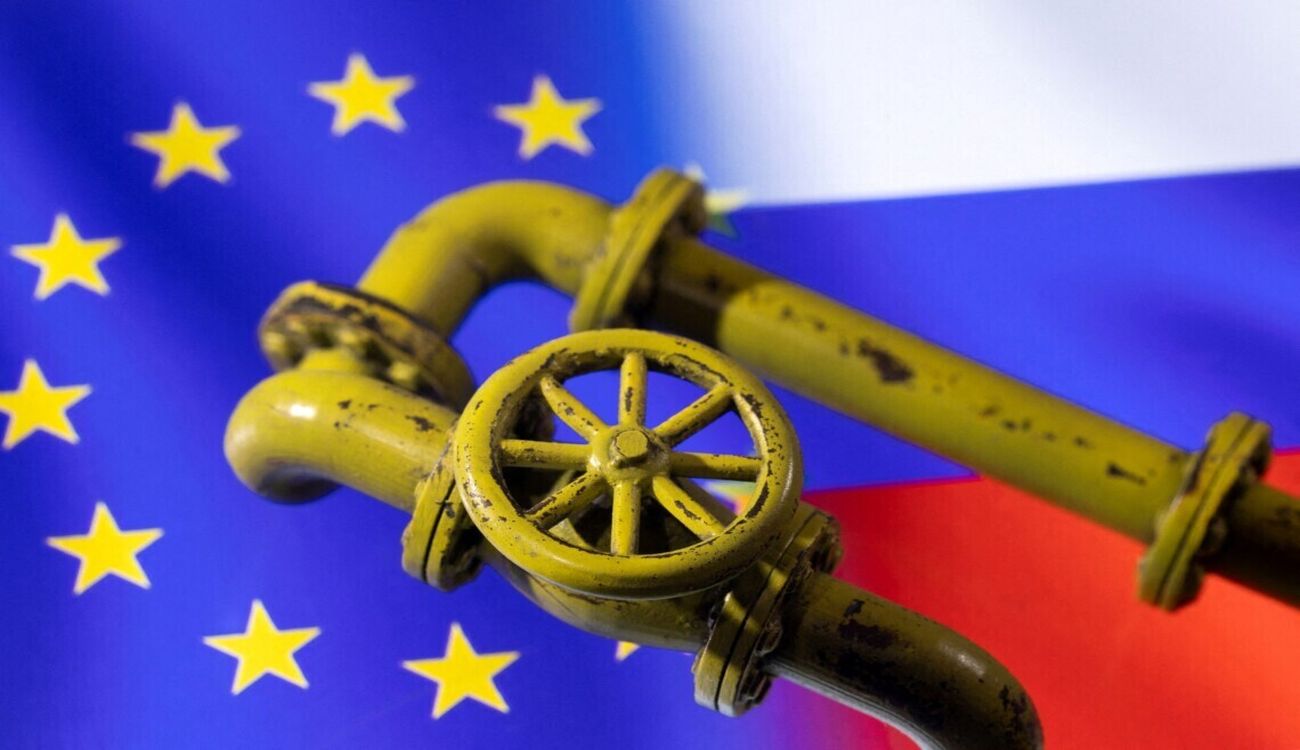
According to UATV: The European Council has formally adopted a regulation that will see the European Union completely cease imports of Russian liquefied natural gas (LNG) and pipeline gas by 2027. This decisive move, which aims to end Europe's reliance on Russian energy, was supported by all EU member states except for Hungary, Slovakia, and Bulgaria.
Under the new rules, the ban on importing Russian LNG will take effect at the start of 2027, while the prohibition on pipeline gas will begin in the autumn of the same year. The regulation also establishes substantial penalties for violations, with fines set at a minimum of €2.5 million for individuals and at least €40 million for companies found to be in breach.
EU Energy Policy and Wider Consequences
In a related economic development, Russia registered only 173,000 new legal entities in 2025, marking the lowest figure in 14 years. Furthermore, Russian civil aviation has begun transporting passengers in cargo planes, indicating significant strain and adaptation within the country's transport infrastructure.
EU representatives have expressed firm resolve regarding this energy policy shift. Dan Jørgensen stated:
“We will no longer allow you to use energy as a weapon against us.”
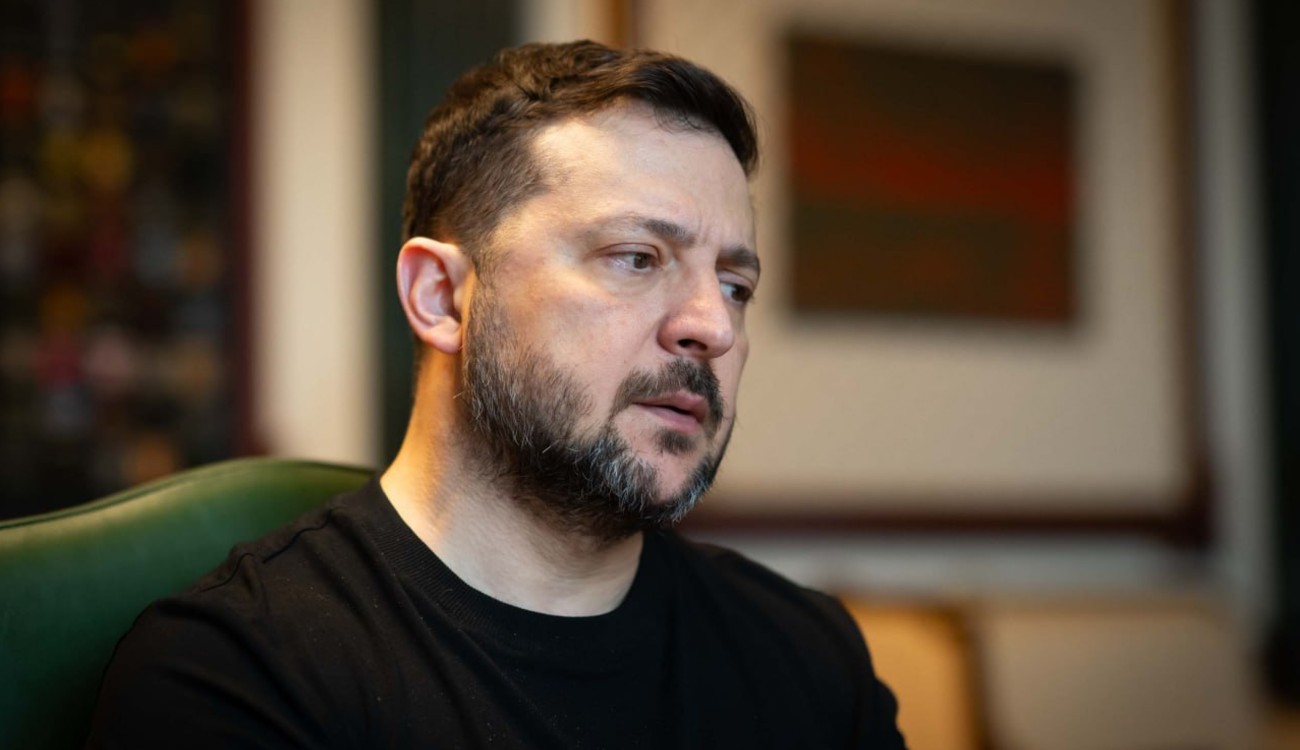
Michael Damianos emphasized that “the EU energy market will become stronger, more resilient and diversified.” Volodymyr Zelenskyy also stressed the need for decisive action, declaring that “Europe must be determined and continue to put pressure on Russia.”
This landmark decision signals a fundamental change in Europe's energy strategy and its drive for greater independence from Russian energy resources. It is likely to have major implications for the continent's energy security, forcing EU nations to secure alternative gas supplies and accelerate investment in renewable energy development. The move underscores the heightened political tensions between Europe and Russia amid ongoing geopolitical challenges, representing a critical step in the bloc's long-term decoupling from Russian fossil fuels.
Read also
- At the NATO Summit in Ankara, Zelenskyy Reports Ukraine Intercepts 90% of Russian Drones and Urges Stronger Air Defense
- Ukraine and Netherlands Sign Drone Deal: What Kyiv Stands to Gain
- Shifting Battlefield Dynamics Prompt NATO to Reassess Support for Ukraine
- Canada Pledges $900 Million to Ukraine for Air Defense and Military Equipment: What the Package Includes
- NATO Summit Sees Zelensky Sign Seventh Drone Deal: Key Provisions Explained
- Portnikov Denounces Zelensky’s Sanctions Against Ukrainians as Legal and Political Folly