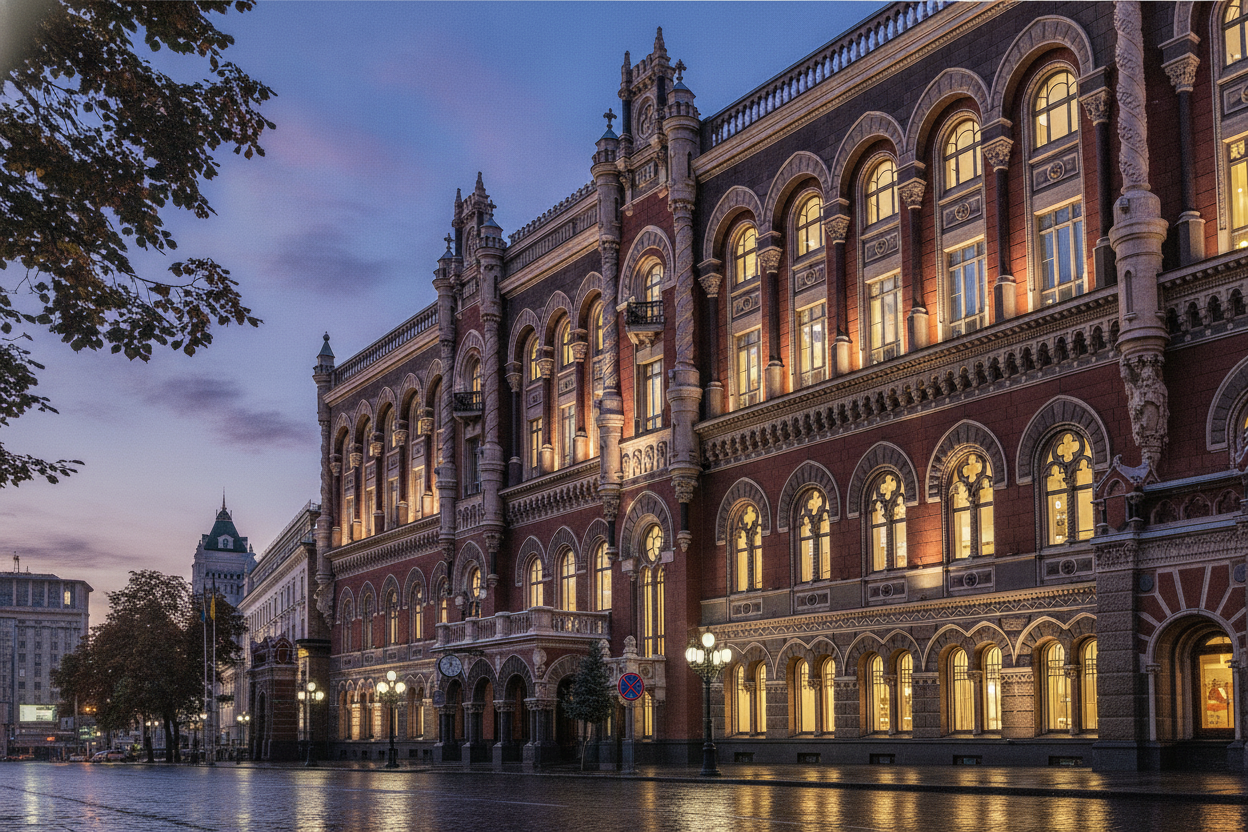
EU Paid Russia $26 Billion in 10 Months, Outpacing Ukraine Trade.

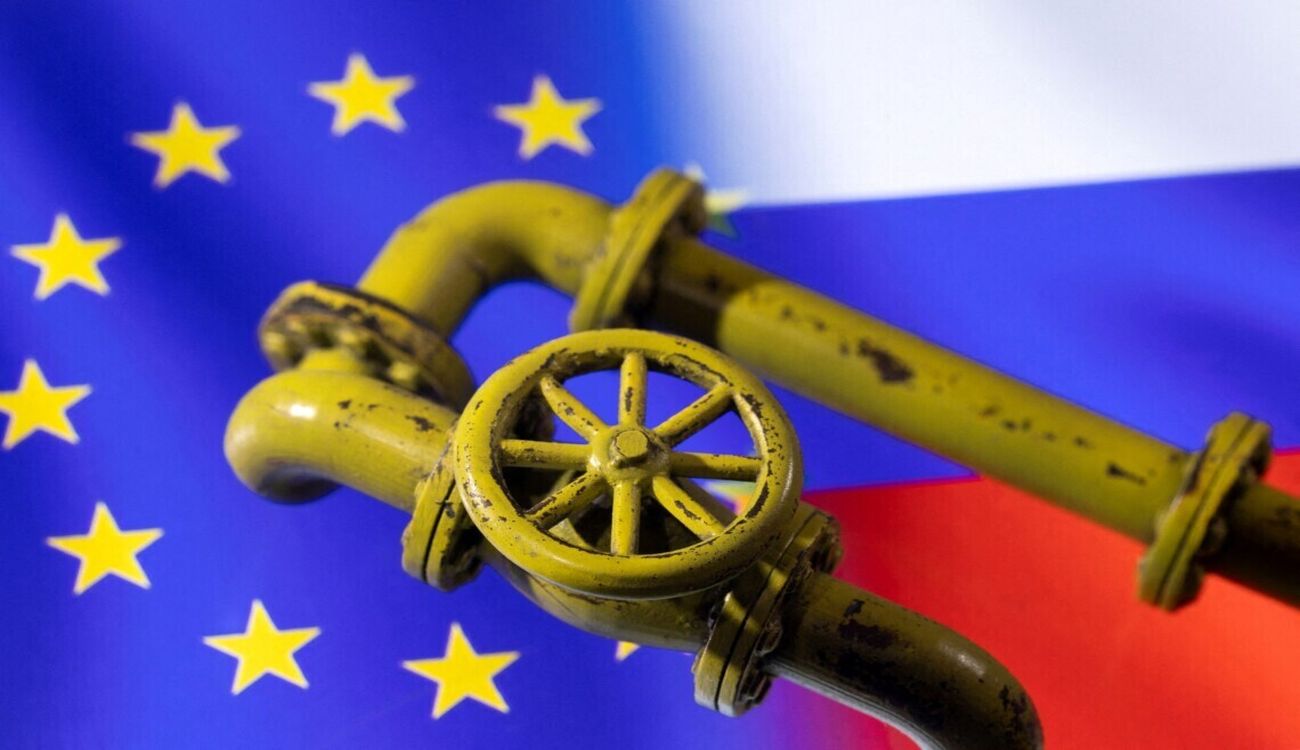
EU Economic Ties with Russia and Ukraine
According to UATV: Over a ten-month period last year, the European Union paid Russia $26 billion for imports. This substantial figure highlights the enduring economic reliance on Moscow, despite widespread political efforts to sever ties following its invasion of Ukraine. For the same timeframe, Ukraine received $21 billion from its trade with the EU. These numbers reveal a significant gap, underscoring that the EU's economic dependence on Russia remains a major challenge, even as it provides support to Ukraine.
EU Plans for Energy Independence
The European Union has outlined a plan to completely cease purchasing hydrocarbons from Russia starting January 1, 2028. However, a full embargo has not yet been implemented. This delay stems from complex factors, including the energy dependencies of specific member states. For instance, Hungary and Slovakia have announced intentions to legally challenge the proposed energy embargo, illustrating the internal divisions and practical difficulties involved in achieving a unified policy.
Expert Ivan Us notes that
"the ties are too great, the EU's dependence on Russia is too significant,"creating numerous obstacles for EU policymakers. He also points to potential alternative energy supply routes, suggesting
"the simplest way is a pipeline from Qatar to the European Union."This indicates an active search for new energy sources that could reduce future reliance on Russia.
Consequently, the trade dynamic between the EU, Russia, and Ukraine remains intricate. It demands careful analysis and the pursuit of strategies to optimize European energy security, while navigating existing economic links. The ongoing war has made this decoupling a top strategic priority, yet the financial data shows it is a gradual process.
Given this data, it is clear that EU-Russia relations continue to be strained by a mix of political and economic factors. Despite concerted efforts to break free from Russian energy resources, current trade realities point to slow progress. Furthermore, the growing urgency to secure alternative energy supplies is likely to shape the EU's future energy policy strategies for years to come.
Read also
- Russia Sets Record in Gold Sell-Off: What It Signals for the Economy
- Putin’s Economic Claims Exposed as Manipulation by Ukraine’s Disinformation Center
- Rheinmetall to Double Gunpowder Output: What This Means for Ukraine
- Azerbaijan Steps Up as Europe's Energy Alternative: Gas Deliveries to Germany Already Underway
- IMF Demands Utility Rate Hikes as Naftogaz Debt Surges 63%
- 12 Red Flags for Shell Companies Identified by Ukraine's Central Bank: Banks Ordered to Scrutinize Importers