Assessing the Impact: The EU's 19 Sanction Packages and Billions in Aid Against Russia.

The EU's Response to the War in Ukraine
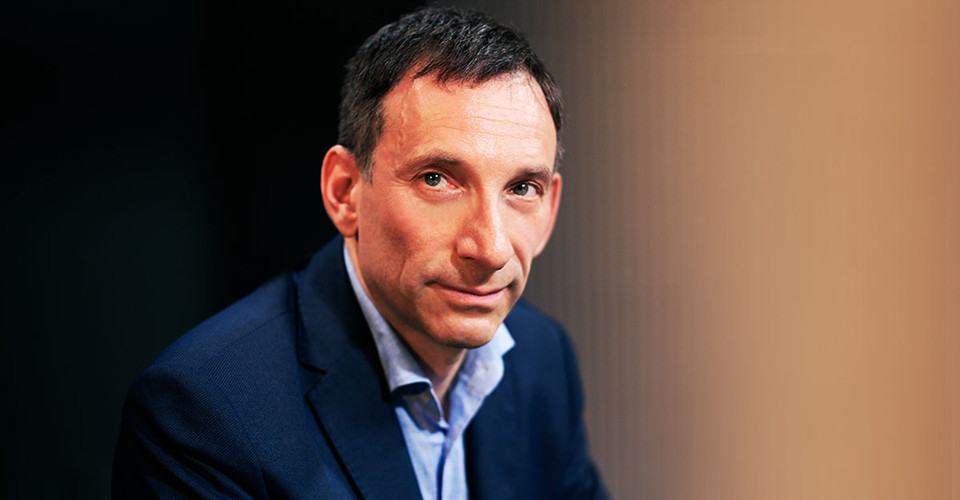
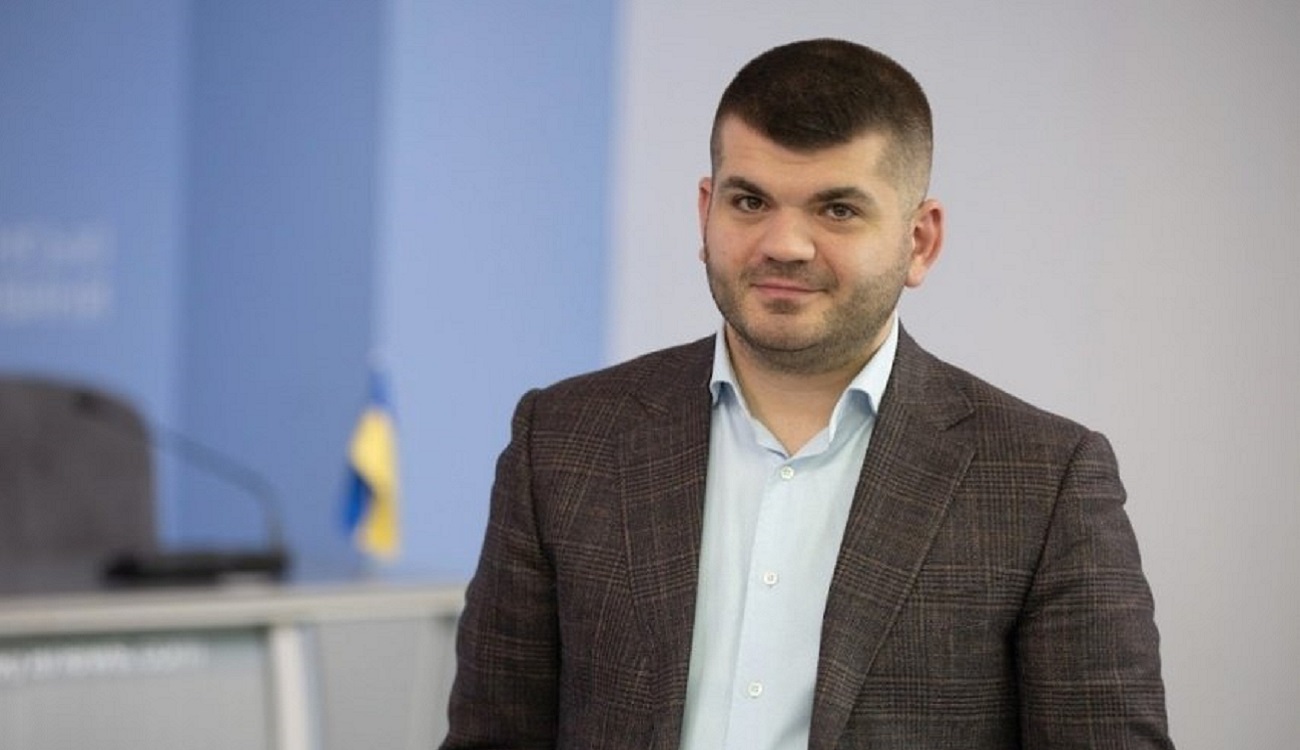
According to UATV: In reaction to Russia's invasion of Ukraine, the European Union has enacted 19 distinct packages of sanctions. This strategy is a core component of a broader policy of support, which has also seen the EU commit hundreds of billions of euros in economic aid and military assistance for Ukraine. According to political analyst Anton Kuchukhidze, Ukraine's security is fundamental to the security of the entire Euro-Atlantic area. The EU's actions represent a significant and sustained effort to counter Russian aggression, marking a historic shift in the bloc's foreign and security policy.
Since February 2022, the EU has slashed its purchases of Russian energy resources by 70-80%, a drastic move aimed at crippling a key source of Kremlin revenue. This effort is part of a wider initiative to reduce Europe's long-standing dependence on Russian energy supplies. However, due to economic necessity, imports of Russian liquefied natural gas have continued, highlighting the complex challenges of fully severing energy ties.
Financial Commitments to Ukraine
Further demonstrating its commitment, the EU is expected to begin disbursing a new €90 billion loan to Ukraine starting in April. This substantial financial package underscores the bloc's pledge to bolster Ukraine's independence and stability. As Kuchukhidze notes, European leaders are focused on ensuring their decisions have maximum impact and are working deliberately to strengthen both Ukraine's economy and its defense capabilities.
"The EU's measures in response to Russia's actions demonstrate not only political solidarity but also economic support, which is critically important at this stage of the conflict." - Anton Kuchukhidze
The EU's proactive stance highlights the crucial role of international backing during an armed conflict. The imposed sanctions and financial aid are designed not only to enhance Ukraine's immediate defense but also to help build a resilient economic foundation for the country's future development. Such steps are reshaping the geopolitical landscape of the region, forging new alliances and systematically reducing Russia's influence over European nations.
Read also
- Feigin Reveals Putin's Litmus Test: When Mobilization Plans Will Become Clear
- Fedorov Leaves Government but Remains a Key Player in Zelenskyy’s Inner Circle
- Mass protests erupt across Kyiv and other cities following Fedorov's resignation
- Hungarian President Resigns After Signing Constitutional Amendment
- France Summons Russia’s Chargé d’Affaires Over Cyberattacks Linked to FSB’s 16th Center
- Trump Threatens Tariffs Against Canada Over Wildfires: Here’s What We Know