EU to Enact Full Ban on Russian Oil Transport: Implications for the Kremlin.

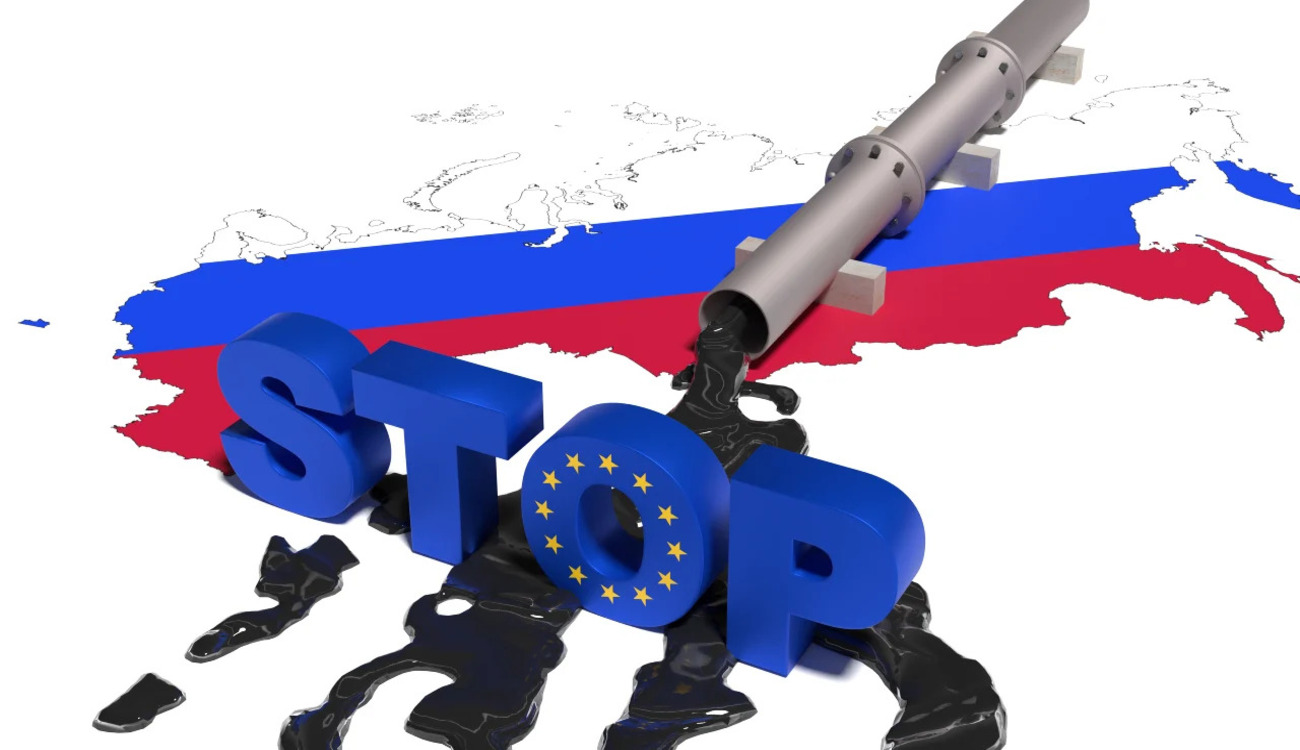
EU Sanctions Target Russian Oil
According to UATV: The European Union is set to impose a comprehensive ban on the transport and insurance of Russian oil by its companies as part of a new sanctions package. This move is designed to sever Moscow's access to global markets, which could significantly impact the Russian economy. Economic expert Ilya Neskhodovsky noted that a prohibition on buying fuel produced from Russian oil in third countries will take effect in the EU from January 21, 2026. These measures represent a major escalation in the economic pressure campaign against Russia following its invasion of Ukraine.
Market Impact of the New Sanctions
These sanctions are part of the 20th package, which includes tightened restrictions in the energy sector. Currently, the ban on transporting Russian oil only applies if the oil price exceeds a set cap. Previously, sanctions were only 60–70% effective due to various exemptions. However, Neskhodovsky states that the new sanctions will finally cripple the aggressor's logistics.
It is also worth noting that Greece previously resisted sanctions but is now likely to agree to the blockade. Meanwhile, the international market is currently oversaturated with oil by 2 million barrels per day. Since November 2022, Turkey has switched to crude from Kazakhstan and Saudi Arabia, and India has begun reducing its purchases of Russian oil.
Overall, the implementation of the new EU sanctions could have serious consequences for the Russian economy and its oil industry, which is a crucial source of revenue for the Kremlin.
The implementation of the new EU sanctions could significantly alter global oil market dynamics, as the absence of Russian oil may lead to price increases in other regions.
Economic expert Ilya Neskhodovsky
This also creates new opportunities for alternative suppliers seeking to fill the vacated market niches. At the same time, a reduction in Russian budget revenues from oil exports could provoke economic difficulties in a country already feeling the effects of other international sanctions. Thus, the execution of this sanctions package may have long-term consequences for geopolitical stability in the region.
Read also
- Russia Sets Record in Gold Sell-Off: What It Signals for the Economy
- Putin’s Economic Claims Exposed as Manipulation by Ukraine’s Disinformation Center
- Rheinmetall to Double Gunpowder Output: What This Means for Ukraine
- Azerbaijan Steps Up as Europe's Energy Alternative: Gas Deliveries to Germany Already Underway
- IMF Demands Utility Rate Hikes as Naftogaz Debt Surges 63%
- 12 Red Flags for Shell Companies Identified by Ukraine's Central Bank: Banks Ordered to Scrutinize Importers