EU Shifts Stance on Frozen Russian Assets, with 90% Backing Their Use for Ukraine.

EU Policy Shift on Frozen Russian Assets
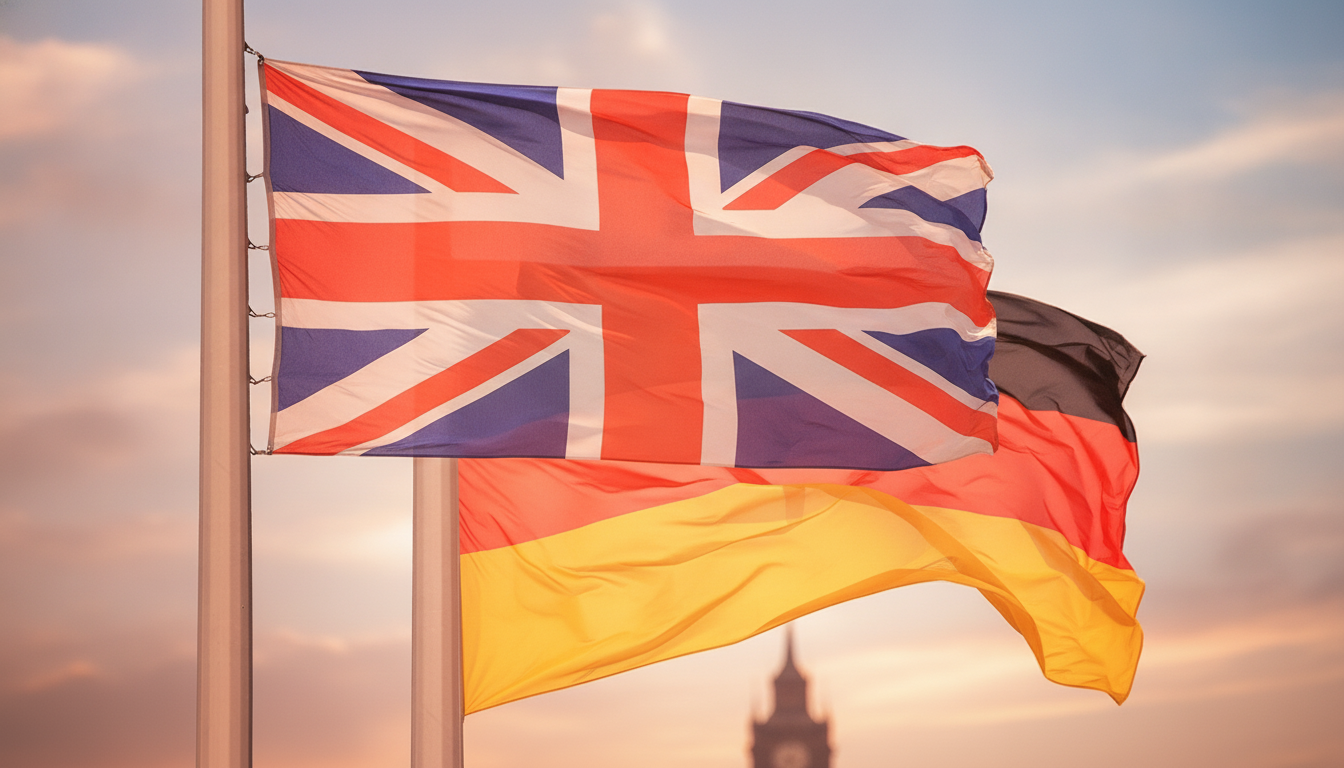
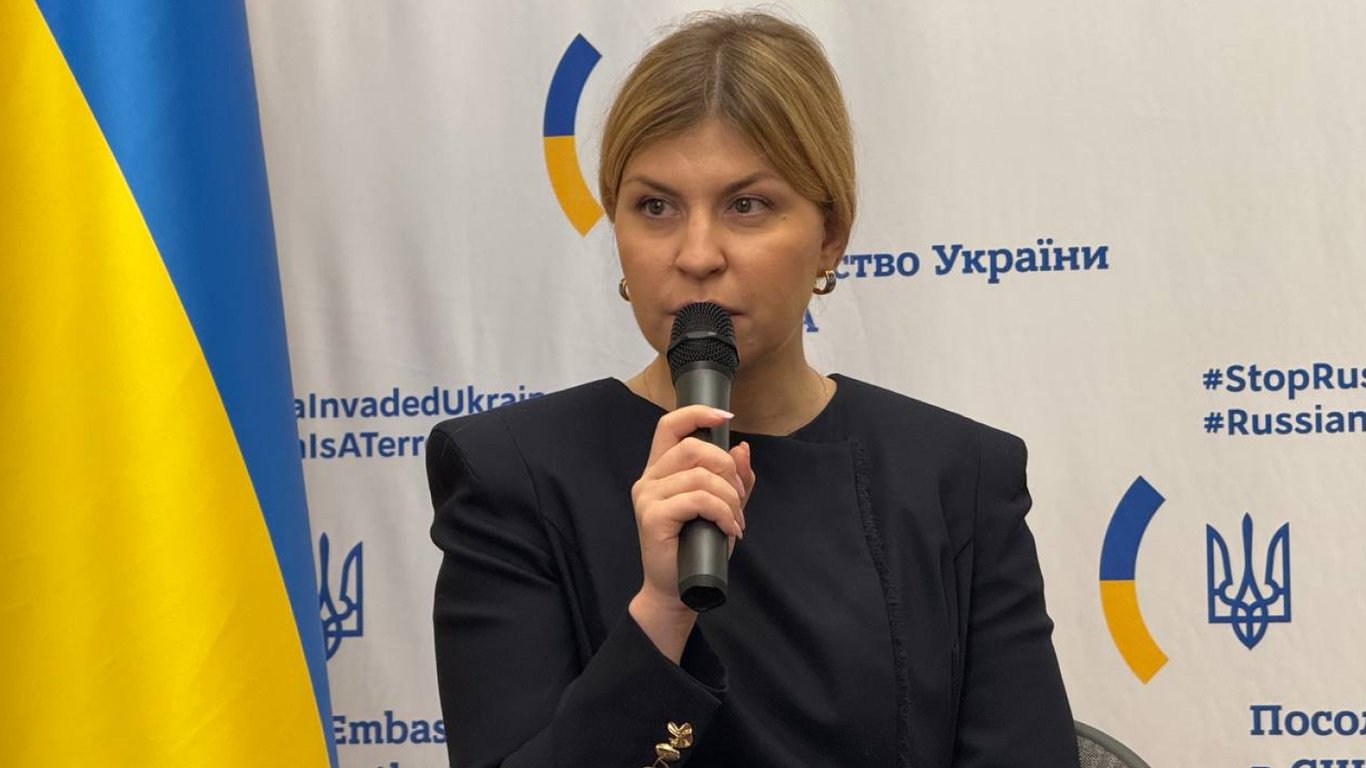
According to Novyny.live: Olha Stefanishyna has announced a significant change in the European Union's approach to using frozen Russian assets for Ukraine's reconstruction. She stated that approximately 90% of EU member states now support this initiative, viewing these resources as a potential means to aid the country's recovery. This marks a departure from the previous requirement, where all 27 EU nations had to reconfirm the asset freeze every six months to maintain it.
New Terms for Asset Freezes
Under the new terms, frozen assets will no longer need to be reconfirmed at set intervals. This decision was announced during a briefing on February 24. Olha Stefanishyna emphasized that assets under EU jurisdiction cannot be unfrozen through the standard procedure. The move comes as Western nations explore legal avenues to fund Ukraine's defense and rebuilding without direct taxpayer burdens.
'There is a broad understanding among roughly 90% of EU countries that these are resources which should be directed toward Ukraine's recovery.' Olha Stefanishyna
While the specific use of the frozen assets is not currently under discussion, and a final decision on their deployment has not yet been made, Stefanishyna assured that the funds are well-protected, concentrated, and will remain completely secure until the appropriate time for a final decision arrives. It is also noteworthy that in December of last year, Russian President Vladimir Putin reacted to the potential use of Russian assets with threats, underscoring the high stakes of the issue.
Consequently, the EU's policy shift on frozen Russian assets could become a crucial step in Ukraine's recovery process, demonstrating the support EU nations are prepared to offer during this challenging period. Importantly, the new approach to the asset freeze potentially opens new avenues for financing reconstruction, which is critically important for the country's stability and post-conflict development.
Read also
- Russia Planning a New Fall Mobilization: When Recruits Could Reach the Front Lines
- Feigin Reveals Putin's Litmus Test: When Mobilization Plans Will Become Clear
- Putin Now Acknowledges Ukraine's Strength, Says Former Polish Defense Minister, Marking a Turning Point in the War
- Zelenskyy on the Hunt for a New U.S. Ambassador After Svyrydenko Turns Down the Role
- Feigin Reveals Who Arranged Melnychenko's Interview and Why Russian Oligarchs Are Fleeing
- Putin’s Approval Rating Plunges to 66% as Russia’s Fuel Crisis Worsens