Estonia to Suspend Nighttime Border Traffic with Russia for Three Months.

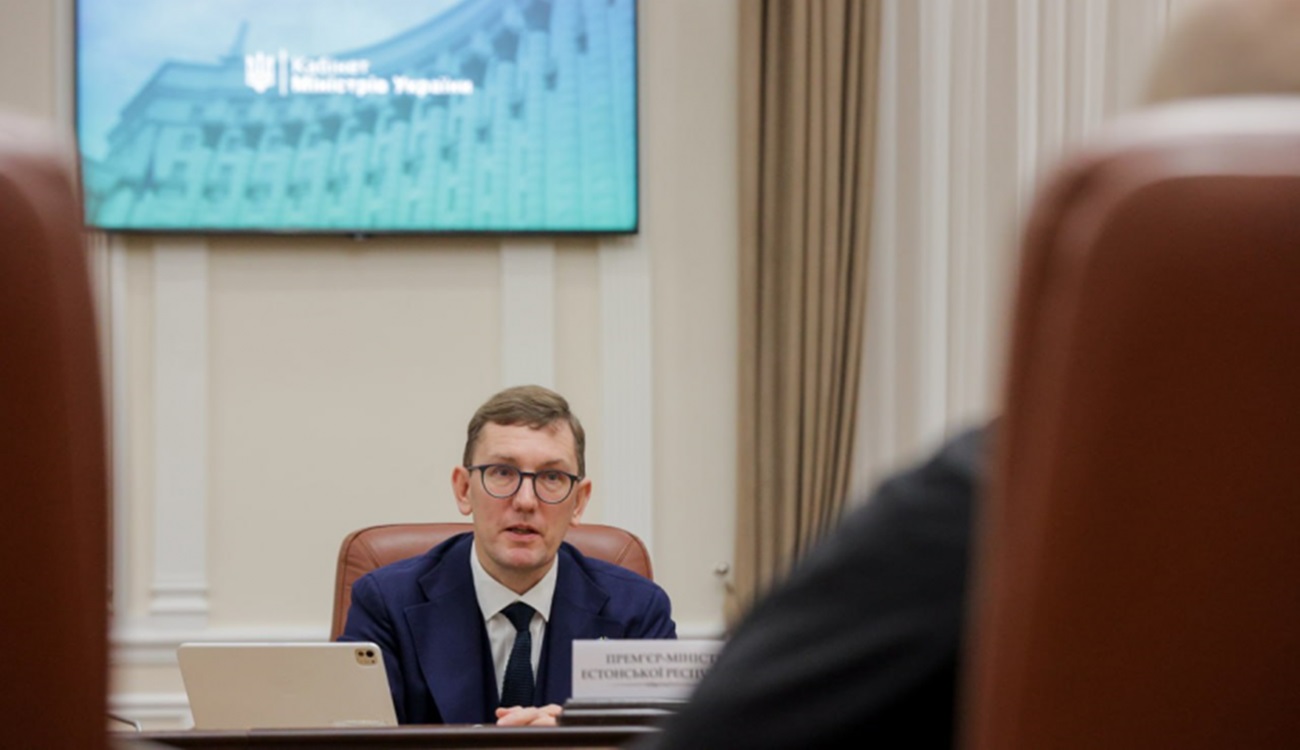
Nighttime Border Crossings Halted
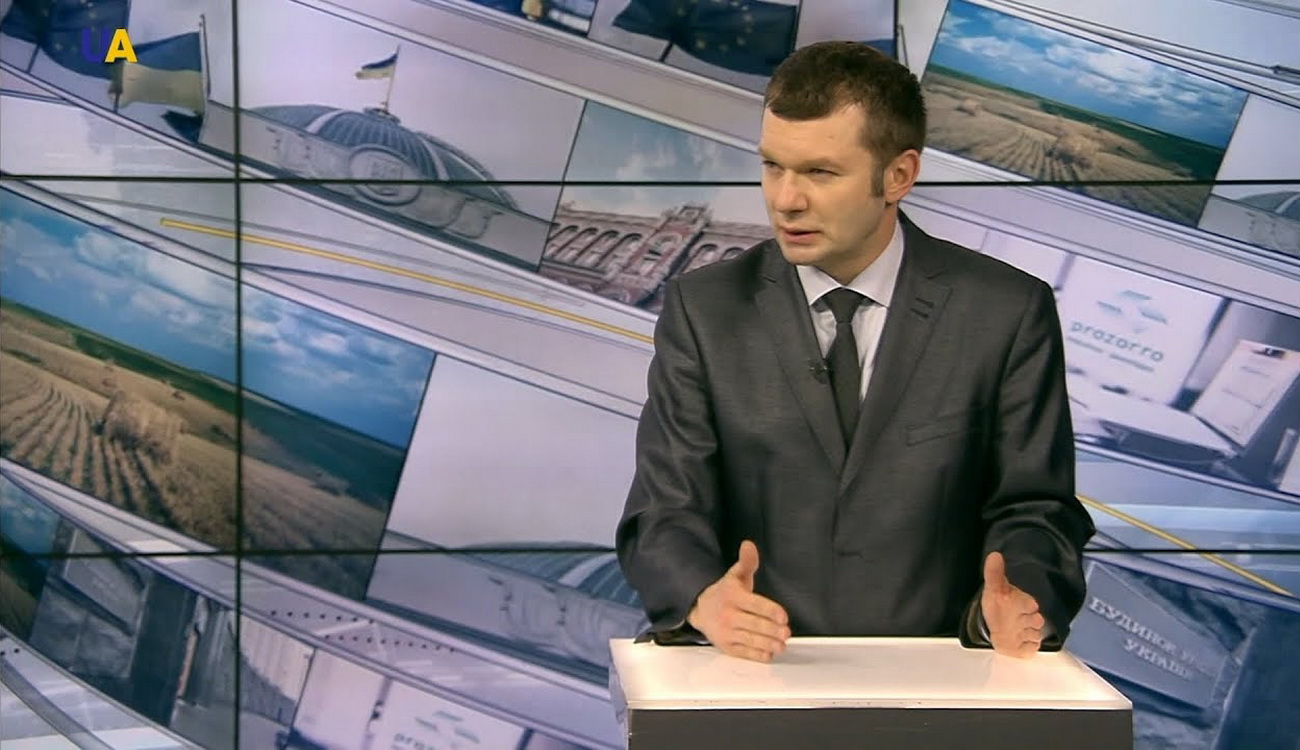
According to UATV: Estonia will close two border crossing points with Russia at night for a three-month period, citing provocations by Russian border guards. The restrictions will take effect on February 24th. This move is designed to allow for more effective control of the border situation. Estonia, a NATO and EU member, is taking this step to bolster its frontier security amid regional tensions.
The nighttime closures will affect the 'Luhamaa' and 'Koidula' crossing points. These posts will operate for 12 hours during the day, enabling Estonian border personnel to concentrate their efforts on the most vulnerable sections of the frontier. Estonian Interior Minister Kristjan Michal noted that reducing operating hours will allow for more attentive monitoring of other border areas.
Implications for Border Security
Igor Taro, a representative of the Estonian Border Guard, emphasized that by cutting nighttime hours at the crossings, the country can deploy its officers more efficiently where they are most needed. This decision is a response to growing security challenges on the border with Russia.
“Estonia’s decision is part of a broader strategy to strengthen border security in response to provocations from Russia,” - Igor Taro.
While the travel restrictions may impact commercial and tourist links between the two countries, Estonian authorities believe ensuring security is the current priority. Such steps also highlight the importance of international cooperation on border security in an era of increasing geopolitical strain.
Read also
- EU Adopts 21st Sanctions Package Against Russia: What It Means for Oil and Banking
- Zelensky Warns of Black Sea Grain Corridor Blockade as Ukraine Calls UN Security Council Meeting
- EU sanctions on Russia slow down as member states prioritize economic interests
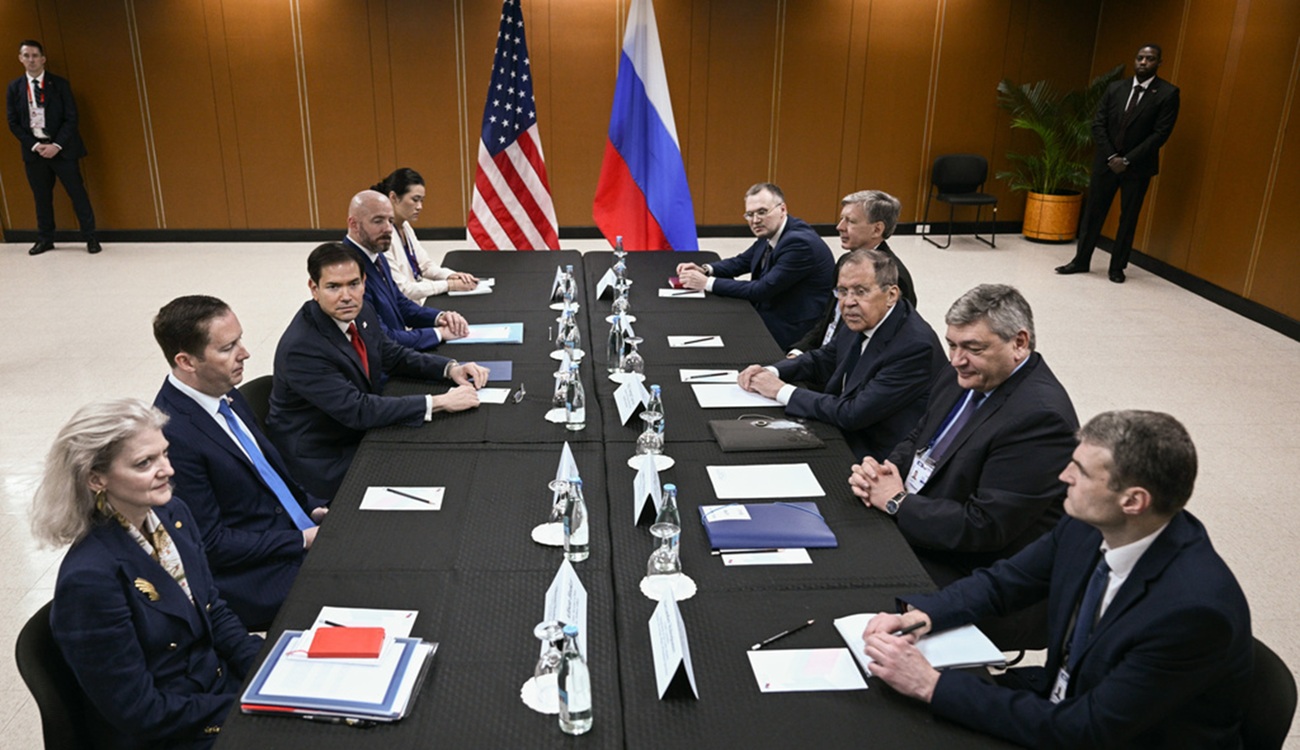
- A 35-Minute Manila Meeting Between Rubio and Lavrov Puts Ukraine War at the Center of Talks
- Latvia Moves to Ban Imports from Russia and Belarus: Here's What Will Be Blocked
- Poland Faces Thousands of Daily Cyberattacks from Russia, Deputy PM Calls It Hybrid Warfare