How Adding 'Taiwan' to Its Passport Redefined the Island's Identity.

Shifts in Taiwan's Self-Perception
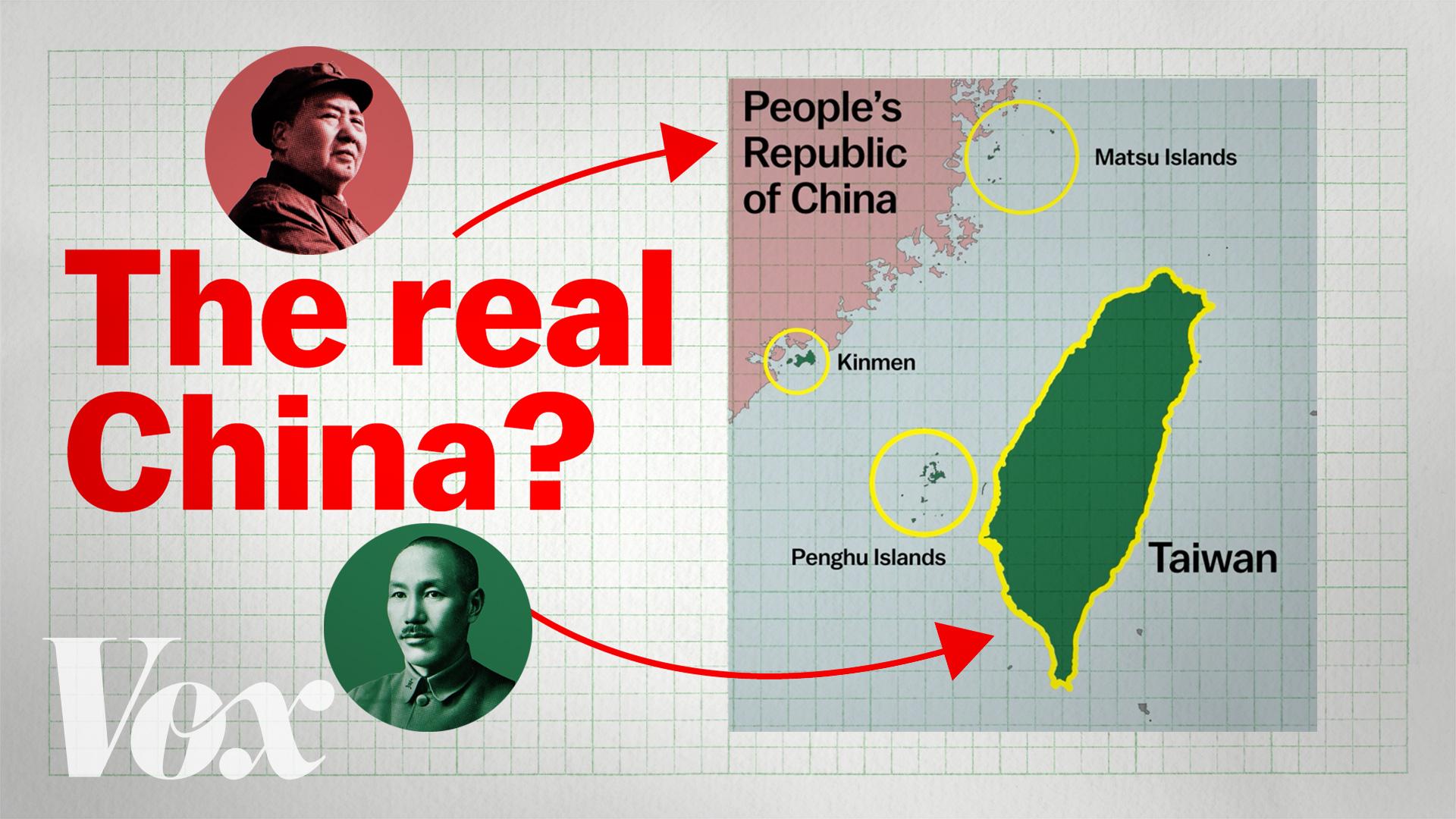
According to Vox - Загальний: Taiwan's passport has become a mirror reflecting pivotal historical moments that reshaped how the island sees itself. Key events—from the Republic of China's expulsion from the United Nations, to President Richard Nixon's 1972 visit to China, and the 2003 decision to include the word 'Taiwan' on the Republic of China passport—have each played a crucial role in forging a modern Taiwanese identity. For an English-speaking audience, understanding this evolution sheds light on the island's complex geopolitical standing and its ongoing struggle for international recognition.
The Republic of China's ouster from the UN marked a significant turning point in its global standing. This move profoundly impacted Taiwan's status on the world stage and its sense of self. In 1972, President Richard Nixon's trip to communist China ushered in a new era in cross-strait relations, further altering international perceptions of Taiwan and its political positioning.
Symbols of Taiwanese Identity
A landmark step in Taiwan's identity development came in 2003 with the addition of the word 'Taiwan' to the Republic of China passport. This decision symbolized a shift in national consciousness and a growing desire for self-determination among the island's population. Over time, a majority of people in Taiwan have come to identify primarily as Taiwanese, while only a minority now see themselves as Chinese.
- Expulsion of the Republic of China from the United Nations.
- President Richard Nixon's 1972 visit to China.
- Addition of the word 'Taiwan' to the Republic of China passport in 2003.
These milestones laid the groundwork for the continued evolution of Taiwanese self-awareness and attitudes toward China. They highlight the complexity of the identity question, which remains highly relevant today. As Taiwan charts this evolution, it continues to shape a unique identity amid shifting international politics and ongoing pressure from China.
The development of Taiwan's identity is a vital aspect of its political and social life, especially against the backdrop of tense cross-strait relations. Rising national self-awareness among Taiwanese people signals a growing need to define their own identity in an era of globalization and international politics, along with a persistent desire for global recognition. These changes may further influence Taiwan's relationships with other countries and its position on the world stage.
Read also
- Germany’s Justice Minister Arrives in Kyiv with a New Cooperation Program Aimed at EU Integration
- Moldovan Citizens Get Faster Track to Ukrainian Citizenship: Here’s What’s Changing
- 160 Ukrainian Defenders Freed from Captivity: Who Was Released in the Latest Exchange
- Former Putin Administration Chief Ivanov Removed from Russia’s Security Council: Key Details
- Russia’s Oil Infrastructure Hit Hard, NATO Chief Acknowledges Ukraine’s Strikes
- Poland's Ex-Defense Chief Returns Zelenskyy Award in Solidarity with Victims' Families