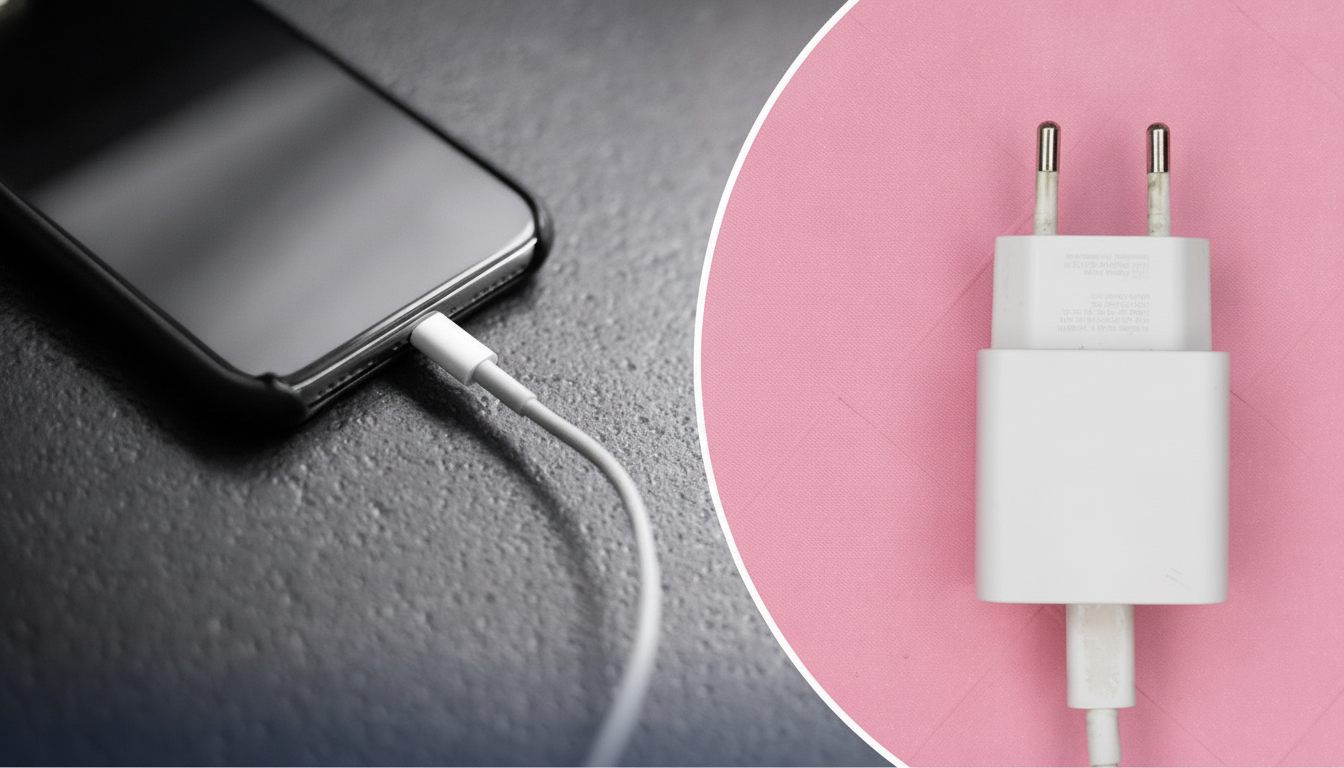
Portless Phones Get EU Green Light: Which Brands Could Ditch Charging Connectors.

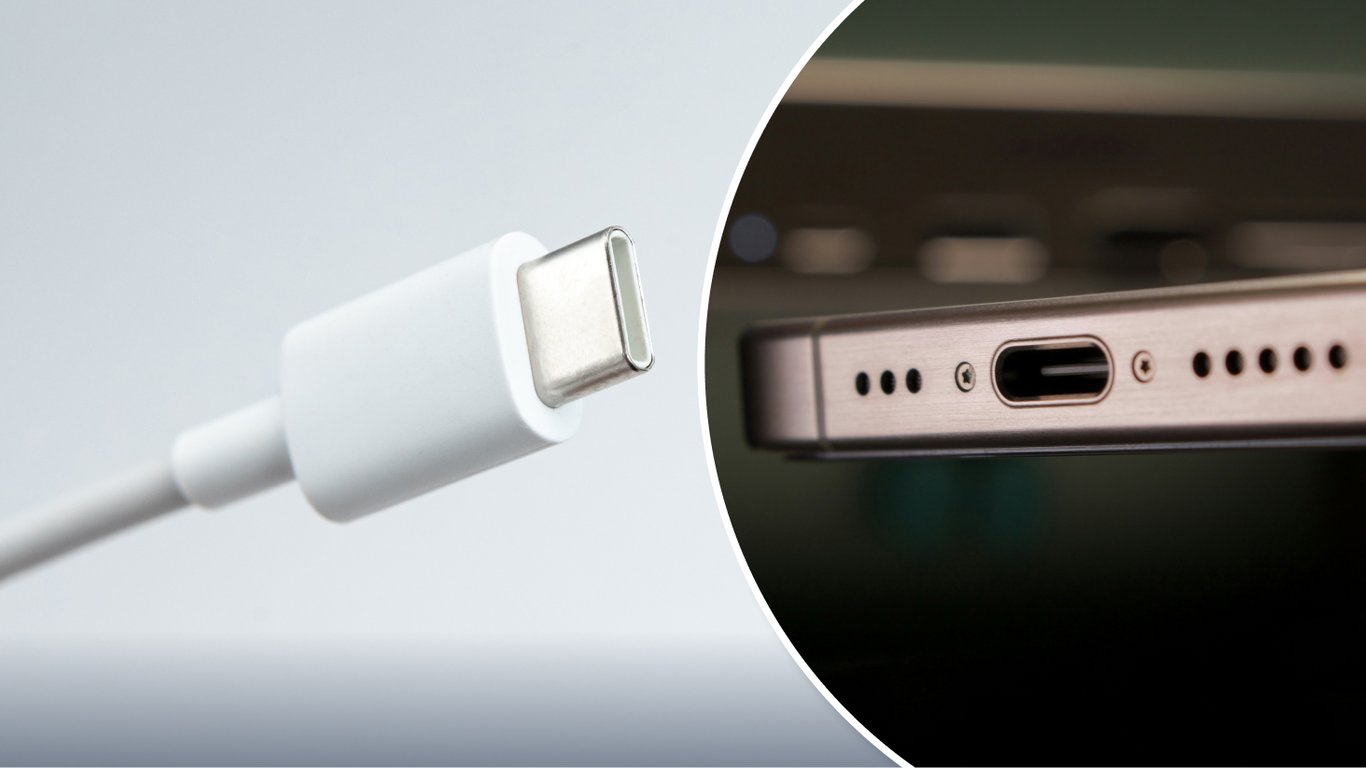
New EU Regulations Reshape Device Standards
According to Novyny.live: Starting in 2024, the European Union will enforce rules requiring manufacturers to adopt USB Type-C charging ports for smartphones, tablets, headphones, and other gadgets that support wired charging. This marks a major push toward unifying charging hardware across the continent—a move aimed at reducing clutter and consumer confusion.
However, devices that lack any physical port and rely solely on wireless charging may be exempt from these requirements. This loophole means such products can continue using their own wireless charging technologies without switching to USB Type-C, potentially opening the door for more portless designs.
Market Impact and Environmental Benefits
Apple, for instance, has already responded to the EU directive by shifting its iPhone and iPad lines to USB Type-C. This adaptation not only aligns with the new rules but also supports the broader goal of cutting down electronic waste—a key environmental driver behind the legislation.
By mandating a universal charging standard, the EU aims to create a more convenient and eco-friendly tech ecosystem. Consumers will no longer need to juggle multiple chargers and adapters, which in turn should reduce the environmental footprint of discarded electronics.
These regulatory changes represent a significant step toward standardizing technology, simplifying daily life for users while tackling the growing problem of e-waste. As society becomes more reliant on gadgets, such initiatives could pave the way for more sustainable electronics across Europe.
Read also
- The 20-80% Charging Rule: Experts Reveal the Best Way to Extend Your Smartphone Battery Life
- Soldiers Trained to Counter Surveillance via Smartwatches and Apps
- Up to 95% Off: Top Deals in the Steam Summer Sale 2026
- How to Spot a Failing Car Alternator: Key Warning Signs and Noises
- Ukraine’s Innovation Speed Called a Game-Changer by NATO: What Comes Next
- Toyota Tops Reliability Rankings: These Cars Can Go 400,000 km