Why the U.S. Maintains Negotiating Leadership Despite Europe's Increased Support for Ukraine.

Europe's Support for Ukraine
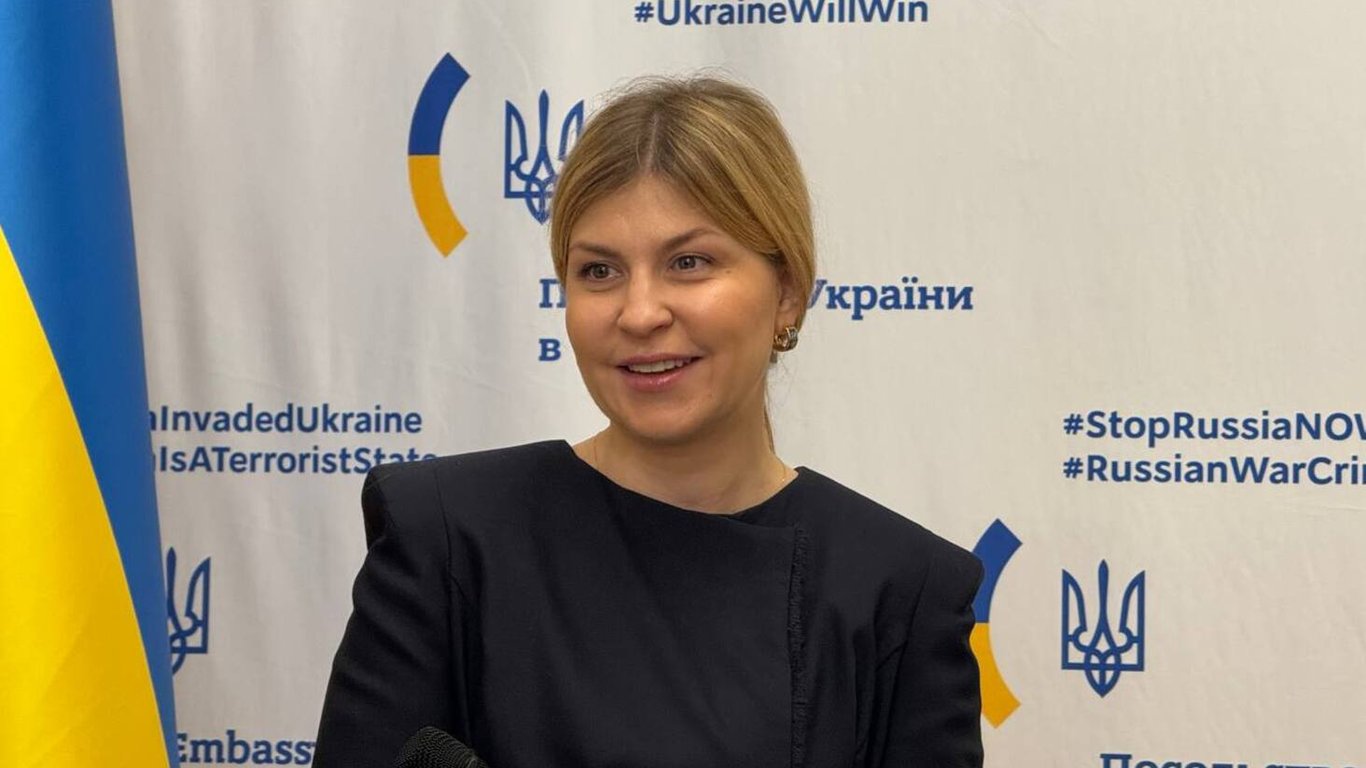
According to Novyny.live: While European nations have significantly increased their backing for Ukraine, the leadership role in diplomatic negotiations remains firmly with U.S. President Donald Trump. Ukrainian Ambassador to the U.S., Olga Stefanishyna, has detailed the rise in military aid and the critical need for security guarantees. She stated that the U.S. President has personally taken the lead on this commitment. This dynamic highlights the complex division of labor within the Western alliance in responding to the ongoing conflict.
Military Aid and International Cooperation
Europe's military support for Ukraine has surged by 60% since the start of the year, demonstrating a major intensification of effort by European countries. In a significant move, the United Kingdom and France have expressed readiness to deploy their troops to Ukraine as part of a potential peacekeeping mission, underscoring their commitment to regional stability.
Thus, despite the substantial and growing military assistance from Europe, the United States continues to play the pivotal role in steering negotiations. This emphasizes the necessity of coordinated international action to ensure Ukraine's security. The increased military contributions from European allies reflect a more active stance in the conflict. The potential involvement of British and French forces in a peacekeeping operation could mark a crucial step toward stabilizing the region. However, the dominant U.S. position in talks underscores that achieving a lasting peace requires unified Western strategy and leadership.
Read also
- Turkey Emerges as Potential Venue for Zelenskyy-Putin Talks as Ukraine Signals Readiness for Ceasefire
- Trump to Receive Late Senator Graham’s Bill on Russian Oil Tariffs
- U.S. Senators Draft 65-Page Sanctions Bill: Tariffs Up to 100% Target Key Russian Energy Buyers
- Putin Open to a Deal, Trump Claims: When the War Could End
- Lockheed Martin Endorses Licensing Ukraine to Manufacture Patriot Missiles
- 30 U.S. Senators Back New Russia Sanctions Bill, Says Ukraine's Foreign Minister