Eighth-Generation Ford Fiesta: Engine Issues and Whether It's Worth Buying.

Technical Features of the Eighth-Generation Ford Fiesta
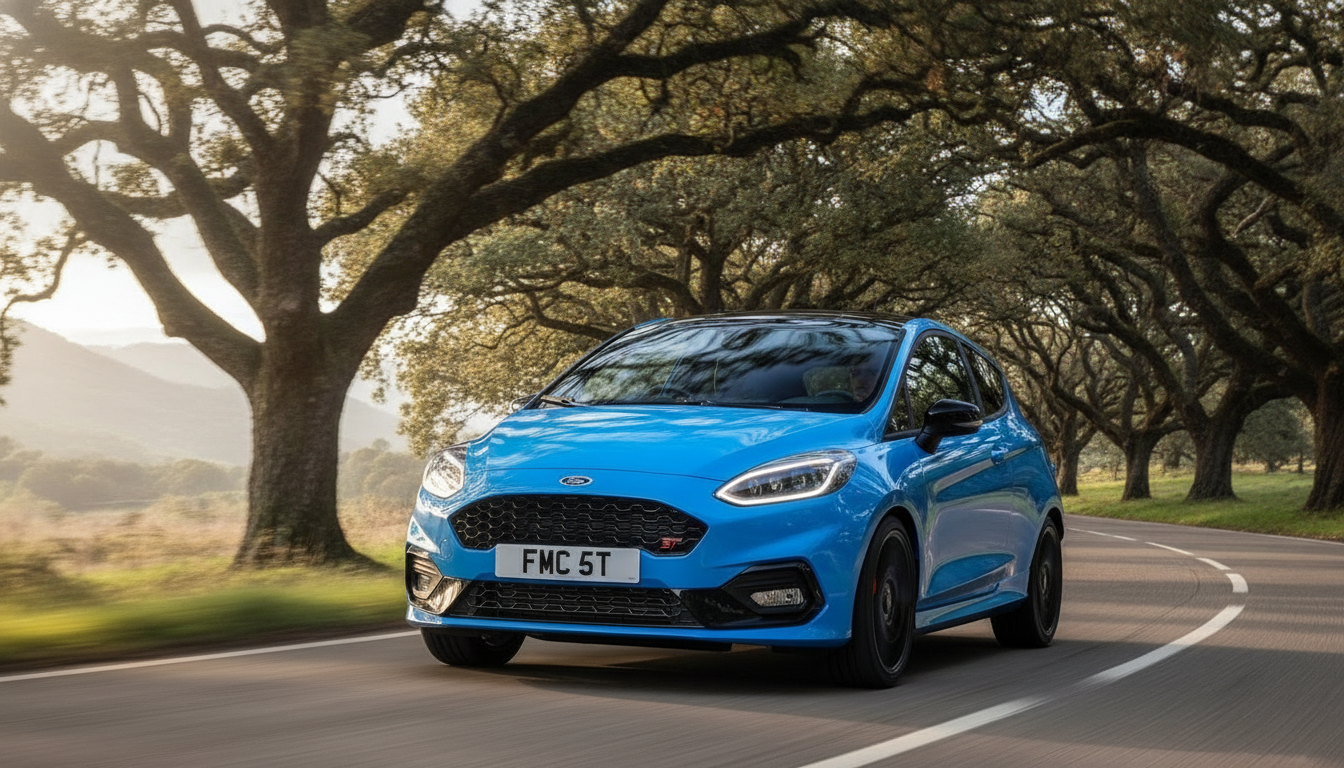
According to Novyny.live: Launched in 2017, the eighth-generation Ford Fiesta draws attention for both its technical specifications and potential engine concerns. Models in this series are equipped with 1.0-liter, three-cylinder turbocharged EcoBoost engines, producing either 100 or 125 horsepower. It is important to note, however, that these engines have specific maintenance requirements—most notably, the timing belt and oil pump belt operate inside the engine itself.
To keep the engine running optimally, only original lubricant meeting specification WSS-M2C948-B with a viscosity of 5W-20 should be used. As a one-time exception, up to 0.5 liters of standard ACEA A5/B5 oil may be added.
Known Issues and Alternatives
Among the potential problems, vehicles produced in 2017 and 2018 faced a risk of sudden oil pump drive failure, which could lead to severe engine damage. As an alternative to the turbocharged engines, there is a naturally aspirated 1.1-liter motor with power ranging from 70 to 85 horsepower. It is also worth mentioning that diesel versions of the Ford Fiesta are extremely rare, largely due to stringent Euro 6d emissions standards.
The car's body measures four meters in length, making it compact and well-suited for urban driving. The manual transmission features a short shift throw, contributing to a comfortable driving experience.
Buyers considering the eighth-generation Ford Fiesta should weigh both its technical features and the potential risks tied to maintenance and reliability. This vehicle offers a dependable option for those seeking a compact and economical car, but it demands careful adherence to the manufacturer's guidelines.
Choosing an eighth-generation Ford Fiesta can be a sensible decision for buyers looking for a compact city car. At the same time, it is crucial to pay attention to servicing and technical requirements that can affect the model's overall dependability. Given the possible engine issues, prospective owners should be prepared to follow the manufacturer's recommendations closely to ensure stable vehicle performance.
Read also
- Google to Build America's Largest Solar Farm: 2.5 GW Facility to Power Data Centers
- Turn Your Old Phone Into a Smart Display: Inside the New ScreenWall Web Platform
- Speed Record Set by Bombardier Global 8000: Los Angeles to Farnborough in Just 8 Hours 46 Minutes
- A New Augmented Reality Platform Lets You Read and Build 3D Comics
- How Artificial Intelligence Is Unlocking Billions in Real Estate Value
- Ukraine’s Air Defense Gets a Boost: New 'Hot Dog' Drone Takes Down Over 300 Targets