France and Germany Form Nuclear Deterrence Group as Europe Responds to Russian Threats.

Europe Bolsters Its Defenses
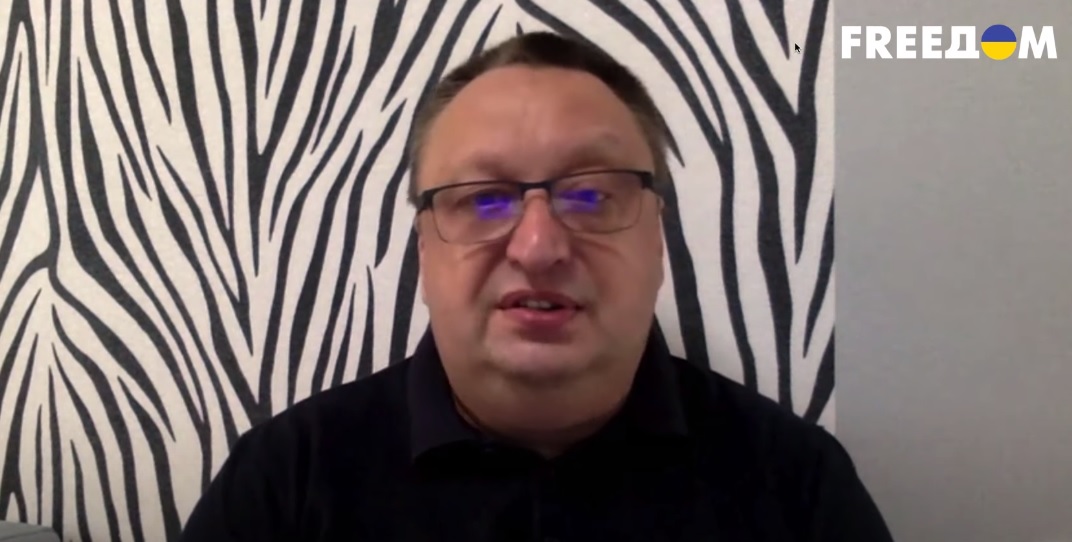
According to UATV: In a significant move for European security, France and Germany are collaborating on nuclear deterrence in response to threats from Russia. On March 4, 2023, retired Ukrainian Security Service (SBU) Major General Viktor Yahun stated on the FREEDOM TV channel that establishing a Franco-German nuclear deterrence group is a crucial step forward. This initiative reflects a broader European awakening to security challenges on the continent.
France, as the sole EU nation possessing its own nuclear arsenal, is a pivotal player in regional deterrence. Germany, Europe's largest economy, is equally committed to strengthening the continent's defensive capabilities. Together, these two powers have established a nuclear coordination group to align their deterrence policies, demonstrating a serious and unified approach to security.
Viktor Yahun: 'To put it plainly, the creation of a Franco-German nuclear deterrence group is a symptom of Europe beginning to wake up.'
He clarified that this does not signify a change in doctrine or a transfer of nuclear capabilities to Berlin, but rather a political and military coordination for worst-case scenarios. 'I believe the decision being made by France with Germany is a signal to Moscow,' Yahun said.
Strategic Implications for Ukraine
This development holds major strategic importance for Ukraine. 'The stronger the European deterrence framework, the less room there is for Russian nuclear blackmail,' he noted. Therefore, reinforcing nuclear deterrence in Europe could become a key factor in ensuring continental stability and security. This coordinated effort is seen as a direct counter to the Kremlin's aggressive posture.
The enhancement of Europe's defense capabilities, particularly through Franco-German cooperation on nuclear deterrence, underscores growing security concerns in the region. It is also likely to impact Europe's relations with Russia, potentially raising tensions. Amid global political instability, such initiatives could lay the groundwork for new strategic alliances and shifts in the international balance of power.
Read also
- Ireland Pledges €125 Million to Ukraine: €100 Million for Non-Lethal Military Gear
- Azerbaijani President Aliyev's Statements on Ukraine Garner 1.9 Million Views at Shusha Media Forum Featuring Ukrainian Outlets
- Syrskyi’s Criticism of Military Contracts: What Changes After His Dismissal
- Ukrainian Foreign Minister Holds Talks with European Counterparts on Black Sea Security and Air Defense
- Ex-Defense Minister Fedorov Sets Sights on Only One Role: No Other Positions Under Consideration
- Ireland Pledges €125 Million to Ukraine: What the New Aid Package Includes