Why a Car on Ice Can Take Over 500 Meters to Stop.

The Dangers of Winter Driving: Understanding Stopping Distances on Ice
According to Novyny.live: Icy winter roads present a severe hazard for drivers, dramatically increasing the distance required to bring a vehicle to a halt. This underscores the critical need for extreme caution during winter travel. For context, on dry asphalt at 100 km/h, a car's braking distance is typically 70-80 meters. On ice, however, the situation becomes far more dangerous.
Stopping Distances Across Different Surfaces
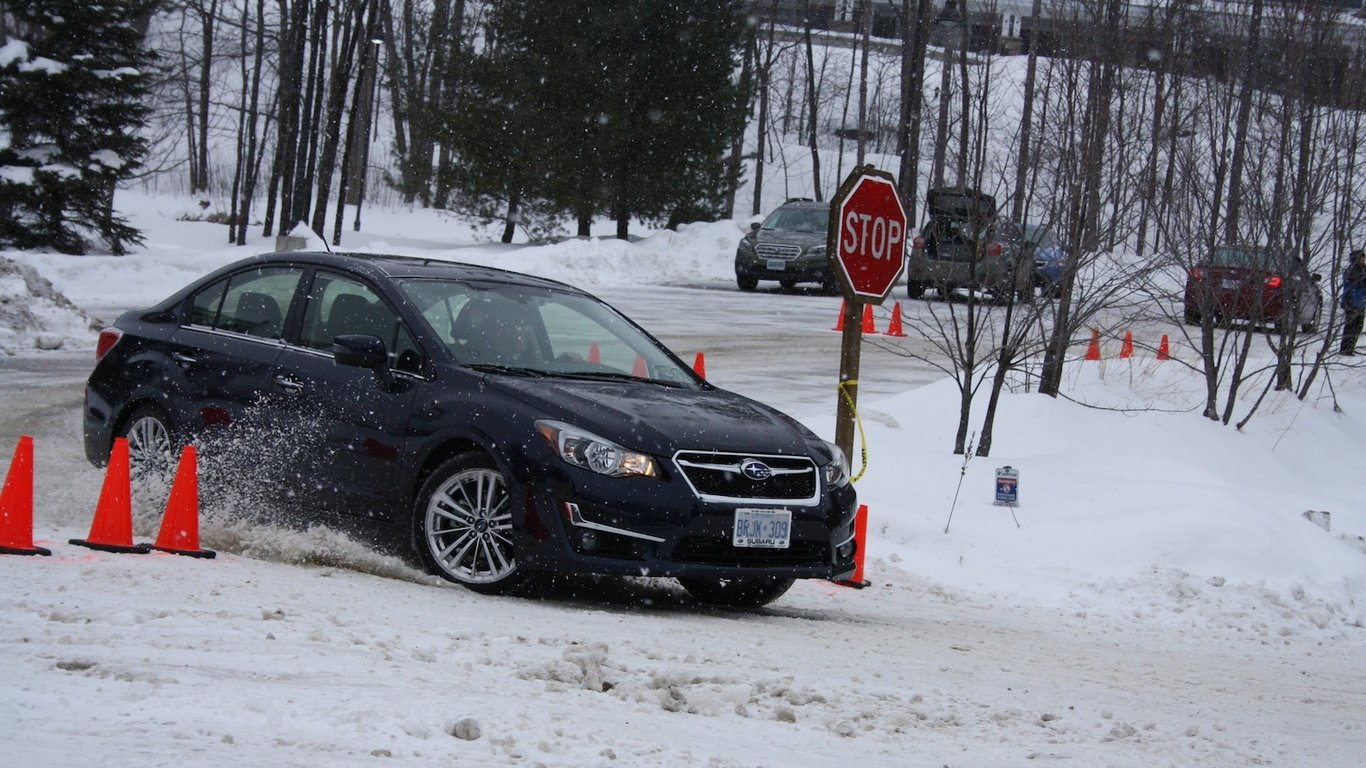
On packed snow at 50 km/h, a car with winter tires may stop within 22-35 meters, while summer tires could extend that distance to 60 meters. The most alarming figures come from icy conditions: at 100 km/h, the braking distance alone exceeds 400 meters, and the total stopping distance can surpass 500 meters. This vast distance highlights why drivers must be prepared for unexpected situations on the road.
It's also important to note that the Anti-lock Braking System (ABS), which normally improves control during braking, can actually lengthen the stopping distance when tire grip is extremely poor, such as on sheer ice. To stay safe, drivers should reduce their speed by 30% on wet roads and by half on snowy surfaces. On icy roads, a safe speed should not exceed 30 km/h.
Given these facts, drivers should carefully plan winter journeys, taking road conditions into account and adjusting their speed accordingly. Winter road safety depends not just on a vehicle's technical features, but also on the driver's conscious and adaptive approach.
This information is crucial for all motorists, as it emphasizes the need for heightened vigilance in winter conditions.
Even experienced drivers can encounter unpredictable situations on ice. A responsible attitude toward speed and driving conditions can significantly reduce the risk of accidents and ensure safety for both drivers and pedestrians.
Read also
- Yellow Weather Alert Issued for Kharkiv as Severe Storms and Hail Loom
- Kyiv Building Collapse Search Ends: 30 Dead from Russian Strike
- Emergency Power Cuts Hit Kyiv and Region: What We Know About Ukrenergo’s Restrictions
- Smog Engulfs Kyiv Due to Fires and Shelling: How Long Will the Pollution Last?
- Missile Strike Devastates Kyiv Biochemistry Institute: Key Labs Destroyed
- Kyiv Death Toll Hits 30 After Apartment Strike; Rescue Teams Search for 8 Missing