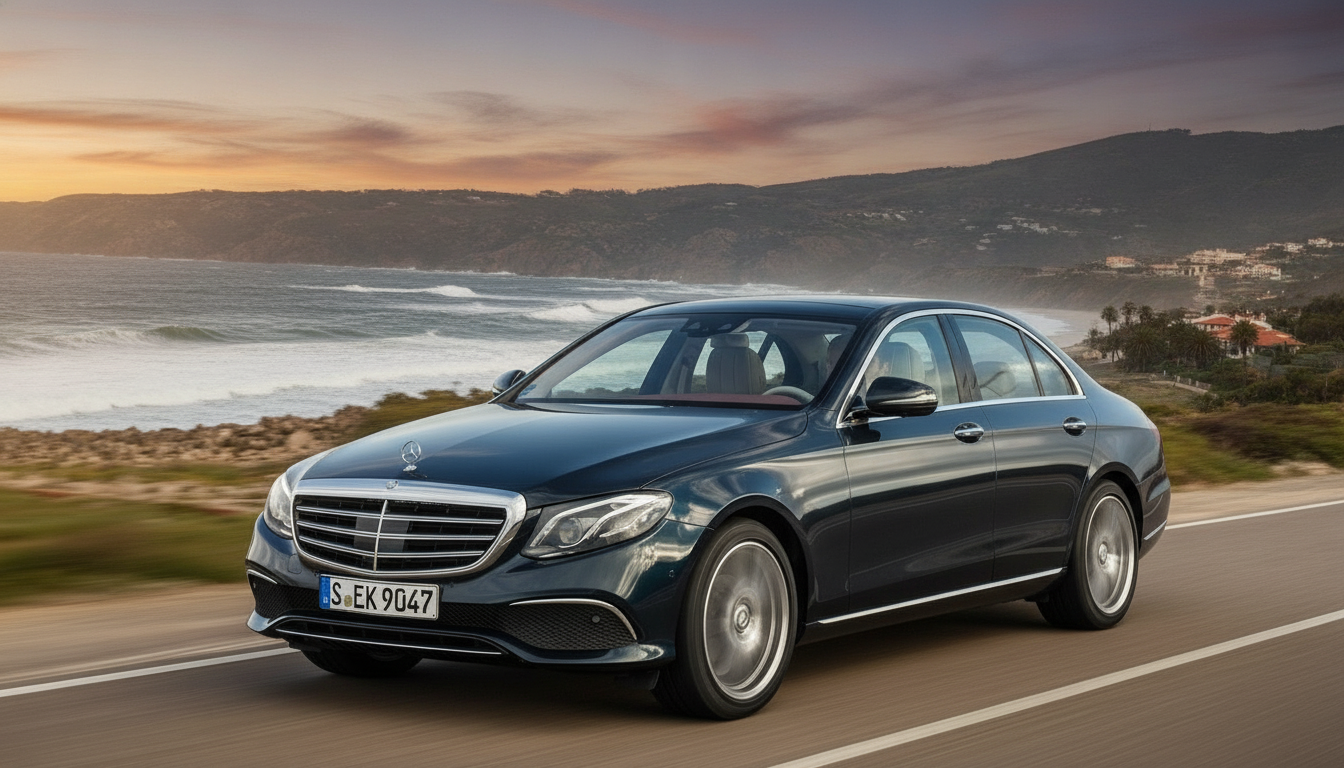
Four Car Models with Engines Perfectly Suited for LPG Conversion.

The Rising Popularity of LPG as a Fuel
According to Novyny.live: Liquefied petroleum gas (LPG) is gaining traction at fuel stations due to its significant cost savings. This trend highlights the importance of vehicles that are well-suited for aftermarket gas conversion systems. We examine four specific models known for their efficiency and technical compatibility, making them ideal candidates for running on LPG.
-
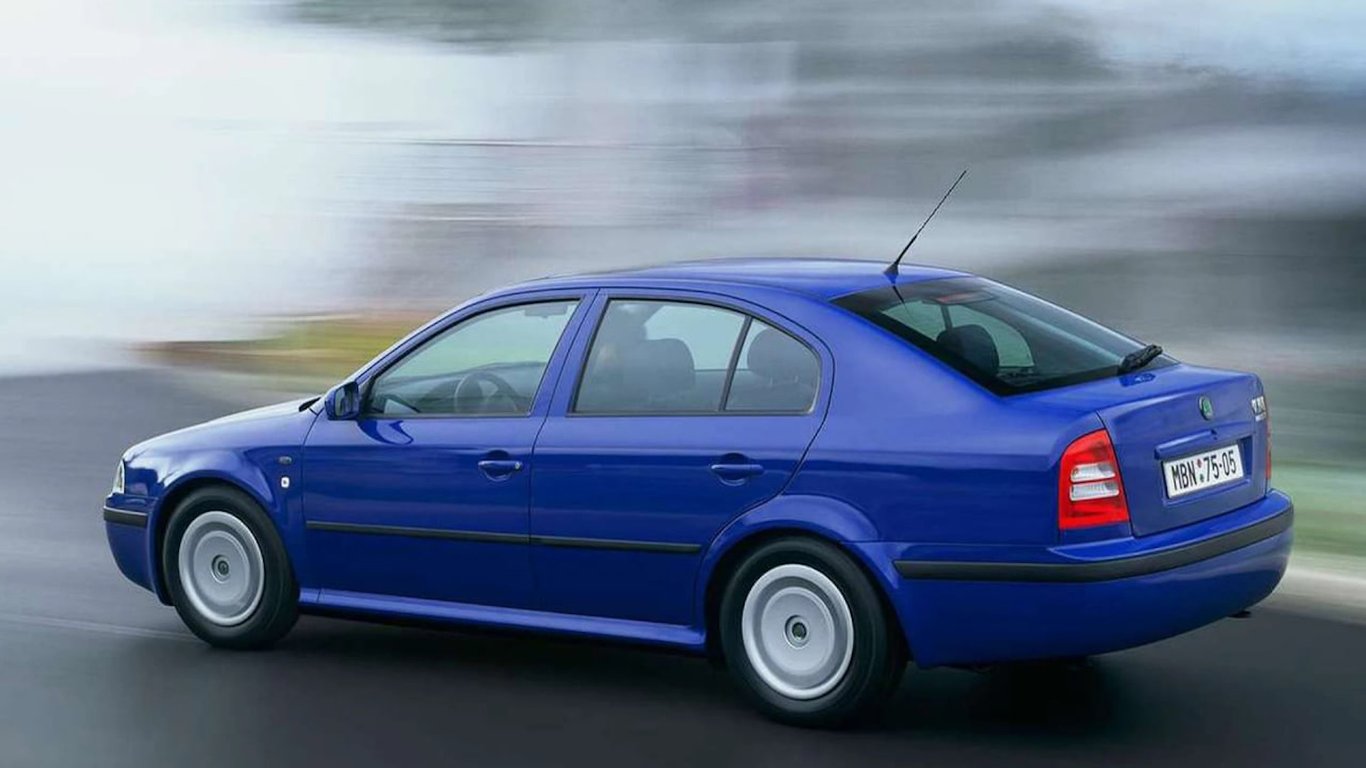
Škoda Octavia
The iconic Octavia, produced from 1996 to 2010, features a 1.6 MPI engine. This power unit is equipped with hydraulic valve lifters, which enhances its reliability and durability. Engines with indirect injection, like this one, are known to better withstand the thermal demands of LPG, a key advantage for drivers considering the switch.
-
Renault Clio
The French-made Renault Clio from its third generation, manufactured between 2005 and 2012, is another strong contender. Its 1.2-liter engine producing 75 horsepower delivers solid performance. This makes the Clio an attractive and economical choice for daily commuting.
-
Fiat Panda
The compact Fiat Panda, built from 2003 to 2012, comes with 1.1-liter or 1.2-liter engines that consume just 7 or 8 liters of LPG per 100 km. This fuel efficiency makes the Panda one of the most economical cars in its class, perfect for drivers prioritizing low running costs without sacrificing road comfort.
-
Opel Astra H
The practical Opel Astra H, produced from 2004 to 2007, is fitted with a 1.4-liter engine that also uses hydraulic lifters. This model is well-suited for LPG operation, offering a cost-effective option for fuel-conscious consumers. It's important to note that the Astra's valves require adjustment every 30,000 km, a factor to consider in maintenance planning.
Economic and Environmental Benefits
In summary, all the listed car models demonstrate clear advantages when using LPG, making them financially sensible choices. The final selection depends on the owner's specific needs and preferences, though cost-effectiveness and reliability remain the primary deciding factors.
The growing shift towards LPG is often driven by rising prices for traditional fuels and an increased awareness of the environmental benefits of gas technology. For many drivers in Europe and beyond, converting a compatible used car to LPG is a practical step toward reducing motoring expenses. Vehicles that support this fuel can play a role in the transition to more sustainable transport solutions, potentially stimulating the aftermarket conversion industry and encouraging the expansion of refueling infrastructure.
Read also
- Is the Mercedes-Benz E-Class W213 Still Worth Buying Used? A Look at the Legendary German Sedan
- Why SUVs Have Rear Wipers but Sedans Don’t: The Aerodynamic Explanation
- Stadler Nears Completion of FLIRT Intercity Production: Testing Set to Begin in 2026
- The 20-80% Charging Rule: Experts Reveal the Best Way to Extend Your Smartphone Battery Life
- Soldiers Trained to Counter Surveillance via Smartwatches and Apps
- Up to 95% Off: Top Deals in the Steam Summer Sale 2026