Why Hybrids Emerged as Ukraine's Most Practical Vehicle Choice in 2026.

The State of Hybrid Cars in Ukraine for 2026
According to Novyny.live: By 2026, hybrid vehicles have become the most rational choice for Ukrainian drivers, offering an optimal blend of fuel efficiency and freedom from charging infrastructure dependency. Modern plug-in hybrids (PHEVs) are particularly compelling, with many capable of traveling over 100 km on electric power alone, making them highly attractive for daily use.
Hybrid systems in Ukraine are demonstrating remarkably low fuel consumption, ranging from 1.5 L/100 km to 4 L/100 km. For instance, the Toyota RAV4 Hybrid achieves 4.6 L/100 km, showcasing its efficiency. Other models post equally impressive figures:
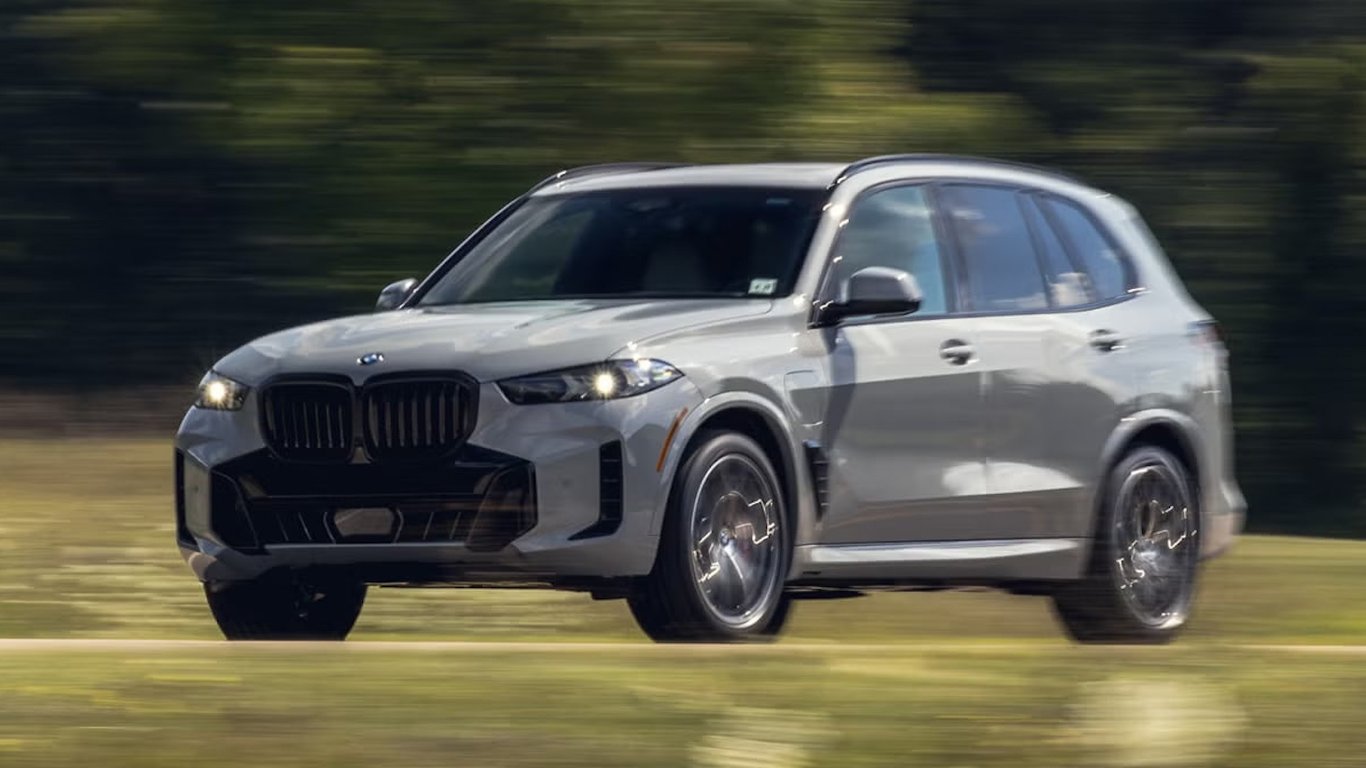
- The 490-horsepower BMW X5 xDrive50e consumes a mere 1.8 L/100 km.
- The Volkswagen Golf eHybrid offers an electric range of 142 km and fuel consumption of 1 L/100 km, positioning it as another highly economical option.
Other notable technical leaders in this market include:
- The BYD Song Plus DM-i, which provides an electric range of up to 150 km;
- The Honda Civic Hybrid, with a consumption rate of 4.1 L/100 km.
All these models underscore the surging popularity of hybrid technology, which successfully marries economy and environmental friendliness while meeting consumer demands for convenience and accessibility. This trend aligns with a global shift towards more sustainable transportation, especially relevant in regions with developing charging networks.
Trends in the Hybrid Car Market
Consequently, hybrid cars in Ukraine for 2026 have evolved beyond a mere trend into a pragmatic choice that meets contemporary demands for energy efficiency and ecological responsibility. Amid growing demand for eco-friendly transport, hybrid technologies are poised to maintain a leading market position.
The rising popularity of hybrids in Ukraine mirrors a worldwide movement towards more economical and environmentally conscious vehicles. Faced with increasing costs for traditional fuels and stricter ecological standards, hybrid technology provides consumers with a viable alternative that reduces both fuel expenses and harmful emissions. This shift not only promises to improve environmental conditions but also encourages the development of a national automotive industry adapting to new consumer market requirements.
Read also
- Google to Build America's Largest Solar Farm: 2.5 GW Facility to Power Data Centers
- Turn Your Old Phone Into a Smart Display: Inside the New ScreenWall Web Platform
- Speed Record Set by Bombardier Global 8000: Los Angeles to Farnborough in Just 8 Hours 46 Minutes
- A New Augmented Reality Platform Lets You Read and Build 3D Comics
- How Artificial Intelligence Is Unlocking Billions in Real Estate Value
- Ukraine’s Air Defense Gets a Boost: New 'Hot Dog' Drone Takes Down Over 300 Targets