Ukraine's Military Intelligence Was Preparing for Invasion Before February 24th: What Budanov Knew and How Russia's Plans Shifted.

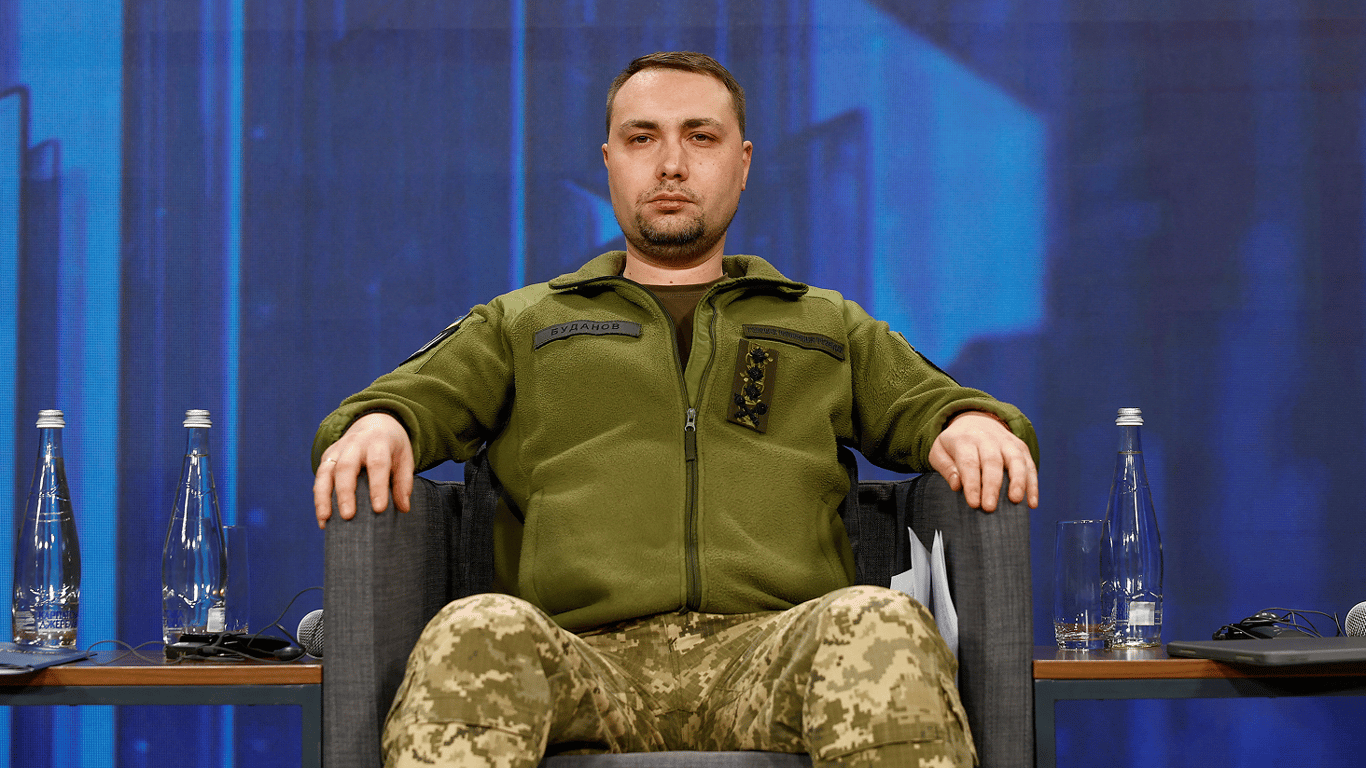
Preparations for a Potential Russian Invasion
According to Novyny.live: Kyrylo Budanov, head of Ukraine's Main Directorate of Intelligence (GUR), has detailed preparatory measures that began well before Russia's full-scale invasion on February 24, 2022. Ukrainian forces received crucial intelligence from Western agencies, including the United States and United Kingdom, which possessed detailed information on Russian plans from late 2021 into early 2022. This period of heightened threat saw Ukrainian intelligence analysts detect a significant expansion of Russian espionage and sabotage networks operating within Ukraine. The GUR's work during this time was critical to understanding the scale of the impending threat.
The Battle for Hostomel and Diplomatic Efforts
A central component of Russia's initial military strategy was the airfield at Hostomel. Kyrylo Budanov noted that
"the heart of the plan was a tactical airborne landing at Hostomel"(Kyrylo Budanov). However, fierce Ukrainian resistance in the battles for Hostomel, Moshchun, and Irpin shattered Russia's plans for a rapid seizure of Kyiv. These early engagements demonstrated Ukraine's readiness to repel the aggression and forced a major shift in Russian strategic objectives. The defense of the Kyiv region marked a pivotal early turning point in the war.
Furthermore, trilateral talks involving Ukraine, Russia, and the United States were held in Geneva on February 17-18, 2022. Kyrylo Budanov emphasized that
"it was not easy during the trilateral meeting"(Kyrylo Budanov). These negotiations represented a significant diplomatic effort by Ukraine to seek a peaceful resolution, but their ultimate failure to prevent further escalation underscored the deep-seated nature of the conflict. The diplomatic window closed rapidly as military preparations continued.
In summary, the pre-invasion preparations by Ukrainian intelligence and the proactive stance of its special services were fundamental in shaping the country's defensive strategy against the growing threat. This account highlights the vital importance of intelligence sharing with Western allies for national security. The unsuccessful Geneva talks also illustrate the profound challenges of diplomacy amid escalating tensions that ultimately led to a wider war. Strategic analysis and preparation by Ukrainian forces proved to be decisive factors in countering the initial aggression and ensuring national security.
Read also
- Fedorov’s 'Diia' Party Could Surge to 7% in Polls: Inside the Strategy and Outlook
- White House Teleprompter Operator Made Over $100,000 Betting on Trump’s Speeches: Investigation Reveals
- New Phase in Ukraine-Poland Ties Announced by Zelensky: What Lies Ahead
- Zelensky Breaks His Own Pledge: How the President Undermined Constitutional Order
- Azerbaijan Offers to Host Peace Talks Between Ukraine and Russia
- Turkey and Ukraine’s Budanov Discuss Reviving Peace Talks to End the War