Church of the Holy Sepulchre Closed for Lent for the First Time: What’s Behind the Decision.

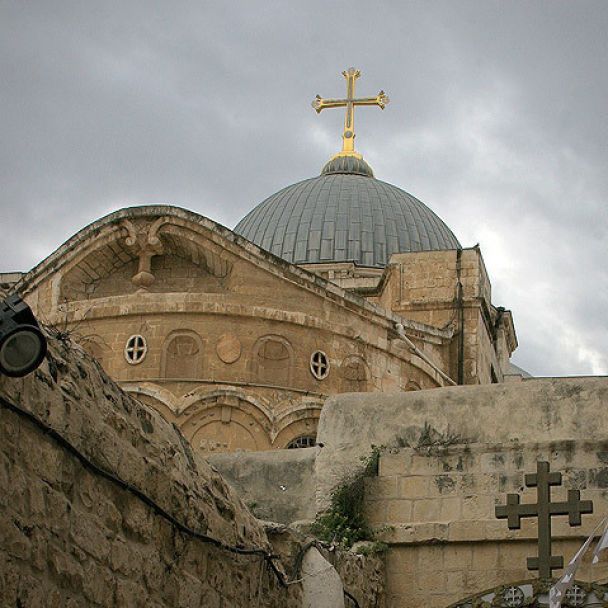
Church of the Holy Sepulchre Shutters Its Doors
According to TSN.ua: For the first time in modern history, the Church of the Holy Sepulchre in Jerusalem has been closed during Lent. The shutdown, which took effect on February 28, stems from escalating conflict in the Middle East. Specifically, falling rocket debris in the Old City injured at least one person, prompting authorities to take this unprecedented step. This revered Christian site has remained inaccessible for several weeks, marking an extraordinary interruption to worship during the Lenten season.
According to the Latin Patriarchate of Jerusalem, fragments from a missile landed roughly one hundred meters from the sacred building. The emergency service Magen David Adom reported that at least five people sustained injuries from an Iranian ballistic missile. The length of the closure is without precedent—this key pilgrimage destination has never been locked down for such an extended period during Lent.
Vatican’s Stance
The Vatican has made its position clear regarding the situation:
“Unhindered access to holy sites and the right to worship there must be guaranteed.”This statement underscores the need to protect worshippers and preserve the ability to visit sacred places, even amid the threats posed by the ongoing conflict.
As a symbol of faith for millions, the Church of the Holy Sepulchre remains closed, with tensions still running high. Religious leaders and local authorities are actively seeking ways to restore access to the site while ensuring the safety of all pilgrims and worshippers.
The closure of this historic church amid rising turmoil in the Middle East highlights the region’s fragility and the serious challenges facing religious communities. This unprecedented decision during Lent underscores the pressing need to safeguard the faithful—a move that may have lasting implications for religious practice in this deeply significant location. At the same time, the Vatican’s insistence on the importance of access to holy sites shows that issues of security and religious freedom remain at the forefront of international concern.
Read also
- Ukrainian Drone Forces Destroy Russian Sapper Base in Donetsk Region
- Ukrainian SOF Drones Seize Control of Land Route to Crimea: A Strategic Shift
- Russia's Spring Offensive Collapses: Expert Says It’s Only a Matter of Time
- Russia Targets Kharkiv-Sumy Highway: Which Stretch Poses the Greatest Danger
- Ukrainian Flight Attendant Becomes First Civilian to Receive UN Peacekeeping Medal Posthumously
- Ukraine Strikes Russian Navy Arsenal and Oil Depot in Coordinated Attack: Key Details