The Essential Rule for Uncontrolled Intersections: Who Yields?.

Establishing Right of Way at Uncontrolled Intersections
According to Novyny.live: At an intersection with no traffic signals or signs, drivers must determine who has the right of way. When there are no priority road signs and the road surfaces are identical, the intersection is considered one of equal roads. In these situations, the driver of a non-rail vehicle must yield to any vehicle approaching from the right, as stipulated in Rule 16.12 of the Road Traffic Regulations. This 'right-hand rule' is a fundamental principle of road safety in many countries.
A Practical Road Scenario
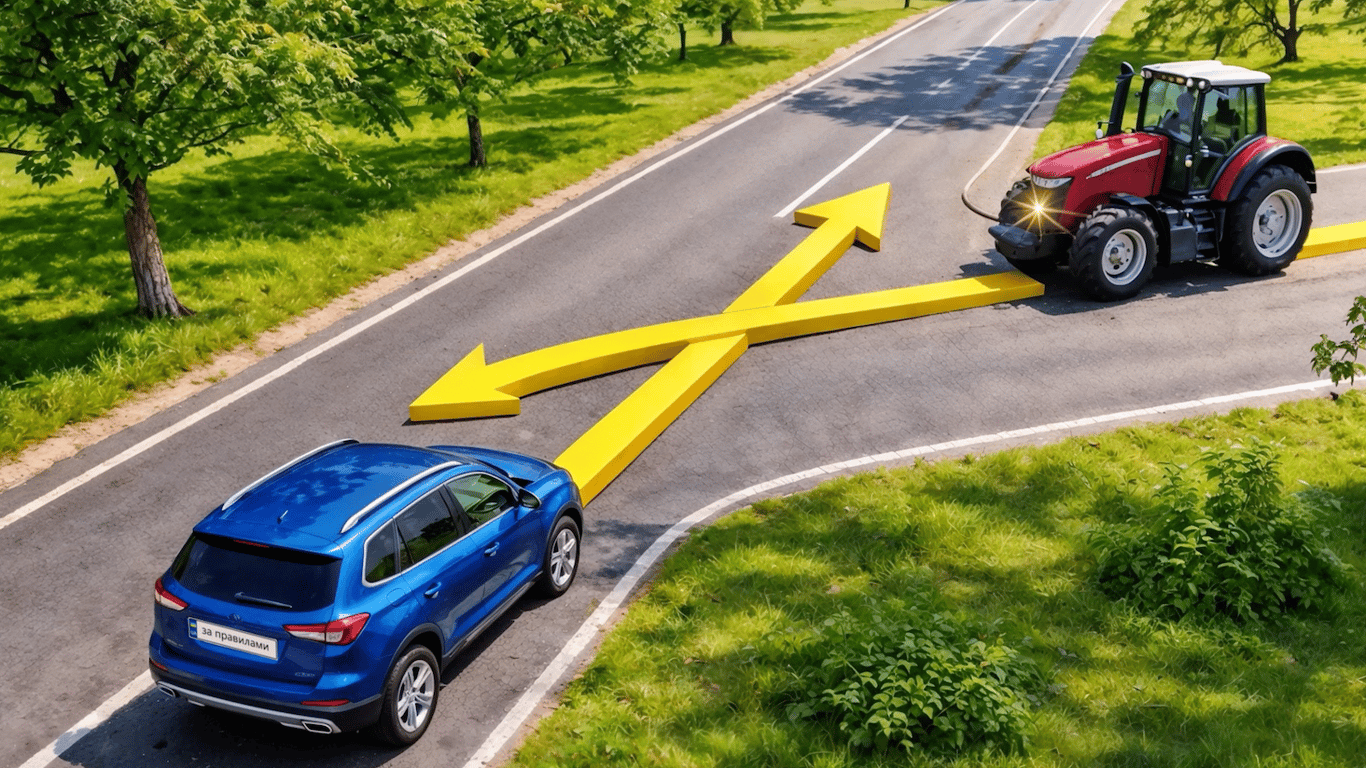
Consider a specific example: a car approaches an intersection and identifies a tractor as an obstacle on its right. This means the car driver is obligated to yield to the tractor driver. Therefore, the correct answer to the question of who must yield in this situation is: the driver of the car.
Remember, correctly determining priority at uncontrolled intersections is a crucial aspect of road safety.
Knowledge of traffic rules, especially concerning uncontrolled intersections, is critical for preventing accidents. Drivers must remain vigilant and adhere to the rules to ensure their own safety and that of other road users. It is vital to emphasize the need for public information campaigns and driver education to increase awareness of road rules and reduce the risk of collisions.
Read also
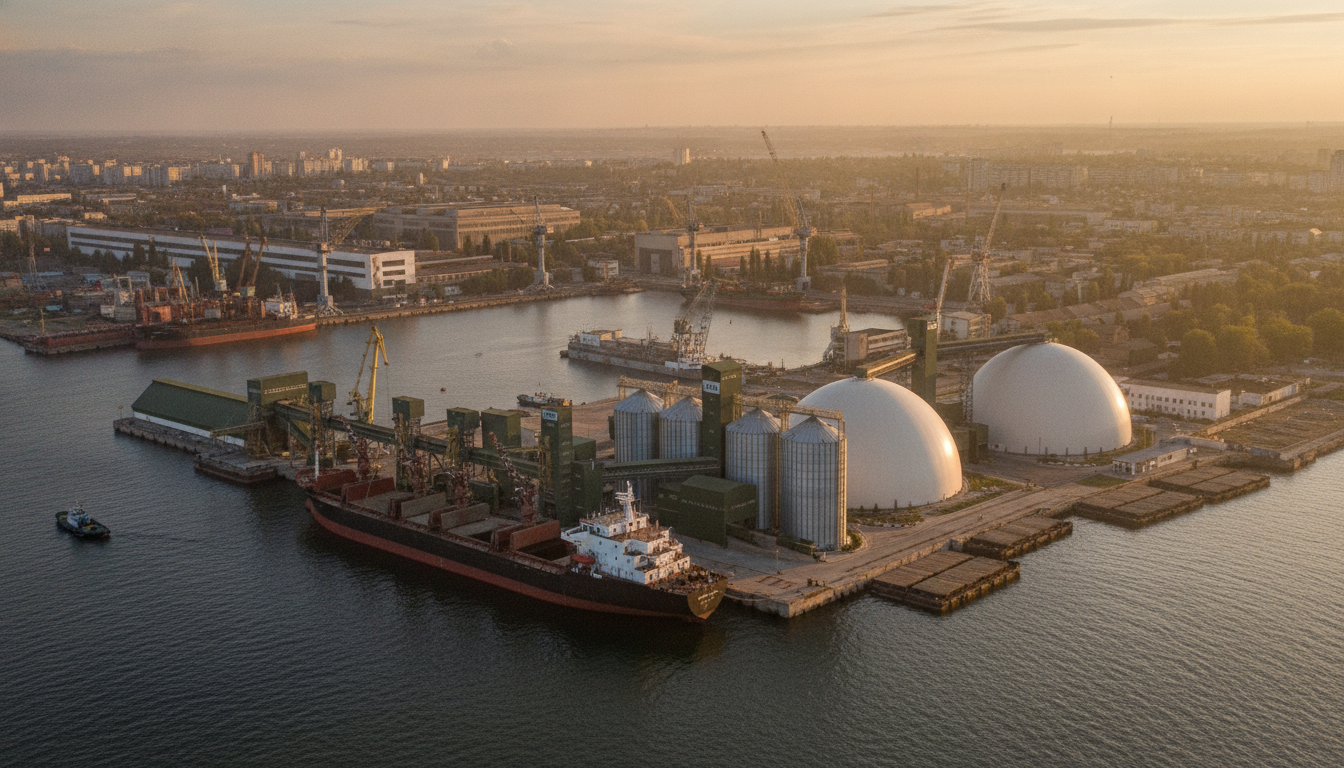
- Mykolaiv Port Attack Kills Two, Damages Foreign Vessels in Drone Strike
- Deadly Lines at Gas Stations in Russia: Kremlin Cuts Fuel Sales After Ukrainian Strikes
- July 17 Missile Strike on Odesa Claims Lives, Including Children
- Five Russian Aerial Bombs Strike Children's Camp in Sumy During Overnight Attack, Injuries Reported
- Critical Situation in Eastern Ukraine: Russian Forces Bombard Kramatorsk, Sloviansk, and Druzhkivka Daily
- Russia's Shadow Fleet Loses 105 Vessels as Fires Erupt in Kerch and Koktebel