Russia deliberately targets Ukrainian rescue workers: more than 100 killed since the war began.

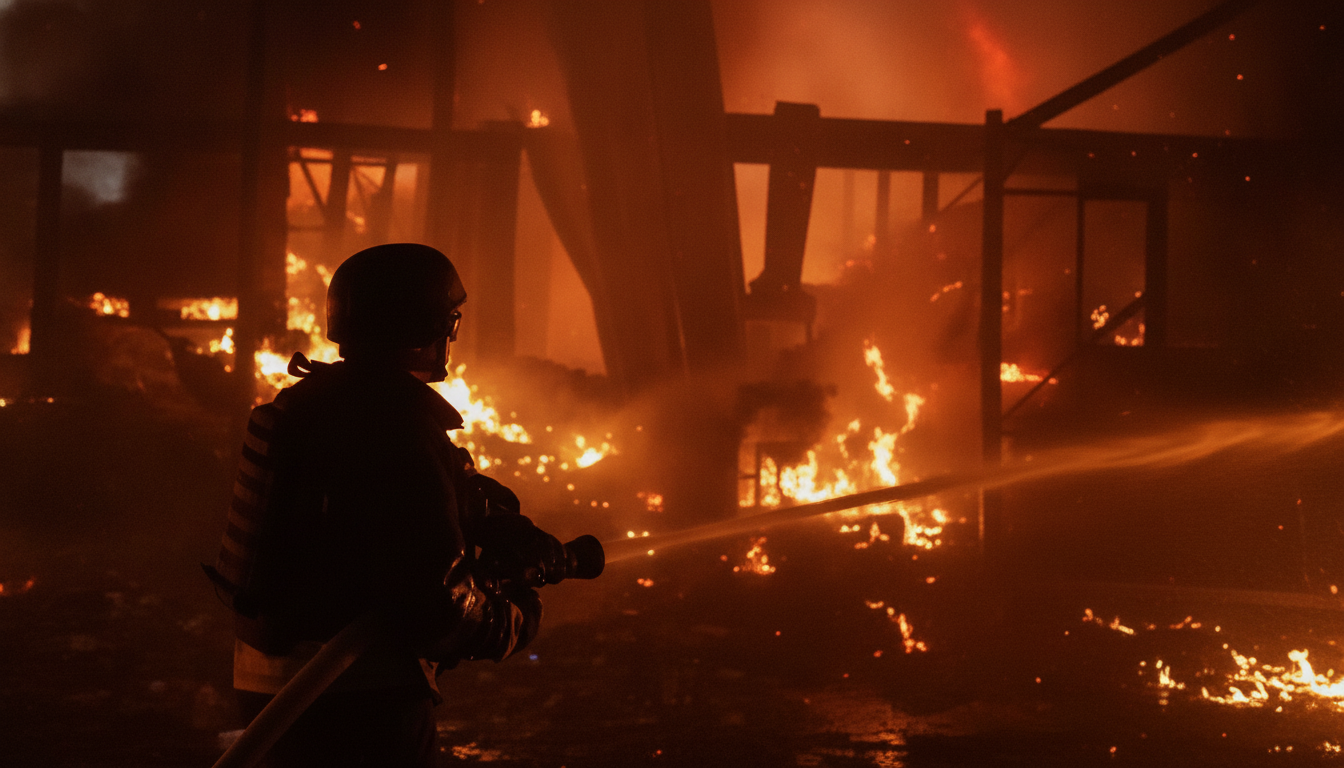
Attacks on rescue workers in Ukraine
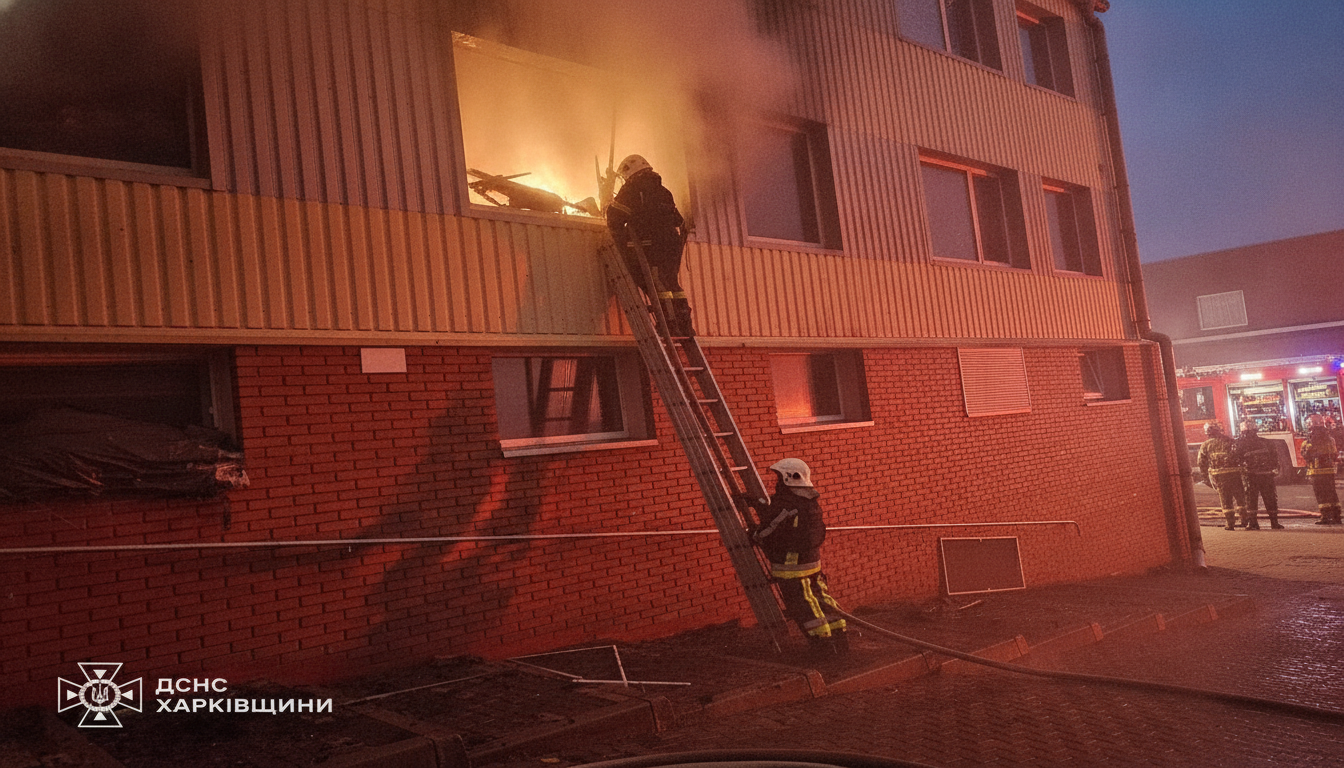
According to UATV: Since the start of Russia’s full-scale invasion of Ukraine, rescue personnel from the State Emergency Service of Ukraine (SES) have faced repeated attacks. Over 500 have been wounded, and 114 have lost their lives. These figures highlight the extreme dangers these workers face as they respond to shelling and try to save civilians.
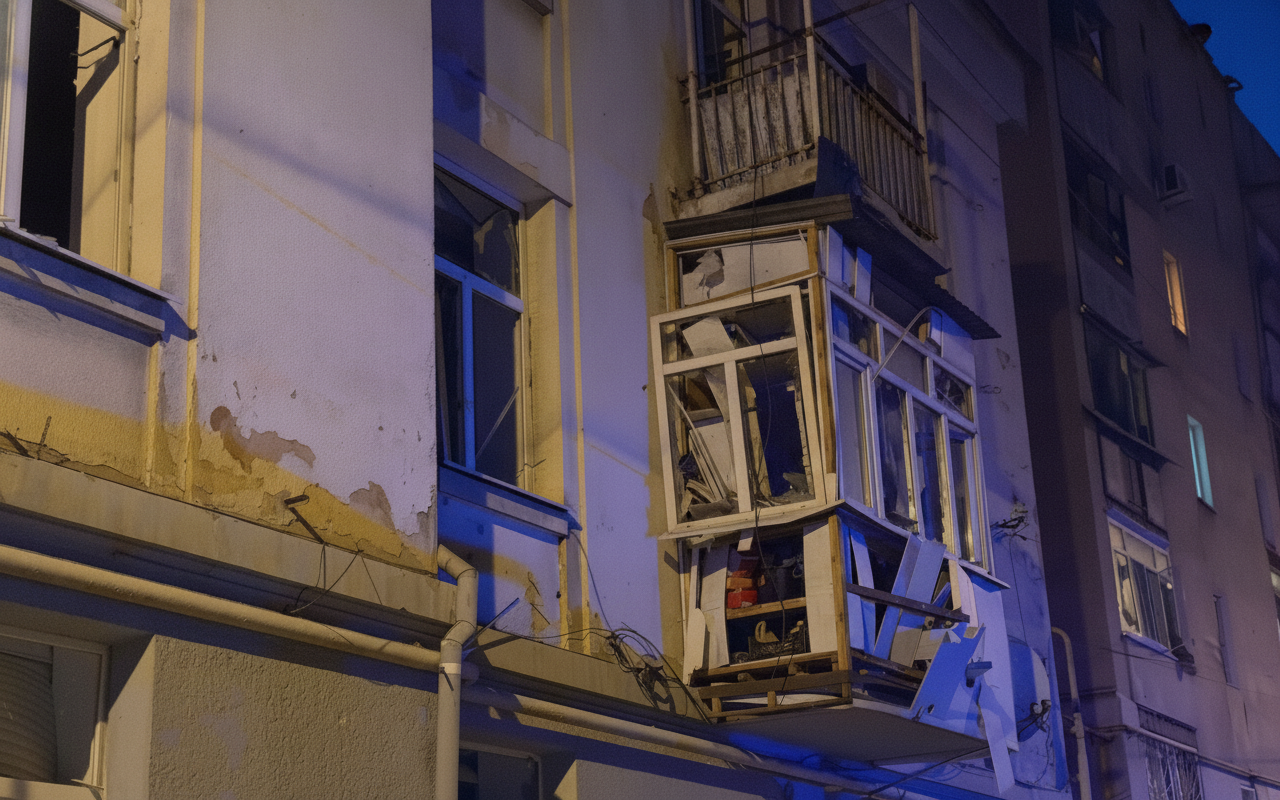
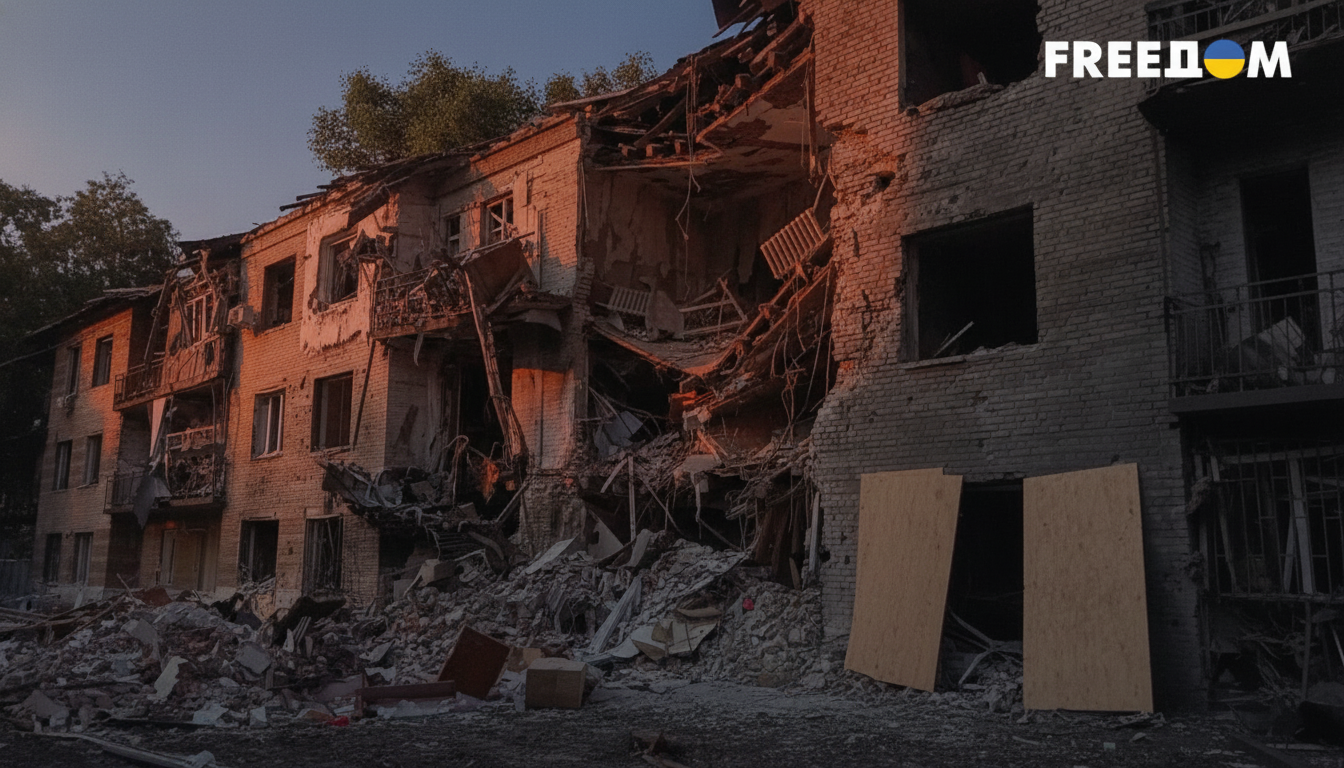
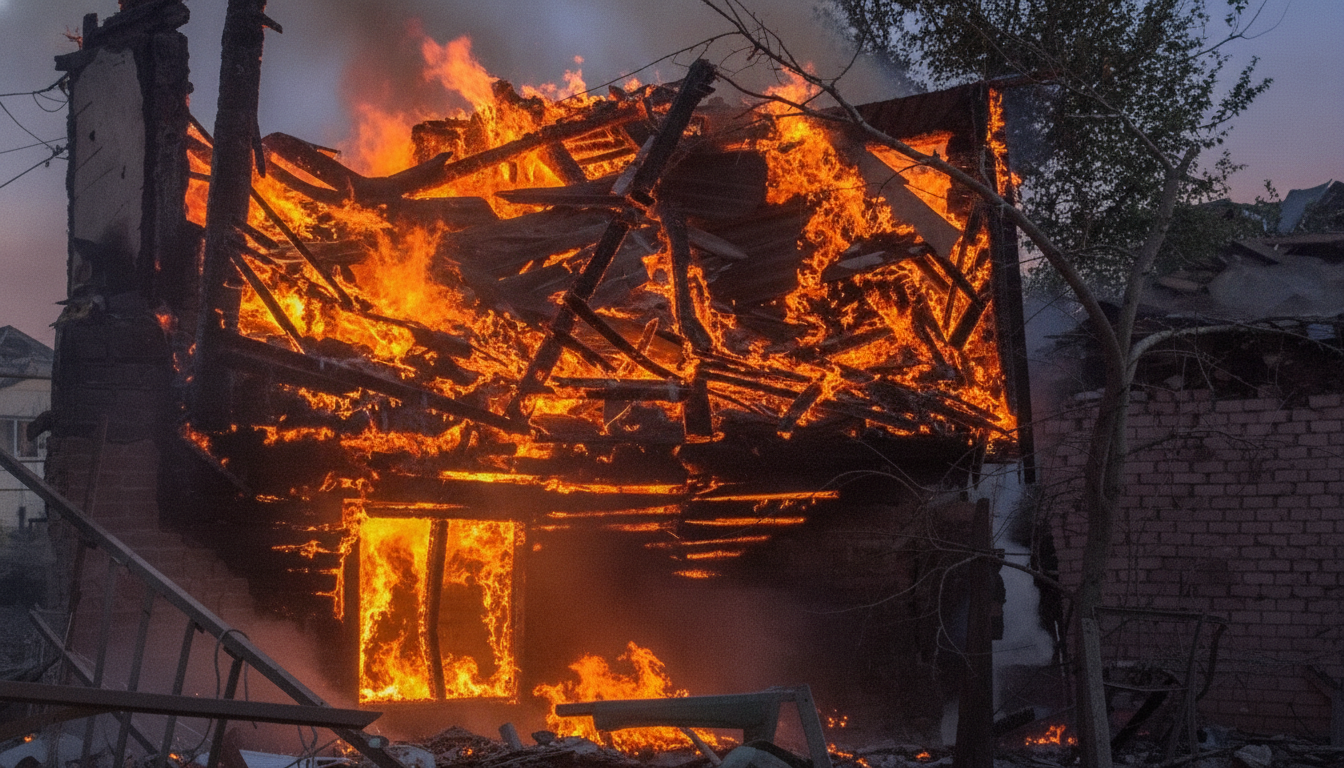
On July 13, three rescue workers were injured while responding to an attack in the Dnipropetrovsk region. The front line in this area is roughly 50 kilometers from the village of Petropavlivka. Such incidents are not isolated. On June 15, four SES rescuers were killed in Kharkiv during a second strike. These tragic events are part of a broader pattern documented across Ukraine—dozens of cases involving double-tap strikes, where enemy forces hit the same location again after emergency teams have arrived.
Demands for protection of rescue workers
Rescuers who have come under fire describe the constant threat. 'While we were dealing with the aftermath, we heard another attack coming. We started evacuating civilians and moving to a safer spot. But that drone—it was approaching—deliberately struck us,' says Oleh, an SES employee.
Yevgeniy Vasylenko, an SES representative, states: 'Russia cynically targeted the exact place where rescuers were working. They died on the spot.'
These accounts illustrate not only the losses but also the calculated nature of attacks carried out while rescue workers are on duty.
The situation underscores the urgent need to protect rescue workers and other emergency personnel during armed conflict. The attacks on Ukrainian rescuers reveal both the brutality of the war and the critical importance of international recognition and support for their efforts. The risks they face daily demand not only professional training but also reliable protection while performing their duties—since their work is vital for saving civilian lives in wartime.
Read also
- Deadly Strike Hits Odesa: One Killed, Six Wounded Including Three Children
- July 16 Missile Strike on Odesa: Two Dead, Six Wounded Including Children
- July 16 Strike on Zaporizhzhia: 3 Dead, 16 Wounded, Residential Buildings Destroyed
- Deadly Strike on Kharkiv on July 16: One Killed and Six Injured in Russian Attack
- Three Killed in July 16 Strike on Zaporizhzhia Using Guided Bombs
- Russian Strikes on Zaporizhzhia and Kramatorsk Leave Dozens Dead and Wounded